Search Results for "multiple dying declarations"

92 result(s) found

Scroll Down To Discover

Found 92 result(s)

© Image Copyrights Juris Services & Technology

Bombay High Court Acquits Husband and Wife in Murder Case Due to Inconsistent Dying Declarations. Conviction under Section 302 read with 34 IPC set aside as dying declarations were contradictory and not corroborated by medical evidence or independent witnesses.

The appellants, Maruti Raghunath Kendre and Sheelabai Maruti Kendre, were convicted by the Additional Sessions Judge, Kandhar, for the murder of Sunit...


© Image Copyrights Juris Services & Technology

Bombay High Court Acquits Accused in Murder Case Due to Inconsistent Evidence and Absence of Public Witness. Conviction under Section 302 IPC Set Aside as Circumstantial Evidence Fails to Establish Guilt Beyond Reasonable Doubt.

The appellant, Prasada Sudhakar Kulkarni, was convicted under Section 302 of the Indian Penal Code, 1860 (IPC) for the murder of the victim. The prose...

© Image Copyrights Juris Services & Technology

Bombay High Court Acquits Accused in Murder Case Due to Unreliable Dying Declaration. Conviction under Section 302 IPC for bride burning set aside as oral dying declaration found inconsistent and uncorroborated.

The appellant, Shaikh Khaled, was convicted under Section 302 of the Indian Penal Code, 1860 for the murder of his wife Rukhsana by burning. The prose...

© Image Copyrights Juris Services & Technology

Bombay High Court Upholds Acquittal in Dowry Death Case Due to Inconsistent Dying Declarations. Multiple dying declarations with contradictions and absence of independent witnesses led to benefit of doubt for accused under Sections 498A, 302, 306 IPC and Section 4 Dowry Prohibition Act.

The State of Maharashtra appealed against the acquittal of five accused persons (husband, father-in-law, mother-in-law, and two brothers-in-law) for o...

© Image Copyrights Juris Services & Technology

Bombay High Court Acquits Accused in Abetment of Suicide Case Due to Lack of Proximate Link Between Alleged Outrage of Modesty and Suicide. The court held that the dying declaration did not support the prosecution case and there was no evidence of instigation under Section 306 IPC.

The appellant, Sanjay Dahake, was convicted by the 2nd Adhoc Additional Sessions Judge, Chandrapur, for offences under Sections 306, 354 and 448 of th...

© Image Copyrights Juris Services & Technology

Bombay High Court Acquits Appellants in Murder Case Due to Inconsistent Dying Declarations. Conviction under Section 302 IPC Set Aside as Dying Declarations Contradict Each Other and Lack Corroboration.

The appellants, Ramesh, Suresh, and Malanbai, were convicted by the Sessions Court for the murder of Jayashri, the wife of appellant No.1, by pouring ...

© Image Copyrights Juris Services & Technology

Bombay High Court Acquits Accused in Murder Case Due to Unreliable Dying Declarations. Conviction under Section 302 IPC set aside as dying declarations were inconsistent and not corroborated by medical evidence or independent witnesses.

The appellant, Sanjay Dnyanoba Narwade, was convicted by the trial court under Section 302 of the Indian Penal Code for the murder of his wife, Shilab...

© Image Copyrights Juris Services & Technology

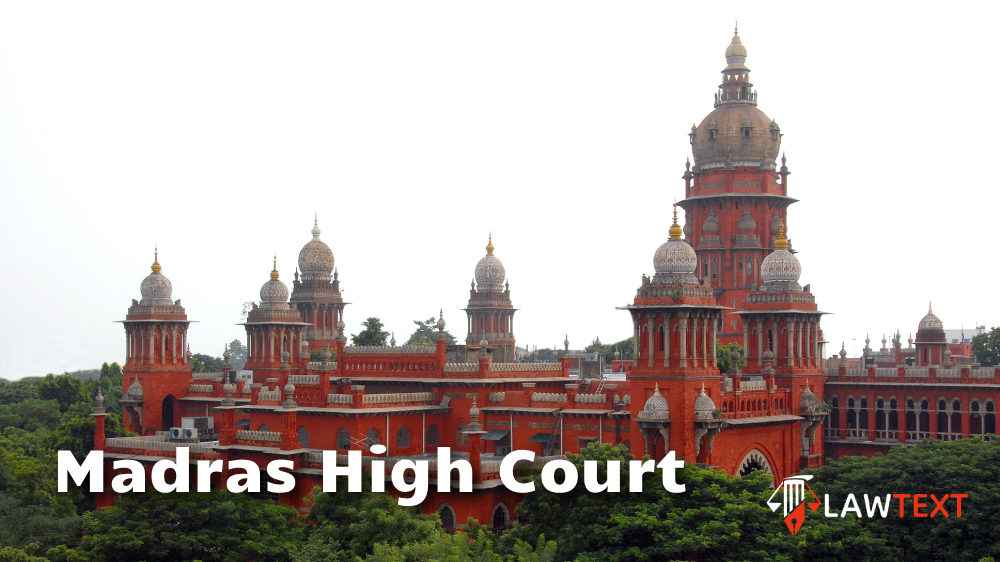
Madras High Court Acquits Accused in POCSO Case Due to Inconsistent Dying Declarations. Conviction under Section 6 of POCSO Act and Section 363 IPC set aside as the dying declarations were contradictory and lacked corroboration.

The appellant, M. Vigneshwaran, was convicted by the Special Court under POCSO Act for penetrative sexual assault and kidnapping of a 17-year-old girl...

© Image Copyrights Juris Services & Technology

Bombay High Court Upholds Conviction for Murder Based on Dying Declarations — Dying Declarations Found Credible and Consistent, Conviction Under Section 302 IPC Sustained.

The appellant, Rajendra Madhukar Kadam, was convicted by the 2nd Ad-Hoc Sessions Judge, Pune in Sessions Case No.467 of 2004 for the murder of his wif...