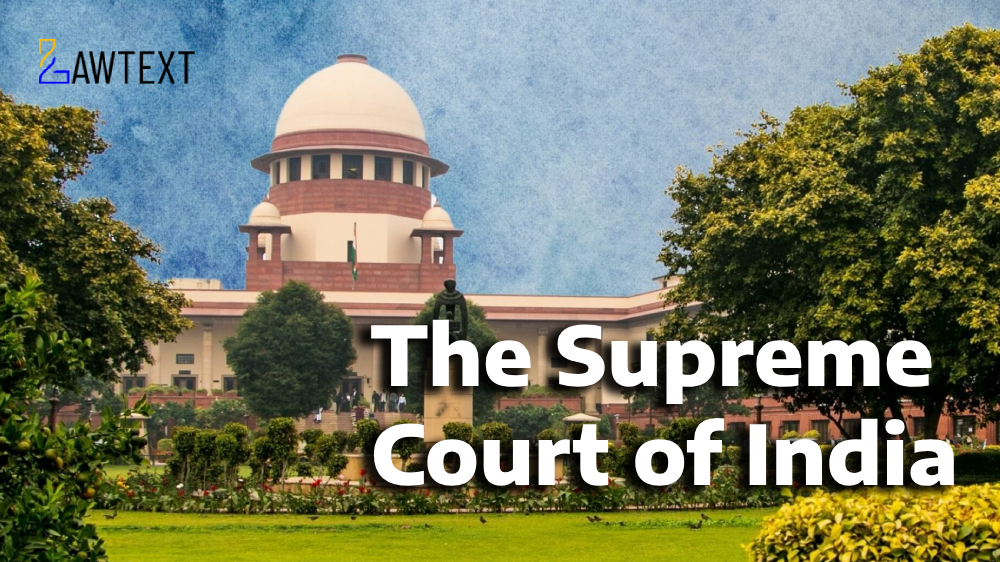
Supreme Court Dismisses Appeal of Police Officer in Criminal Case — No Sanction Required for Prosecution. Citing provisions of the Code of Criminal Procedure and the Mysore Police Act, the court ruled that the Inspector-General could dismiss a Sub-Inspector, thus no State sanction was necessary for prosecution.

  • 0
Judgement Image
Font size:
Print

Case Note & Summary

The case involved an appeal by a Sub-Inspector of Police against the rejection of a reference for quashing his commitment to trial for alleged offences under the Indian Penal Code. The appellant was accused of firing his revolver during an incident where he was attempting to arrest an individual, Thimma, amidst a crowd that allegedly attacked him. The Sessions Judge had referred the case, suggesting that the prosecution required sanction from the State Government under the Code of Criminal Procedure. The High Court rejected this reference, leading to the appeal. The appellant contended that he could only be dismissed by the State Government and thus required sanction for prosecution. The court analyzed the provisions of the Mysore Police Act and the Code of Criminal Procedure, concluding that the Inspector-General had the authority to dismiss the Sub-Inspector, negating the need for State sanction. The court further clarified that the necessity for sanction could only be considered based on the evidence presented, and the mere allegations by the accused were insufficient to establish the need for sanction. The court ultimately dismissed the appeal, affirming the High Court's decision that the prosecution could proceed without State sanction.

Headnote

A) Criminal Procedure - Sanction for Prosecution - Necessity of Sanction - Code of Criminal Procedure, 1898, Sections 132, 197 - The court held that the Inspector-General of Police could dismiss a Sub-Inspector, thus no sanction from the State Government was necessary for prosecution even if the offences were committed while acting in discharge of official duty. The court emphasized that the jurisdiction to proceed with the complaint is based on the allegations made in the complaint, not on the accused's claims (Paras 1-10).

Subscribe to unlock Headnote Subscribe Now

Issue of Consideration

Whether the prosecution of the appellant required sanction from the State Government under the Code of Criminal Procedure.

Subscribe to unlock Issue of Consideration Subscribe Now

Final Decision

The Supreme Court dismissed the appeal, affirming the High Court's decision that no sanction was necessary for the prosecution of the appellant.

Law Points

  • sanction for prosecution
  • police officer duties
  • unlawful assembly
  • Code of Criminal Procedure
  • Mysore Police Act
Subscribe to unlock Law Points Subscribe Now

Case Details

Criminal Appeal No. 172 of 1962

1964-05-08

K. Subba Raghubar Dayal, J. R. Mudholkar

R. Gopakrishnan, R. L. Iyengar, P. D. Menon

Nagraj

State of Mysore

Subscribe to unlock Case Details (Citation, Judge, Date & more) Subscribe Now

Nature of Litigation

Criminal appeal regarding the prosecution of a police officer.

Remedy Sought

The appellant sought to quash the commitment order for trial.

Filing Reason

The appellant was accused of offences committed during the discharge of his duties.

Previous Decisions

The Sessions Judge recommended quashing the commitment order, which was rejected by the High Court.

Issues

Whether the prosecution required sanction from the State Government Whether the appellant's actions were in discharge of official duty

Submissions/Arguments

The appellant argued that he could only be dismissed by the State Government, necessitating sanction for prosecution. The prosecution contended that the Inspector-General had the authority to dismiss the appellant, thus no sanction was required.

Ratio Decidendi

The court held that the Inspector-General of Police could dismiss a Sub-Inspector, thus no sanction from the State Government was necessary for prosecution even if the offences were committed while acting in discharge of official duty.

Judgment Excerpts

The court held that the Inspector-General of Police could dismiss a Sub-Inspector, thus no sanction from the State Government was necessary for prosecution. The jurisdiction of the court to proceed with the complaint emanates from the allegations made in the complaint and not from what is alleged by the accused.

Procedural History

The Sessions Judge made a reference for quashing the commitment order, which was rejected by the High Court, leading to the appeal.

Acts & Sections

  • Code of Criminal Procedure, 1898: 132, 197
  • Mysore Police Act, 1908: 4(c), 8, 26(1), 26(3)
Subscribe to unlock full Legal Analysis Subscribe Now
Related Judgement
Supreme Court Supreme Court Allows Appeal in Taxation Matter — Remits Issue to Assessing Officer for Determination. Citing the need for proper adjudication, the court set aside the High Court's judgment regarding the classification of blankets under the Punjab V...
Related Judgement
Supreme Court Supreme Court Upholds Staff Selection Commission's Recruitment Process in Public Employment Case. Recruitment Notification Terms on Domicile Certificates and Post Preference Are Binding, with OBC Certificates Required to Be in Prescribed Format.