
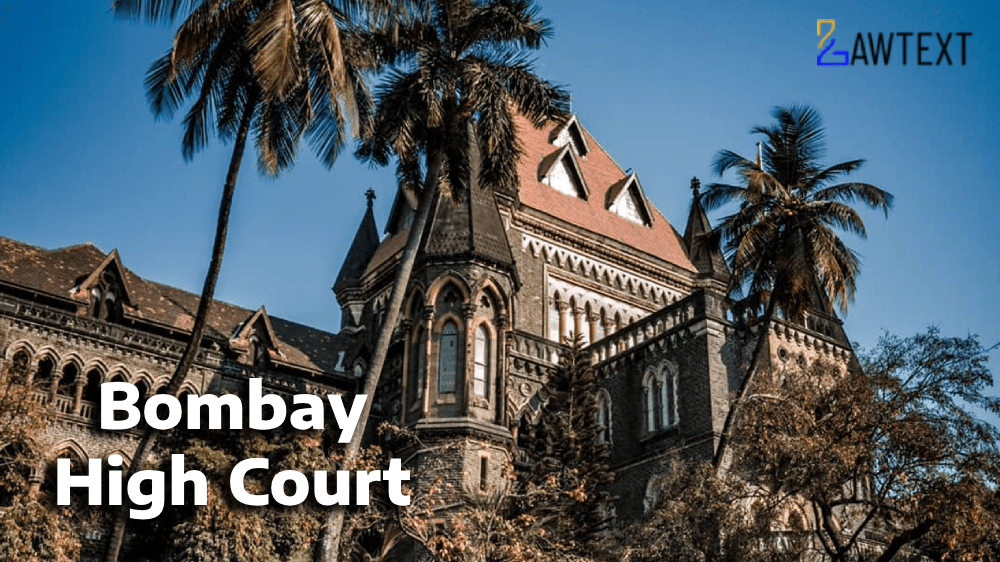
Bombay High Court Dismisses Writ Petition Challenging Suspension of Resolution Professional for Lack of Due Diligence in CIRP. Disciplinary action by IBBI under Sections 30(2)(b), (e) and 208(2)(a), (e) of the Insolvency and Bankruptcy Code, 2016 upheld as proportionate.

High Court: Bombay High Court In Favour of Prosecution
  • 872
Judgement Image
Font size:
Print

Case Note & Summary

The petitioner, Vijendra Kumar Jain, was appointed as Resolution Professional (RP) for M/s. Transparent Energy System Pvt. Ltd. (Corporate Debtor) by the National Company Law Tribunal (NCLT) on 21st February 2020. The Insolvency and Bankruptcy Board of India (IBBI) appointed an Investigating Authority (IA) to investigate the matter. After receiving the investigation report, IBBI issued a show cause notice on 11th July 2023 alleging two grounds: lack of due diligence in verifying the Resolution Plan and non-intimation of the claim of Kanoria Chemicals & Industries Limited (KCIL) despite being aware of its partial admission. The petitioner replied to the show cause notice on 24th July 2023 denying the allegations. A virtual hearing was held on 31st January 2024, and thereafter the Disciplinary Committee of IBBI, comprising two Whole Time Members, passed an order on 12th August 2024 suspending the petitioner's registration as RP for one year, effective after thirty days. Aggrieved, the petitioner filed a writ petition under Article 226 of the Constitution of India challenging the suspension order. The petitioner argued that the suspension was disproportionate and without legal basis, relying on the NCLAT order dated 11th April 2023 which only reprimanded him for lack of due diligence. He also cited the decision in Ranjit Thakur v. Union of India to argue that the punishment was harsh. The IBBI supported the order, contending that the petitioner had failed to perform his duties diligently and that the principles of natural justice were followed. The court, after hearing the parties, held that the disciplinary committee had followed due process and the punishment of one-year suspension was not disproportionate. The court noted that the petitioner had failed to exercise due diligence in verifying the resolution plan and did not intimate the claim of KCIL. The court also observed that in exercise of writ jurisdiction, it does not sit in appeal over disciplinary orders unless they are perverse or violative of natural justice. Accordingly, the writ petition was dismissed.

Headnote

A) Insolvency and Bankruptcy Code - Disciplinary Proceedings - Proportionality of Punishment - Sections 30(2)(b), (e), 208(2)(a), (e) of the Insolvency and Bankruptcy Code, 2016 - The court examined whether the suspension of the petitioner's registration as Resolution Professional for one year was disproportionate to his conduct. The petitioner had failed to exercise due diligence in verifying the resolution plan and did not intimate the claim of an operational creditor despite being aware. The court held that the punishment was not disproportionate and the disciplinary committee had followed due process. (Paras 1-10)

B) Constitutional Law - Judicial Review - Scope under Article 226 - The court considered the extent of interference with disciplinary orders passed by statutory bodies. It held that in exercise of writ jurisdiction, the court does not sit in appeal and will not re-appreciate evidence unless the order is perverse or violative of natural justice. (Paras 5-6)

C) Insolvency and Bankruptcy Code - Duties of Resolution Professional - Due Diligence - Sections 30(2)(b), (e) of the Insolvency and Bankruptcy Code, 2016 - The court noted that the petitioner as RP failed to raise objections to zero provisioning of a claim despite admitting the full claim amount, and failed to respond to queries of the operational creditor. This constituted lack of due diligence. (Paras 2, 6)

Subscribe to unlock Headnote Subscribe Now

Issue of Consideration

Whether the order of the Disciplinary Committee of IBBI suspending the petitioner's registration as Resolution Professional for a period of one year was disproportionate and without legal basis.

Subscribe to unlock Issue of Consideration Subscribe Now

Final Decision

The Bombay High Court dismissed the writ petition, upholding the order of the Disciplinary Committee of IBBI suspending the petitioner's registration as Resolution Professional for a period of one year.

Law Points

  • Proportionality of disciplinary action
  • Scope of judicial review under Article 226
  • Duties of Resolution Professional under IBC
  • Due diligence in verification of resolution plan
  • Non-intimation of claims
Subscribe to unlock Law Points Subscribe Now

Case Details

2024 LawText (BOM) (10) 2516

Writ Petition No.12320 of 2024

2024-10-16

A.S. Chandurkar, Rajesh S. Patil

2024:BHC-AS:41058-DB

Mr. Gaurav Joshi, Senior Advocate with Mr. Chaitanya Nikte, Ms. Esha Malik and Mr. Swapnil Sangle for Petitioner; Mr. Pankaj Vijayan with Ms. Sushmita Chauhan for Respondent No.1-IBBI; Mr. Vinit Jain with Mr. Ashutosh Mishra for Respondent No.2-UOI

Vijendra Kumar Jain

The Insolvency & Bankruptcy Board of India & Anr.

Subscribe to unlock Case Details (Citation, Judge, Date & more) Subscribe Now

Nature of Litigation

Writ petition challenging the order of the Disciplinary Committee of IBBI suspending the petitioner's registration as Resolution Professional for one year.

Remedy Sought

The petitioner sought setting aside of the suspension order dated 12th August 2024 passed by the Disciplinary Committee of IBBI.

Filing Reason

The petitioner was aggrieved by the suspension of his registration as Resolution Professional for one year on grounds of lack of due diligence and non-intimation of a claim.

Previous Decisions

The NCLAT had reprimanded the petitioner in its order dated 11th April 2023 for lack of due diligence. The IBBI had issued a show cause notice on 11th July 2023, and after investigation and hearing, the Disciplinary Committee passed the suspension order on 12th August 2024.

Issues

Whether the order of suspension of the petitioner's registration as Resolution Professional for one year was disproportionate to his conduct? Whether the Disciplinary Committee of IBBI followed due process and principles of natural justice? What is the scope of judicial review under Article 226 in disciplinary matters?

Submissions/Arguments

Petitioner argued that the suspension was disproportionate and without legal basis, relying on NCLAT order and Ranjit Thakur case. IBBI argued that the petitioner failed to perform his duties diligently, due process was followed, and the punishment was proportionate.

Ratio Decidendi

The court held that the disciplinary committee had followed due process and the punishment of one-year suspension was not disproportionate to the petitioner's conduct of lack of due diligence and non-intimation of a claim. In exercise of writ jurisdiction under Article 226, the court does not sit in appeal over disciplinary orders unless they are perverse or violative of natural justice.

Judgment Excerpts

The petitioner as Resolution Professional showed lack of due diligence in verification of the Resolution Plan inasmuch as despite verifying the claim of the Operational Creditor, KCIL and thereafter admitting the full claim amount, the petitioner as RP did not raise any objection to zero provisioning of KCIL. The court held that the punishment of suspension for a period of one year was not disproportionate to the conduct of the petitioner as RP.

Procedural History

The NCLT appointed the petitioner as RP on 21st February 2020. IBBI appointed an IA to investigate. After investigation, IBBI issued a show cause notice on 11th July 2023. The petitioner replied on 24th July 2023. Virtual hearing on 31st January 2024. Disciplinary Committee passed suspension order on 12th August 2024. Petitioner filed writ petition on an unspecified date.

Acts & Sections

  • Insolvency and Bankruptcy Code, 2016: 30(2)(b), 30(2)(e), 208(2)(a), 208(2)(e), 218
  • Constitution of India: Article 226
Subscribe to unlock full Legal Analysis Subscribe Now
Related Judgement
Supreme Court Supreme Court Dismisses Appeal of Ferry Toll Lessee Convicted Under Bengal Ferries Act for Unauthorised Toll Collection. Section 24 of Bengal Ferries Act, 1885 Applied to Demands Made on Pretext of Toll from Persons Not Using Ferry and in Excess of L...
Related Judgement
Supreme Court Supreme Court Dismisses Appeal; Magistrate Under Regulation VI of 1925 Not an Inferior Criminal Court; Recovery Proceedings Under Section 234 Are Civil in Nature. Categorization of Proceedings as Civil Rather Than Criminal Precludes Revisional Jurisd...





