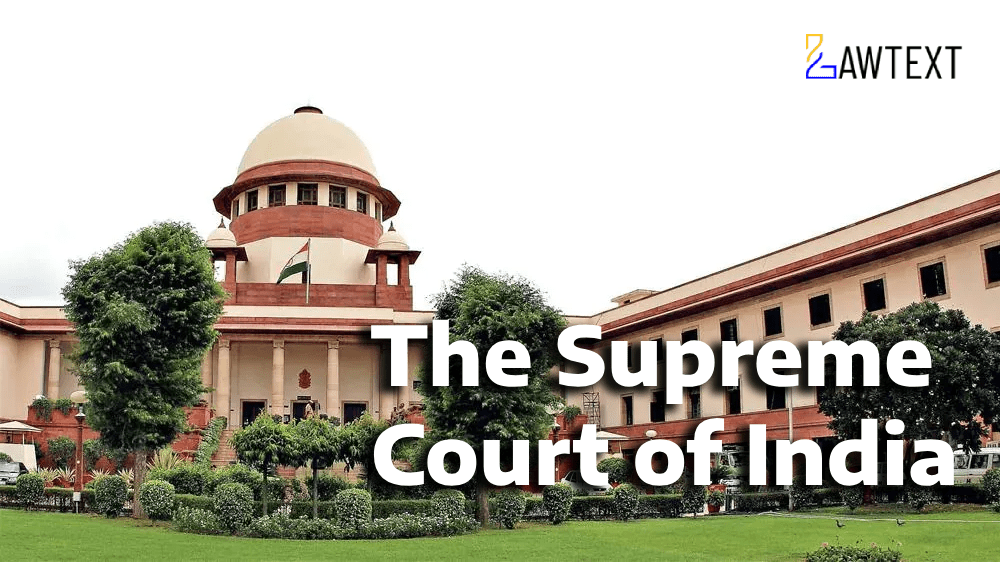
Supreme Court Upholds Assessee's Claim for Deductions Under Income-tax Act — Payments for Business Financing Considered Allowable.

  • 1
Judgement Image
Font size:
Print

Case Note & Summary

The case involved an appeal by the assessee against the judgments of the Patna High Court regarding deductions claimed under the Indian Income-tax Act, 1922. The appellant, who was engaged in coal mining, entered into a financing agreement with a charitable trust due to a lack of funds. The trust advanced significant sums, and the appellant was required to pay interest and a share of profits. The Income-tax Officer disallowed the deductions for the profit share, claiming it was not genuine and not incurred for business purposes. The Appellate Assistant Commissioner and the Income-tax Appellate Tribunal upheld this disallowance, leading to the High Court's negative ruling on the deductibility of the amounts. The Supreme Court analyzed the nature of the payments, emphasizing that they were made for commercial expediency and were necessary for the appellant's business operations. The court found that the payments were indeed wholly and exclusively laid out for business purposes, thus allowing the deductions. The Supreme Court set aside the High Court's judgments and allowed the appeals, ordering costs in favor of the appellant.

Headnote

A) Income Tax - Allowable Deductions - Payments made for business financing - Indian Income-tax Act, 1922, sections 10(2)(iii), 10(2)(xv) - The court held that payments made by the assessee to the trust were incurred for the purpose of carrying on his business and thus were deductible as they were wholly and exclusively laid out for business purposes. The agreement's tenor and the circumstances indicated that the payments were commercially expedient, justifying the deductions claimed by the assessee. Held that the High Court erred in its assessment (Paras 1-2).

Subscribe to unlock Headnote Subscribe Now

Issue of Consideration

Whether the amounts paid by the assessee to the trust were allowable deductions under the Indian Income-tax Act, 1922.

Subscribe to unlock Issue of Consideration Subscribe Now

Final Decision

The Supreme Court allowed the appeals, set aside the judgments of the High Court, and held that the payments made by the appellant to the trust were allowable deductions under the Indian Income-tax Act, 1922.

Law Points

  • deductions
  • revenue expenditure
  • commercial expediency
  • Income-tax Act
  • 1922
  • sections 10(2)(iii)
  • 10(2)(xv)
Subscribe to unlock Law Points Subscribe Now

Case Details

Civil Appeals Nos. 448 and 449 of 1959

1961-01-05

J. L. Kapur, M. Hidayatullah, J.C. Shah

A. V. Viswanatha Sastri, Naunit Lal, A. N. Kripal, D. Gupta

Dharamvir Dhir

The Commissioner of Income-tax, Bihar & Orissa

Subscribe to unlock Case Details (Citation, Judge, Date & more) Subscribe Now

Nature of Litigation

Income tax deduction claims

Remedy Sought

Allowable deductions for payments made to the trust

Filing Reason

Disallowance of deductions by the Income-tax Officer

Previous Decisions

High Court ruled against the assessee

Issues

Whether the payments made to the trust were allowable deductions under the Income-tax Act Whether the payments were incurred wholly and exclusively for the purpose of the business

Submissions/Arguments

The appellant argued that the payments were necessary for financing the business and thus deductible. The respondent contended that the payments were not genuine and not incurred for business purposes.

Ratio Decidendi

Payments made for the purpose of trade are deductible if they are incurred for the benefit of the business, regardless of whether they benefit a third party.

Judgment Excerpts

Held, that the assessee was entitled to the deductions claimed. In a commercial sense the payments were an expenditure wholly and exclusively laid out for the purpose of the business.

Procedural History

The appellant filed appeals against the judgments of the Patna High Court which had ruled against the deductibility of certain payments made to a trust for financing business operations.

Acts & Sections

  • Indian Income-tax Act, 1922: 10(2)(iii), 10(2)(xv)
Subscribe to unlock full Legal Analysis Subscribe Now
Related Judgement
Supreme Court Supreme Court Allows Reader Appointment in Public Administration Due to Interchangeability of Subjects. Court Reinstates Appointment Based on Expert Opinions and UGC Guidelines.
Related Judgement
Supreme Court Supreme Court Declares Arrest Illegal for Violation of Article 22(1) and Section 50 CrPC — Failure to Communicate Grounds of Arrest. Appellant's arrest was set aside as the police failed to produce contemporaneous evidence of informing the appellan...