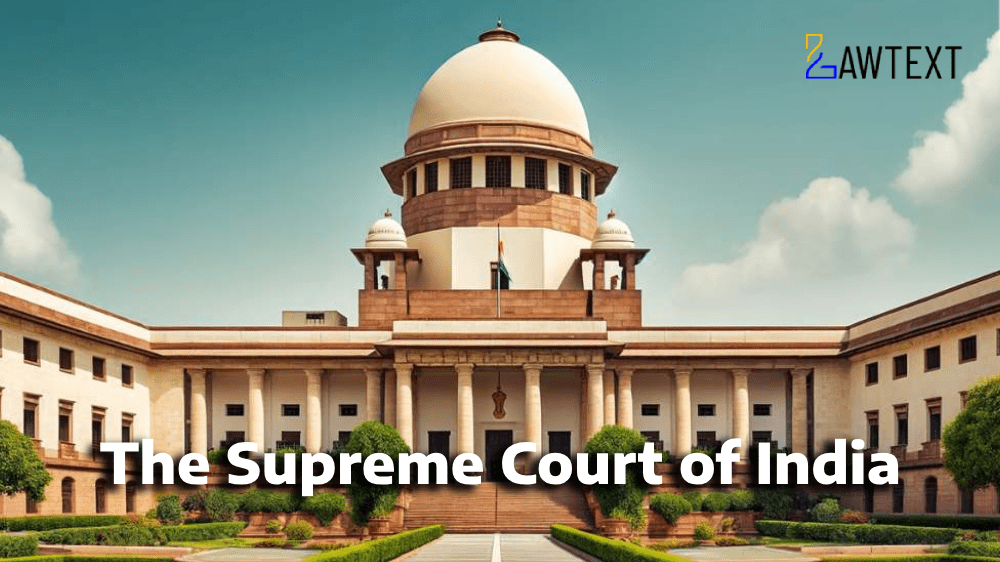
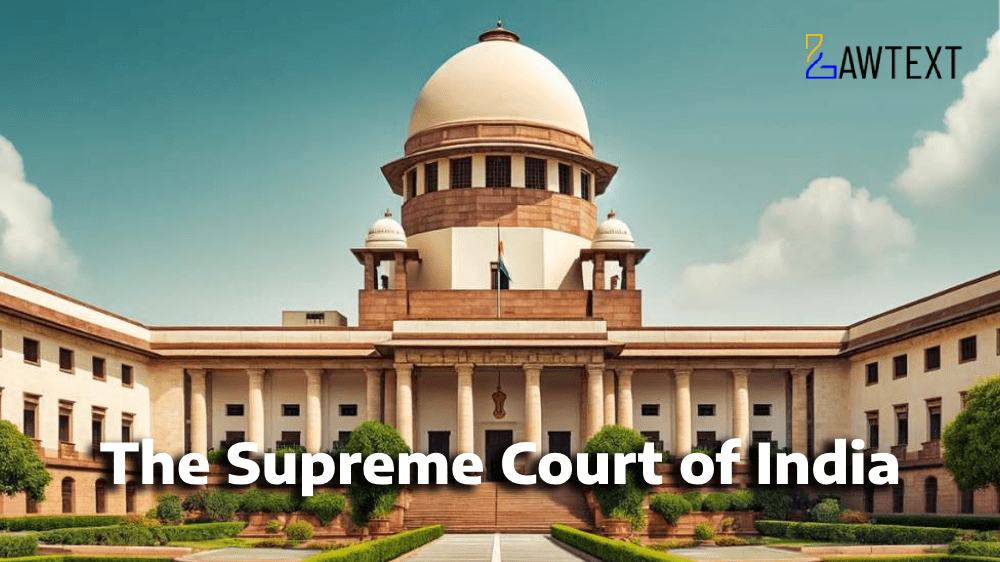
Supreme Court Upholds Constitutionality of Madras Prohibition Act, 1937 — Legislative Competence Affirmed. The Act is valid as it pertains to intoxicating liquors, falling within the exclusive competence of the Provincial Legislature under Entry 31 of List II.

  • 3
Judgement Image
Font size:
Print

Case Note & Summary

The case involved the appellants charged under the Madras Prohibition Act, 1937, who contended that certain sections of the Act were unconstitutional. They argued that sections 4(2) and 28 to 32 were void under Section 107(1) of the Government of India Act, 1935, claiming they were repugnant to the Indian Evidence Act, 1872, and the Code of Criminal Procedure, 1898, as well as Article 14 of the Constitution. The Presidency Magistrate referred these questions to the High Court, which upheld the validity of the sections. The appellants then appealed to the Supreme Court under Article 136. The Supreme Court held that the Madras Prohibition Act was a law concerning intoxicating liquors, falling within the exclusive legislative competence of the Provincial Legislature. The court emphasized that the Act must be viewed as a whole, and the provisions in question were ancillary to the legislative power under Entry 31 of List II of the Government of India Act, 1935. The court also found that the presumptions in Section 4(2) did not violate the equal protection clause, as they were applicable to all individuals under the specified conditions. Consequently, the court dismissed the appeals, affirming the constitutionality of the Act.

Headnote

A) Constitutional Law - Legislative Competency - Validity of the Madras Prohibition Act, 1937 - Government of India Act, 1935, Section 107(1) - The Act is a law relating to intoxicating liquors and is within the exclusive competence of the Provincial Legislature, thus the question of repugnancy does not arise. Held that the Act is valid in its entirety as it pertains to matters assigned to the legislature (Paras 1-2).

B) Constitutional Law - Equal Protection - Presumptions under Section 4(2) - Constitution of India, Article 14 - The presumptions do not offend the equality before law as they apply uniformly to all persons against whom the facts are established. The court found a reasonable relation between the presumption and the offences under Section 4(1). Held that the provisions are constitutional (Paras 3-4).

Subscribe to unlock Headnote Subscribe Now

Issue of Consideration

Whether sections 4(2), 28 to 32 of the Madras Prohibition Act, 1937 are unconstitutional and void.

Subscribe to unlock Issue of Consideration Subscribe Now

Final Decision

The Supreme Court dismissed the appeals, affirming the constitutionality of the Madras Prohibition Act, 1937, and held that the provisions in question were valid and did not violate the Constitution.

Law Points

  • Constitutional validity
  • Legislative competency
  • Pith and substance
  • Presumptions in law
  • Equal protection of laws
Subscribe to unlock Law Points Subscribe Now

Case Details

Criminal Appeals Nos. 20 to 23 of 1955

1956-11-28

S. R. Das C.J., Bhagwati, Venkatarama Ayyar, B. P. Sinha, S. K. Das

N. C. Chatterji, S. Venkatakrishnan, S. Subrahmanian, V. K. T. Chari, Ganapathy Iyer, T. M. Sen

A. S. Krishna, R. Venkataraman, V. S. Krishnaswamy, Lakshmanan Chettiar

State of Madras

Subscribe to unlock Case Details (Citation, Judge, Date & more) Subscribe Now

Nature of Litigation

Criminal appeals regarding the constitutionality of the Madras Prohibition Act, 1937.

Remedy Sought

The appellants sought to declare sections 4(2) and 28 to 32 of the Act void.

Filing Reason

The appellants contended that the sections were repugnant to existing laws and the Constitution.

Previous Decisions

The High Court upheld the validity of the sections in question.

Issues

Whether sections 4(2), 28 to 32 of the Madras Prohibition Act, 1937 are unconstitutional. Whether the presumptions in Section 4(2) violate Article 14 of the Constitution.

Submissions/Arguments

The appellants argued that the impugned sections were void under Section 107 of the Government of India Act, 1935. The respondents contended that the Act was valid and within the legislative competence of the Provincial Legislature.

Ratio Decidendi

The Madras Prohibition Act, 1937 is a law relating to intoxicating liquors, valid under the exclusive competence of the Provincial Legislature, and the presumptions in Section 4(2) do not violate the equal protection clause.

Judgment Excerpts

Held that the Madras Prohibition Act, 1937, is both in form and in substance a law relating to intoxicating liquors. The presumptions in s. 4(2) do not offend the requirements as to equality before law or the equal protection of laws under Art. 14.

Procedural History

The appellants were charged under the Madras Prohibition Act, 1937, raised constitutional objections, and the High Court upheld the validity of the sections, leading to appeals in the Supreme Court.

Acts & Sections

  • Madras Prohibition Act, 1937: 4(1), 4(2), 28, 29, 30, 31, 32
  • Government of India Act, 1935: 107(1)
Subscribe to unlock full Legal Analysis Subscribe Now
Related Judgement
Supreme Court Supreme Court Sets Aside High Court Order in Lokayukta Case, Upholds Statutory Power to Direct Preliminary Inquiry by State Agency. The Court Held That Section 20(1) of the Odisha Lokayukta Act, 2014 Permits the Lokayukta to Order a Preliminary Inqui...
Related Judgement
Supreme Court Supreme Court Dismisses Appeal by Appropriate Authority in PC&PNDT Act Suspension Case — Upholds High Court's Setting Aside of Suspension Order. The power under Section 20(3) of PC&PNDT Act for suspension in public interest requires recording of re...