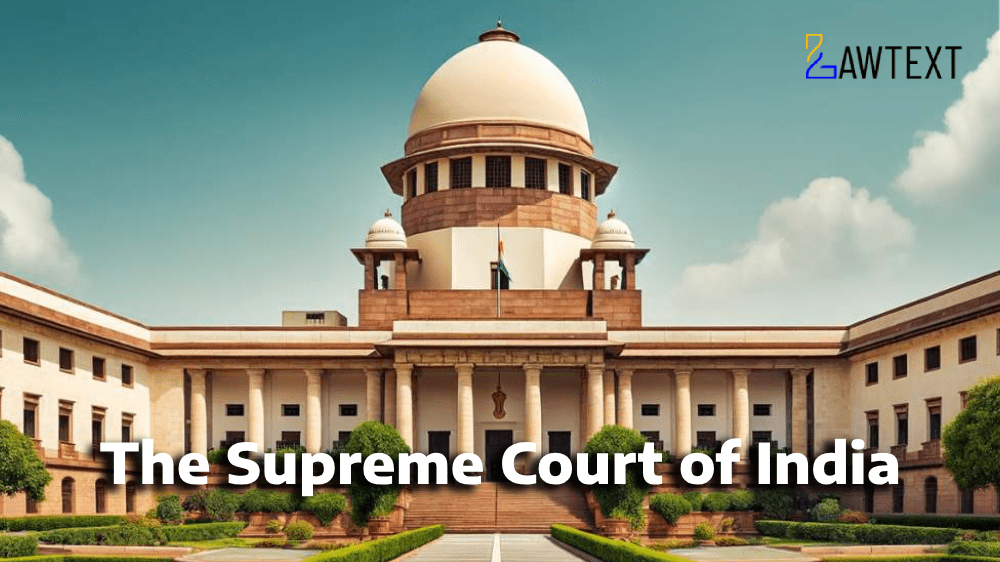
Supreme Court Upholds Owner's Rights in Cinematograph Act Case — Unreasonable Restrictions Declared Void. The conditions imposed on the cinema theatre licensee were found to be unreasonable and void as they infringed the fundamental right to carry on business under Article 19(1)(g) of the Constitution.

  • 4
Judgement Image
Font size:
Print

Case Note & Summary

The case involved the owner of a cinema theatre in Tanjore District who challenged certain conditions imposed on his license by the District Magistrate. The appellant held a license from September 5, 1950, to September 4, 1951, but objected to conditions that required him to exhibit approved films of unspecified length and time. He argued that these conditions were ultra vires and infringed his rights under Articles 19(1)(a) and 19(1)(g) of the Constitution. The High Court rejected his contentions, deeming the conditions reasonable and in the public interest, but granted leave to appeal to the Supreme Court. The appellant contended that the conditions were beyond the competence of the authorities and did not constitute reasonable restrictions. The Supreme Court focused on the second ground, determining that the conditions imposed were unreasonable as they allowed the government unregulated discretion, potentially leading to the total extinction of the appellant's business. The court declared the conditions void and ordered that the appellant be awarded costs. The appeal was allowed, affirming the fundamental rights of the appellant under Article 19(1)(g).

Headnote

A) Constitutional Law - Fundamental Rights - Reasonable Restrictions - Article 19(1)(g) of the Constitution of India - Conditions imposed on cinema theatre licensee were found to be unreasonable and void as they infringed the fundamental right to carry on business. The court held that the conditions allowed unregulated discretion to the licensing authority, leading to potential loss of business, thus violating the appellant's rights (Paras 1-10).

Subscribe to unlock Headnote Subscribe Now

Issue of Consideration

Whether the conditions imposed on the cinema theatre licensee were reasonable restrictions under Article 19(1)(g) of the Constitution.

Subscribe to unlock Issue of Consideration Subscribe Now

Final Decision

The Supreme Court allowed the appeal, declaring the conditions imposed on the cinema theatre licensee as void and infringing his fundamental rights under Article 19(1)(g). The appellant was awarded costs.

Law Points

  • fundamental rights
  • reasonable restrictions
  • licensing authority
  • Cinematograph Act
  • judicial review
Subscribe to unlock Law Points Subscribe Now

Case Details

Civil Appeal No. 192 of 1952

1954-10-01

Ghulam Hasan J.

C. K. Daphtary, Solicitor-General for India, R. Ganapathy Iyer, P. G. Gokhale

R. M. Seshadri

District Magistrate, Tanjore

Subscribe to unlock Case Details (Citation, Judge, Date & more) Subscribe Now

Nature of Litigation

Challenge to the conditions imposed on a cinema theatre license.

Remedy Sought

The appellant sought to delete the conditions from his license.

Filing Reason

The conditions were claimed to be ultra vires and infringing fundamental rights.

Previous Decisions

The High Court held the conditions reasonable and in the public interest.

Issues

Whether the conditions imposed were reasonable restrictions under Article 19(1)(g) of the Constitution.

Submissions/Arguments

The appellant argued that the conditions were beyond the competence of the authorities. The appellant contended that the conditions did not constitute reasonable restrictions.

Ratio Decidendi

The conditions imposed on the cinema theatre licensee were found to be unreasonable as they allowed unregulated discretion to the licensing authority, infringing the fundamental right to carry on business.

Judgment Excerpts

The appellant is the owner of a permanent cinema theatre called Sri Brahannayaki in Tiruthuraipundi, Tanjore District. Condition 4(a) compels a licensee to exhibit at each performance one or more approved films of such length and for such length of time as the Provincial Government or Central Government may direct.

Procedural History

The appellant filed a petition in the High Court challenging the conditions imposed on his cinema license, which was rejected. The High Court granted leave to appeal to the Supreme Court.

Acts & Sections

  • Cinematograph Act, 1918: Section 8
  • Constitution of India: Article 19(1)(g)
Subscribe to unlock full Legal Analysis Subscribe Now
Related Judgement
High Court High Court of Judicature at Bombay Dismisses Builder’s Writ Petition Challenging NCDRC’s Rejection of Condonation of 1132-Day Delay; No Perversity Found. Delay in Appeal Against State Commission Order Not Sufficiently Explained Under Section 23 o...
Related Judgement
Supreme Court Supreme Court Dismisses Special Leave Petition Against Cancellation of Police Constable Appointment. Screening Committee's Discretion Upheld in Assessing Suitability Despite Acquittal on Benefit of Doubt Under Section 379 Ranbir Penal Code and Sectio...