
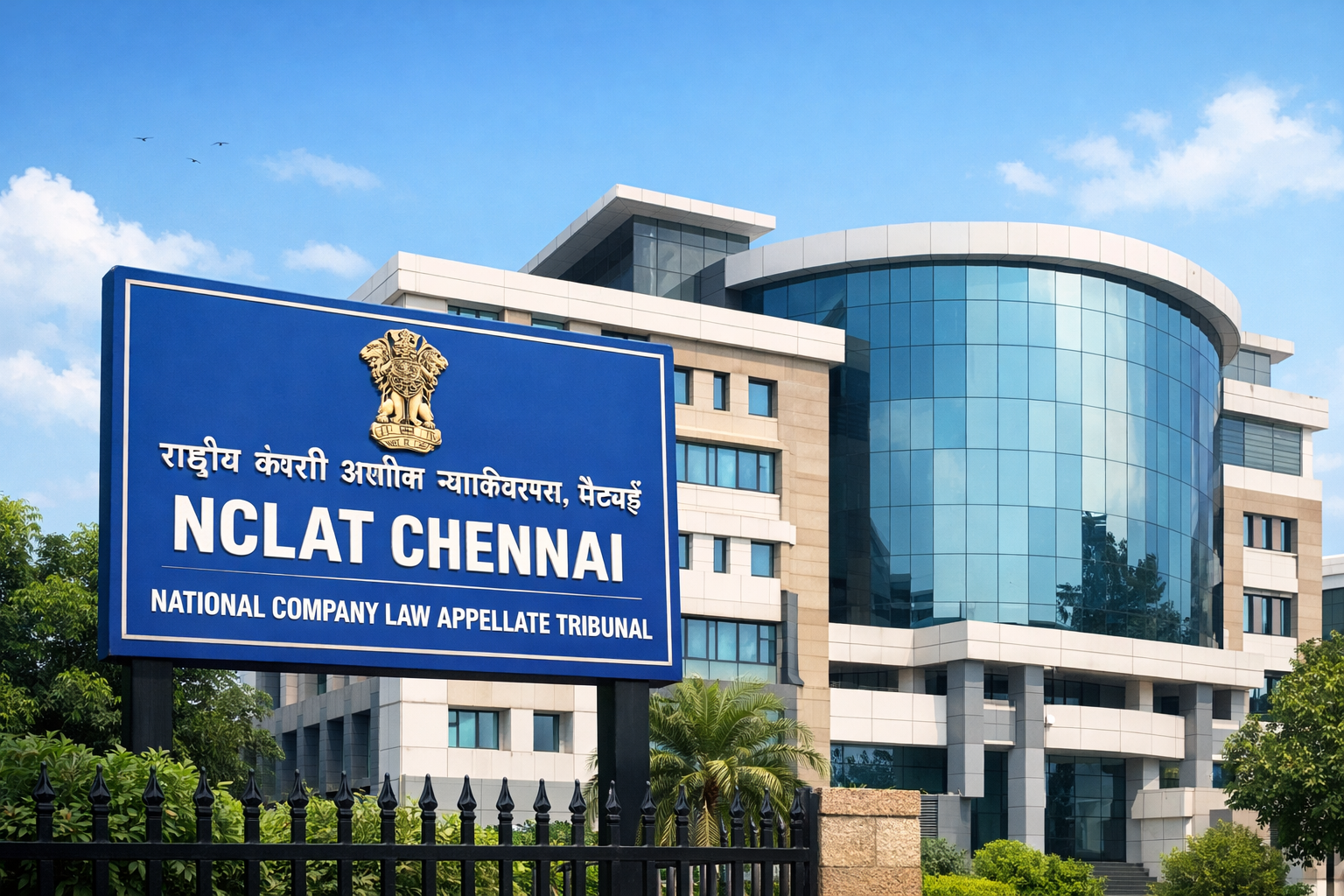
National Company Law Appellate Tribunal Dismisses Appeal by Housing Board Against Financial Creditor's Petition. The Tribunal ruled that the Housing Board lacked locus standi to intervene in the Section 7 proceedings, emphasizing that the dispute was between the financial creditor and the corporate debtor.

Tribunals: National Company Law Appellate Tribunal Bench: CHENNAI
  • 1
Judgement Image
Font size:
Print

Case Note & Summary

The appeal was filed by the Telangana Housing Board against the dismissal of its application to intervene in a Section 7 petition initiated by Koncept Nirman Private Limited against Indu Eastern Province Projects Pvt. Ltd. The background involved an agreement from 2006 between the Andhra Pradesh Housing Board and the corporate debtor for land development, which led to disputes and arbitration. The Arbitration Tribunal ruled that the land ownership rested with the Housing Board, now known as the Telangana Housing Board. The Housing Board expressed concern that its rights might be jeopardized by the ongoing Section 7 proceedings. The Adjudicating Authority noted that the Housing Board was not a party to the relevant Construction and Marketing Agreement and that the corporate debtor had no authority to assign rights without the Housing Board's consent. The Tribunal concluded that the Housing Board did not have the standing to intervene at this stage, as the primary issue was the existence of debt and default between the financial creditor and the corporate debtor. The court emphasized that the Housing Board could raise its concerns later if the corporate debtor entered Corporate Insolvency Resolution Process (CIRP). The appeal was ultimately dismissed without costs.

Headnote

A) Insolvency Law - Locus Standi - Intervention in Section 7 Petition - Full Insolvency and Bankruptcy Code, 2016, Section 7 - The appellant, Telangana Housing Board, sought to intervene in a Section 7 petition, claiming rights over the project land. The Tribunal held that the appellant lacked locus standi as the dispute was primarily between the financial creditor and the corporate debtor, and the appellant's concerns could be addressed later if necessary. Held that the appeal was dismissed (Paras 6-10).

Subscribe to unlock Headnote Subscribe Now

Issue of Consideration

Whether the Telangana Housing Board had the locus standi to intervene in the Section 7 petition filed by the financial creditor against the corporate debtor.

Subscribe to unlock Issue of Consideration Subscribe Now

Final Decision

The appeal was dismissed, with the Tribunal holding that the appellant lacked locus standi to intervene in the Section 7 petition. The court noted that the appellant could raise its concerns later if the corporate debtor entered CIRP.

Law Points

  • Intervention in insolvency proceedings
  • locus standi
  • Section 7 petition
  • Arbitration Tribunal findings
  • third party rights
Subscribe to unlock Law Points Subscribe Now

Case Details

2026 LawText (NCLAT) (08) 116

Comp App (AT) (CH) (Ins) No. 311 /2026

2026-08-07

Justice N Seshasayee, Jatindranath Swain

Mr. T. Rajanikanth Reddy, Mr. S. Rahul Reddy, Mr. D V A S Ravi Prasad, Mr. Netahan Reddy, Mr. Duvva Pavan Kumar, Ms. Shraddha Gupta, Ms. Nikhita Hari

M/S Telangana Housing Board

KONCEPT NIRMAN PRIVATE LIMITED, INDU EASTERN PROVINCE PROJECTS PVT Ltd

Subscribe to unlock Case Details (Citation, Judge, Date & more) Subscribe Now

Nature of Litigation

Appeal against the dismissal of an application to intervene in insolvency proceedings.

Remedy Sought

Telangana Housing Board sought to intervene in the Section 7 petition.

Filing Reason

Concern over potential jeopardy to its rights in the land due to the ongoing insolvency proceedings.

Previous Decisions

The application to intervene was dismissed by the Adjudicating Authority.

Issues

Whether the Telangana Housing Board had the locus standi to intervene in the Section 7 petition.

Submissions/Arguments

The appellant argued that its rights over the land were at risk due to the ongoing proceedings. The respondent contended that the Tribunal's focus should be solely on the existence of debt and default.

Ratio Decidendi

The Tribunal emphasized that intervention in insolvency proceedings is limited to parties with a direct stake in the matter, and the appellant's concerns could be addressed at a later stage if necessary.

Judgment Excerpts

The appellant herein had preferred an application to intervene in the proceedings of a Section 7 petition. The Tribunal has held that the appellant may not have a locus standi to intervene in a matter where the battle lines are drawn essentially between the financial creditor and the corporate debtor.

Procedural History

The appellant filed an application to intervene in the Section 7 petition, which was dismissed by the Adjudicating Authority. The appellant then appealed against this dismissal.

Acts & Sections

  • Insolvency and Bankruptcy Code, 2016: Section 7
Subscribe to unlock full Legal Analysis Subscribe Now
Related Judgement
Supreme Court Supreme Court Allows State-Owned Self-Financing Engineering Colleges to Depart from Unni Krishnan Scheme. Government-Controlled Technical Institutions Not Covered by Private College Fee Regulation Scheme Under Unni Krishnan, (1993) 1 SCC 645.
Related Judgement
High Court Bombay High Court Sets Aside Ex-Parte Decree in Summary Suit Due to Non-Service of Summons for Judgment on Defendants' Advocate. Service on Defendants directly without prior attempt on advocate held insufficient under Order XXXVII CPC.





