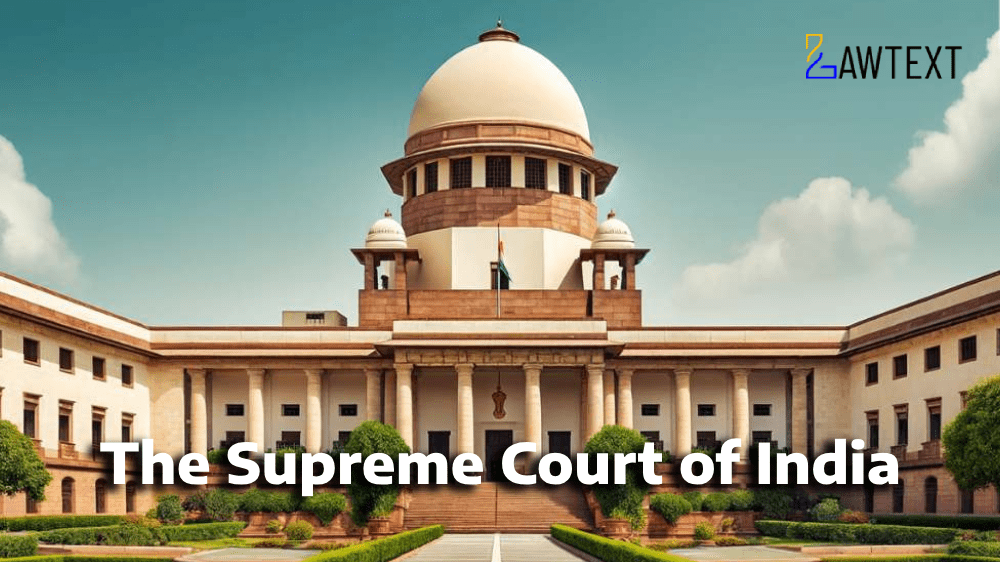
Case Note & Summary
The case involved a civil appeal against an order of the High Court of Orissa, which upheld the trial court's rejection of an amendment application in a property dispute. The appellants, legal heirs of the original plaintiff Rabindranath Sahoo, sought to amend their plaint to include a challenge to a compromise decree from a previous suit that they claimed affected their title to the property in question. The original suit was filed in 2009, seeking declaration of rights and recovery of possession over certain plots of land. The appellants argued that the complexity of the case, involving multiple transactions and parties, justified the need for amendments to clarify their claims. The trial court had rejected the amendment on grounds of delay and the assertion that it would fundamentally alter the nature of the suit. The High Court affirmed this decision, leading to the present appeal. The Supreme Court analyzed the principles governing amendments under Order VI Rule 17 of the CPC, emphasizing the need for due diligence and the relevance of the proposed amendment to the existing controversy. The court found that the appellants had provided a sufficient explanation for the delay in seeking the amendment, as they only discovered the compromise decree after obtaining certified copies of the relevant documents. The court concluded that the amendment did not introduce a new cause of action but rather clarified existing claims related to the property. It allowed the amendment subject to costs, setting aside the orders of the trial court and High Court, and directed the trial court to consider all related issues, including limitation and maintainability, in accordance with law.
Headnote
A) Civil Procedure - Amendment of Pleadings - Permissibility of Amendment - Code of Civil Procedure, 1908, Order VI Rule 17 - The court held that the proposed amendment was necessary for determining the real questions in controversy and did not fundamentally alter the nature of the suit. The original plaintiff's claim was based on a compromise decree affecting the suit property, and the explanation for the delay in seeking amendment was deemed sufficient. Held that the amendment should be allowed subject to costs (Paras 23-24).
Issue of Consideration
Whether the amendment sought by the original plaintiff was permissible under Order VI Rule 17 of the Code of Civil Procedure, 1908.
Final Decision
The Supreme Court allowed the amendment application, set aside the orders of the trial court and High Court, and directed the appellants to pay costs of Rs. 25,000 to the respondents. The court clarified that all related issues, including limitation and maintainability, would be considered by the trial court.
Law Points
- Amendment of pleadings
- due diligence
- limitation
- statutory bar
- real controversy test