
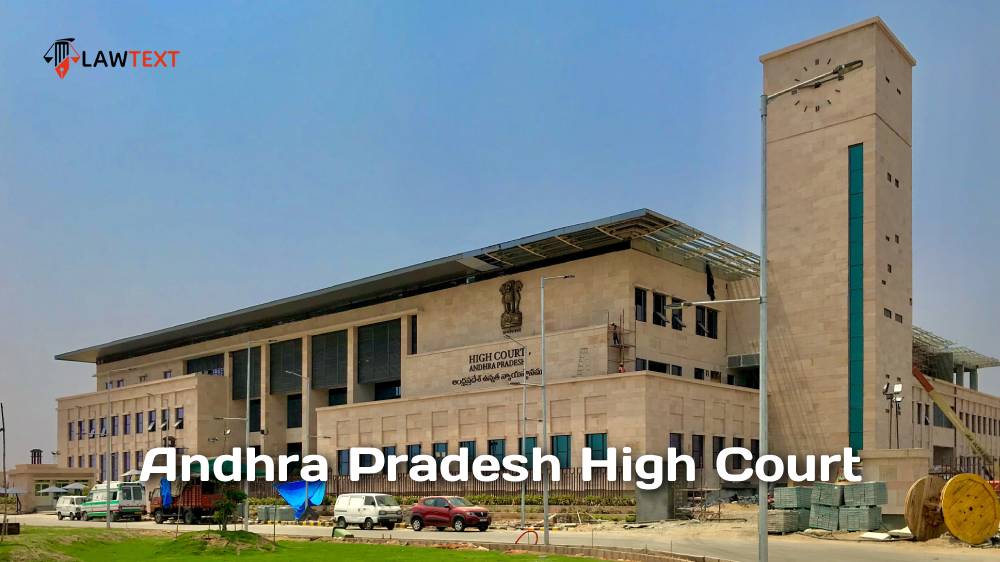
Case Note & Summary
The litigation arose from a civil suit for declaration of passage rights over an X series passage and permanent injunction, filed in 2012 and pending for more than 13 years before the Principal Junior Civil Judge, Addanki. The petitioner, Jasti Satyavati, was the plaintiff, and the respondents were the defendants in O.S. No.133 of 2012. After completion of evidence of both parties and posting of the matter for arguments on 03.12.2024, the plaintiff filed three interlocutory applications: I.A. No.179 of 2025 under Order VII Rule 14(1) and Section 151 CPC to receive a Tahsildar certificate dated 01.04.2020, ROR-Meeseva copy and Adangal copy, and I.A. Nos.177 and 178 of 2025 respectively to reopen the evidence of PW1 and recall PW1 for further examination to mark those documents. The plaintiff contended that DW1 had acquired adjacent property under Ex.B-1 based on a VRO certificate dated 26.05.2011, which was invalid because the VRO was not a competent authority and the vendor had no title; the newly obtained revenue documents were crucial to prove the absence of title and the encroachment of the common passage. The trial court dismissed all three applications by common order dated 23.07.2025, observing that the matter was posted for arguments, the documents were not necessary, and the filing was belated to drag the matter. Aggrieved, the plaintiff filed three civil revision petitions under Article 227 of the Constitution of India before the High Court of Andhra Pradesh at Amaravati. The High Court, after hearing the petitioner's counsel and perusing the record, noted that the suit had been filed in 2012 and was still pending for determination, that the matter was posted for arguments on 03.12.2024 after completion of evidence, and that the plaintiff had been dragging the matter without arguing it on many occasions. The court considered the plaintiff's contentions regarding the invalidity of the VRO certificate and the principle nemo dat quod non habet, and accepted that the VRO was not a competent authority to issue the certificate and that the vendor of DW1 lacked title. However, the High Court held that these legal propositions had already been canvassed and argued by the plaintiff, and the trial court would consider them without the need for additional documents. The High Court found no perversity or malice in the trial court's orders, concluded that the documents were not necessary for determination of the issues, and dismissed the civil revision petitions with no costs. Consequently, miscellaneous applications were closed. The decision affirmed the trial court's discretionary rejection of belated additional evidence and reinforced that supervisory jurisdiction under Article 227 is not meant to substitute the High Court's view for that of the trial court unless the order is perverse or suffers from jurisdictional error.
Headnote
A) Civil Procedure - Production of Additional Documents After Evidence - Order VII Rule 14(1) read with Section 151 CPC - Delay and Necessity - The plaintiff sought to receive a Tahsildar certificate dated 01.04.2020, ROR-Meeseva copy and Adangal after completion of evidence and posting for arguments in a suit pending since 2012; the trial court dismissed the applications as unnecessary and belated; the High Court upheld the dismissal, holding that the plaintiff had already canvassed the invalidity of the VRO certificate and absence of vendor title and that the filing appeared dilatory (Paras 4-13). Held that the orders did not suffer from perversity or malice. B) Constitutional Law - Supervisory Jurisdiction under Article 227 - Scope of Interference - Constitution of India, 1950, Article 227 - The High Court exercised jurisdiction to review the trial court's discretionary orders and held that interference is warranted only if the order is perverse or malicious; the trial court's dismissal was based on relevant considerations of delay and lack of necessity, so no interference was required (Paras 1-14). Held that civil revision petitions were dismissed. C) Property Law - Nemo Dat Quod Non Habet - Validity of Title Derived from Vendor Without Rights - General Principles of Property Law (no specific statute section cited in judgment) - The court accepted the plaintiff's argument that the VRO certificate was invalid and that a vendor cannot transfer better title than he possesses; however, it held that this settled legal proposition did not require additional documentary evidence beyond what was already canvassed, so the trial court rightly declined to receive the proposed documents (Paras 9-12). Held that the claim to mark additional documents was not necessary.
Issue of Consideration
Whether the trial court erred in dismissing applications to receive additional documents, reopen evidence, and recall PW1 after completion of evidence and posting for arguments; whether the proposed documents were necessary for adjudication; whether the High Court should interfere under Article 227 with the trial court's discretionary order.
Final Decision
The civil revision petitions were dismissed with no costs. The High Court upheld the trial court's orders dated 23.07.2025 in I.A.Nos.179, 177 & 178 of 2025 in O.S.No.133 of 2012 as not suffering from perversity or malice; miscellaneous applications closed.
Law Points
- Order VII Rule 14(1) CPC permits filing documents at any stage but subject to court's discretion on necessity and delay
- delay after posting for arguments may indicate dilatory tactics
- additional evidence not required when legal issues already canvassed
- nemo dat quod non habet
- VRO certificate not valid basis for title without competent authority
- supervisory jurisdiction under Article 227 is limited to perversity or malice






