
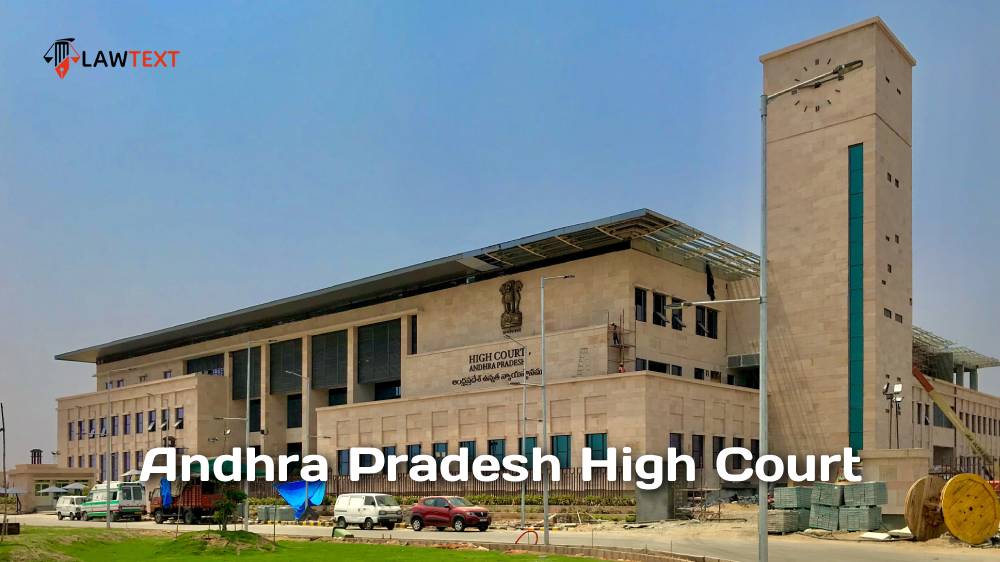
High Court of Andhra Pradesh Dismisses Writ Petition Against GST Assessment Due to Unexplained Delay and Finality of Order. Challenge to Section 73 CGST/SGST Assessment Fails as Petitioner Did Not Avail Statutory Appeal Under Section 107 and Filed Writ Petition More Than Two Years After Limitation Expired.

High Court: Andhra Pradesh High Court In Favour of Prosecution
  • 15
Judgement Image
Font size:
Print

Case Note & Summary

The High Court of Andhra Pradesh at Amaravati, by a division bench of Ravi Nath Tilhari J and Maheswara Rao Kuncheam J, dismissed Writ Petition No. 35116 of 2025 filed under Article 226 of the Constitution of India by M/s AKR Coastal JV against the Assistant Commissioner (ST)(FAC), Kavali Circle, the State of Andhra Pradesh, the Union of India, and the Executive Engineer, Irrigation Department. The litigation arose from an assessment order dated 27.02.2023 passed under Section 73 of the State Goods and Services Tax Act, 2017 and Central Goods and Services Tax Act, 2017 for financial year 2020-21. The petitioner, a joint venture engaged in works contract, challenged the assessment after it had attained finality. The order was appealable under Section 107 of the respective GST Acts. The prescribed limitation for filing an appeal was three months, with a further condonable period of one month if sufficient cause was shown under Section 107(4). The total limitation period, including the condonable period, expired in June 2023. The petitioner did not file any appeal. Instead, it filed the writ petition in December 2025, nearly two and a half years later, after the first respondent initiated coercive recovery and issued a garnishee notice dated 16.09.2025 to the Executive Engineer. In paragraph 11 of the writ affidavit, the petitioner explained that one joint venture partner had been declared insolvent by the NCLT and was under liquidation, insolvency proceedings were pending against the other partner with an appeal before NCLAT Chennai and a stay, employees including the tax accountant had left service due to non-payment of bills and GST amounts, and the recent garnishee notice constrained it to approach the High Court. The court considered the explanation and found it vague, without specified dates, and inadequate to constitute sufficient cause for the delay. It observed that even if the petitioner was pursuing other litigation before appellate tribunals, it could still have filed an appeal against the assessment order. The explanation did not inspire confidence as to genuineness or correctness. The assessment order had attained finality under the statute because the petitioner did not challenge it within time. Relying on Neelima Srivastava v. State of Uttar Pradesh, (2021) 17 SCC 693, the court reiterated that it is not permissible for parties to reopen concluded judgments as it would amount to abuse of process and adversely affect administration of justice. The court held that in exercise of writ jurisdiction it could not permit reopening of a matter that had attained finality long back under a statute. Accordingly, the writ petition was dismissed with no order as to costs, and pending interlocutory applications were closed. The decision favored the state and tax authorities.

Headnote

A) Constitutional Law - Writ Jurisdiction - Delay and Laches - Constitution of India, Article 226 - The petitioner challenged a GST assessment order after more than two and half years without availing statutory appeal under Section 107; explanation based on insolvency and staff departure was vague and insufficient - Held that writ jurisdiction cannot reopen concluded statutory orders and unexplained laches justify dismissal; the impugned order had attained finality (Paras 2-11).

B) Goods and Services Tax - Assessment and Appeal - Limitation for Statutory Appeal - State Goods and Services Tax Act, 2017 and Central Goods and Services Tax Act, 2017, Sections 73 and 107 - An order dated 27.02.2023 under Section 73 was appealable within three months plus condonable one month under Section 107(4), expiring June 2023; no appeal was filed and writ filed in December 2025 - Held that the petitioner failed to show sufficient cause for delay, and finality of assessment could not be disturbed (Paras 3-7, 9-11).

Subscribe to unlock Headnote Subscribe Now

Issue of Consideration

Whether a writ petition under Article 226 of the Constitution of India is maintainable to challenge a GST assessment order after the statutory appeal period under Section 107 has expired and no appeal has been filed, when the petitioner alleges insolvency and staff departure as causes for delay. Whether the petitioner sufficiently explained the delay and laches in approaching the court.

Subscribe to unlock Issue of Consideration Subscribe Now

Final Decision

Writ Petition No. 35116 of 2025 was dismissed. There was no order as to costs. Pending interlocutory applications, if any, stood closed. The assessment order dated 27.02.2023 attained finality.

Law Points

  • Writ jurisdiction under Article 226 cannot reopen concluded statutory orders
  • Delay and laches must be satisfactorily explained
  • Statutory alternative remedy and limitation under Section 107 of CGST/SGST Acts must be respected
  • Finality of assessment order under Section 73
  • Reopening concluded judgments amounts to abuse of process

Subscribe to unlock Law Points Subscribe Now

Case Details

2026 LawText (AP) (02) 2

Writ Petition No. 35116 of 2025

2026-02-10

Ravi Nath Tilhari, J., Maheswara Rao Kuncheam, J.

2026:APHC:6668

Petitioner: G. Narendra Chetty; Respondents 1 and 2: S.A.V.Sai Kumar, Assistant Government Pleader for Commercial Tax; Respondents: GP for Irrigation and CAD

M/s.AKR Coastal JV

The Assistant Commissioner (ST)(FAC), Kavali Circle; The State of Andhra Pradesh, Rep. by Principal Secretary, Revenue (CT) Department; The Union of India, Rep. by Secretary (Finance), Ministry of Finance; The Executive Engineer, Irrigation Department, Nellore Central Division, Nellore

Subscribe to unlock Case Details (Citation, Judge, Date & more) Subscribe Now

Nature of Litigation

Writ petition under Article 226 of the Constitution of India challenging a GST assessment order.

Remedy Sought

Petitioner sought quashing of the assessment order dated 27.02.2023 passed under Section 73 of CGST/SGST for financial year 2020-21 and to restrain coercive recovery.

Filing Reason

The assessment order dated 27.02.2023 was not appealed within statutory limitation; writ filed in December 2025 after recovery garnishee notice dated 16.09.2025, citing insolvency proceedings and staff departure as reasons for delay.

Previous Decisions

Impugned assessment order had attained finality as no statutory appeal was filed; no previous judicial decision on merits.

Issues

Whether a writ petition under Article 226 was maintainable despite non-availment of statutory appeal and expiry of limitation under Section 107 of CGST/SGST. Whether the petitioner sufficiently explained delay and laches in approaching the court.

Submissions/Arguments

Petitioner argued that delay was due to insolvency proceedings against joint venture partners, NCLAT stay, employee and accountant leaving service due to non-payment of bills and GST amounts, and that the recent garnishee notice constrained it to approach the High Court. The court observed that the explanation lacked specifications and dates, and that the petitioner could have taken legal recourse against the impugned order despite other litigation.

Ratio Decidendi

A writ petition under Article 226 cannot be used to reopen a concluded statutory assessment after the appeal period under Section 107 has expired and no sufficient cause for delay is shown; laches of over two years are fatal. Reopening concluded judgments amounts to abuse of process and adversely affects administration of justice.

Judgment Excerpts

The impugned order passed under the statute had attained finality as the petitioner did not challenge the same. The writ petition has been filed after almost two and half years of the order, which attained the finality under the statute. Laches are unexplained to the satisfaction of the Court. It is not permissible for the parties to reopen the concluded judgments of the court as the same may not only tantamount to an abuse of the process of the court but would have far-reaching adverse effect on the administration of justice.

Procedural History

Assessment order under Section 73 of CGST/SGST dated 27.02.2023 for financial year 2020-21 was passed by the first respondent. No statutory appeal under Section 107 was filed within the limitation period of three months plus condonable one month, which expired in June 2023. Writ petition was filed in December 2025 after a garnishee notice dated 16.09.2025 was issued to the Executive Engineer. The High Court dismissed the writ petition on 10.02.2026.

Acts & Sections

  • Constitution of India: Article 226
  • Central Goods and Services Tax Act, 2017: Section 73, Section 107, Section 107(4)
  • State Goods and Services Tax Act, 2017: Section 73, Section 107, Section 107(4)
Subscribe to unlock full Legal Analysis Subscribe Now
Related Judgement
High Court Bombay High Court Quashes Scrutiny Committee Order Invalidating Halbi Tribe Claim Due to Non-Consideration of Relevant Documents. Petitioner's Caste Validity Certificate Directed to be Issued as Committee Failed to Apply Correct Legal Principles Unde...
Related Judgement
High Court High Court of Andhra Pradesh Dismisses Writ Petition Against GST Assessment Due to Unexplained Delay and Finality of Order. Challenge to Section 73 CGST/SGST Assessment Fails as Petitioner Did Not Avail Statutory Appeal Under Section 107 and Filed Wr...




