
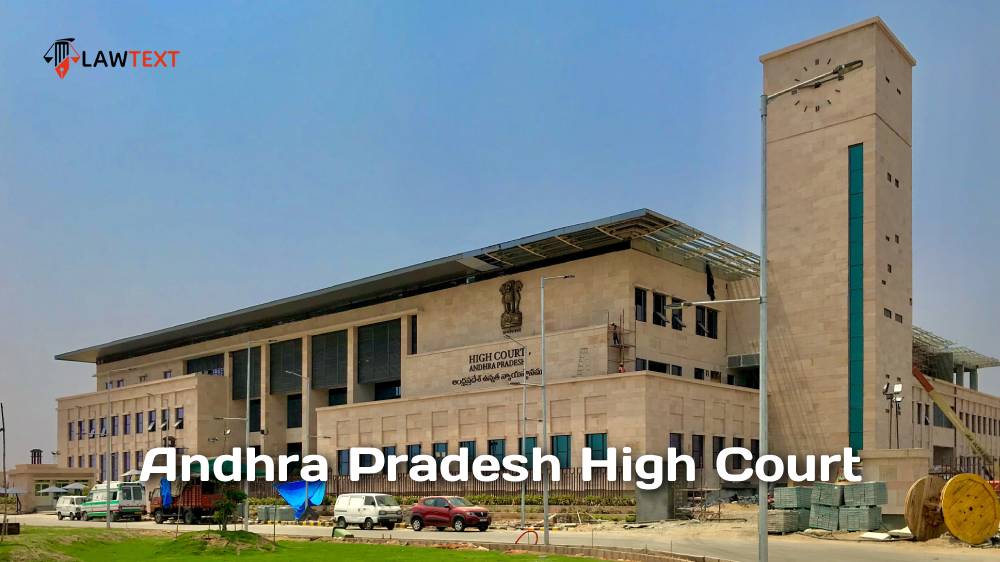
High Court of Andhra Pradesh Examines Civil Revision Petition Against Rejection of Order VII Rule 11 CPC Application in Suit for Declaration and Permanent Injunction. Limitation Under Article 58 of Limitation Act Is Assessed from Plaint-Averred Hostile Act of 15.08.2021, Not from Prior Written Statement Defense.

High Court: Andhra Pradesh High Court
  • 4
Judgement Image
Font size:
Print

Case Note & Summary

The matter before the High Court of Andhra Pradesh at Amaravati arose from a civil revision petition under Article 227 of the Constitution of India filed by defendants in a suit for declaration of title and permanent injunction. The petitioners challenged an order dated 10.12.2025 by the XI Additional District Judge, Visakhapatnam, by which their application under Order VII Rule 11(d) of the Code of Civil Procedure, 1908, seeking rejection of the plaint in O.S.No.230 of 2021, was rejected. The plaintiff had previously instituted O.S.No.1492 of 2005 for perpetual injunction against the defendants, which was dismissed on 04.07.2016. A subsequent appeal, A.S.No.155 of 2016, was dismissed as not pressed on 18.02.2016. The plaintiff thereafter filed O.S.No.230 of 2021 for declaration of title and permanent injunction, and it is pending. In that suit, the defendants moved I.A.No.474 of 2025 under Order VII Rule 11 CPC, asserting that the suit was barred by limitation under Article 58 of the Limitation Act, 1963. They argued that in the earlier suit the defendants had filed a written statement denying the plaintiff's title, and therefore the right to sue for declaration first accrued in 2005; the subsequent suit filed in 2021 was beyond the three-year limitation period. The plaintiff opposed the application, contending that the cause of action arose afresh on 15.08.2021, when the defendants allegedly attempted to trespass and publicly claimed ownership, and that the suit was filed within three years from that date. The trial court framed a point under Order VII Rule 11 and held that only plaint averments could be considered; the plaint disclosed a clear hostile act on 15.08.2021 and was within limitation, and therefore the plaint was not barred on the face of the record. The revision petitioners argued before the High Court that limitation was a pure question of law and that the first accrual of cause of action occurred when the written statement was filed in the earlier suit, relying on several Supreme Court decisions. The High Court noted the relevant provisions and referred to Dahiben v. Arvindbhai Kalyanji Bhanusali, which lays down principles for Order VII Rule 11 applications. The excerpt of the judgment provided ends while quoting Dahiben and does not include the final operative order. Therefore, the final decision in the civil revision petition is not mentioned in the provided text. The legal principles under consideration were that rejection under Order VII Rule 11(d) must be based on the plaint's own averments and documents filed with the plaint, that defense material cannot be considered, and that under Article 58 limitation begins when the right to sue first accrues. The court's analysis focused on whether the trial court was correct in confining itself to the plaint averments and treating 15.08.2021 as the accrual date.

Headnote

A) Civil Procedure - Rejection of Plaint - Scope of Enquiry - Code of Civil Procedure, 1908, Order VII Rule 11(d) - Application for rejection on ground of limitation; court must consider only plaint averments and documents filed with plaint; written statement, prior suit judgment, or appeal pleadings cannot be examined at this stage; trial court found plaint averred cause of action on 15.08.2021 and suit filed within three years; Held that plaint not barred on face (Paras 5-8, 15-18).

B) Limitation - Suit for Declaration - Cause of Action Accrual - Limitation Act, 1963, Article 58 - Period of limitation is three years from when right to sue first accrues; defendants contended first accrual occurred in 2005 when written statement in earlier suit denied title; plaintiff averred fresh hostile act on 15.08.2021; trial court held plaint's own averments show cause of action on 15.08.2021, not barred; Held that limitation must be judged from plaint and not from defense (Paras 5-8, 15).

C) Constitutional Law - Supervisory Jurisdiction - Scope of Revision - Constitution of India, Article 227 - Petitioners invoked supervisory jurisdiction to challenge trial court's order; High Court examined whether impugned order suffered from illegality; no final decision recorded in excerpt (Paras 2, 14).

Subscribe to unlock Headnote Subscribe Now

Issue of Consideration

Whether the impugned order rejecting the application under Order VII Rule 11(d) CPC and thereby not rejecting the plaint on the plea of limitation suffers from any illegality.

Subscribe to unlock Issue of Consideration Subscribe Now

Final Decision

Not mentioned in provided text. The provided judgment text ends while quoting Dahiben v. Arvindbhai Kalyanji Bhanusali and does not record the final operative order.

Law Points

  • Order VII Rule 11 CPC rejection must be based only on plaint averments and documents filed with plaint
  • defense material cannot be considered
  • limitation under Article 58 runs from when right to sue first accrues
  • plaint averment of hostile act on 15.08.2021 gives fresh cause of action
  • suit filed within three years not barred on face of plaint

Subscribe to unlock Law Points Subscribe Now

Case Details

2026 LawText (AP) (02) 1

Civil Revision Petition No. 331 of 2026

2026-02-27

Ravi Nath Tilhari

2026:APHC:7192

Sri B. Nalin Kumar, assisted by Sri Mannam Venkata Krishna

Mikkilineni Yujaya Dinesh Babu & 4 others

Pasala Satyavathi

Subscribe to unlock Case Details (Citation, Judge, Date & more) Subscribe Now

Nature of Litigation

Civil revision petition under Article 227 of Constitution of India against trial court's order rejecting an application under Order VII Rule 11 CPC.

Remedy Sought

Petitioners/defendants sought to set aside order dated 10.12.2025 passed in I.A.No.474 of 2025 in O.S.No.230 of 2021 and to reject the plaint as barred by limitation.

Filing Reason

Trial court rejected their application to reject plaint on ground of limitation; petitioners argued that first denial of title in written statement filed in earlier suit O.S.No.1492 of 2005 triggered limitation, and suit filed in 2021 was barred under Article 58 of Limitation Act.

Previous Decisions

O.S.No.1492 of 2005 dismissed on 04.07.2016; A.S.No.155 of 2016 dismissed as not pressed on 18.02.2016; I.A.No.474 of 2025 rejected on 10.12.2025; present civil revision petition filed thereafter.

Issues

Whether the impugned order rejecting the application under Order VII Rule 11(d) CPC and thereby not rejecting the plaint on the plea of limitation suffers from any illegality. Whether the plaint in O.S.No.230 of 2021 was barred by limitation under Article 58 of the Limitation Act when the earlier suit written statement denied title in 2005, or whether the fresh cause of action arose on 15.08.2021 as per plaint averments.

Submissions/Arguments

Petitioners: limitation is pure question of law; right to sue first accrued in 2005 when written statement denied title; suit filed in 2021 beyond three years; trial court erred by not considering first cause of action; relied on Supreme Court decisions. Respondent/plaintiff: application premature; suit not barred; fresh cause of action arose on 15.08.2021 when defendants attempted to trespass and claimed ownership; written statement in earlier suit cannot be looked at under Order VII Rule 11.

Ratio Decidendi

For rejection under Order VII Rule 11(d) CPC, the court must consider only the plaint averments and documents filed with the plaint; defense material, prior suit judgments, and written statements cannot be looked at. Under Article 58 of the Limitation Act, limitation runs from when the right to sue first accrues, but this must be determined from the plaint's own averments. If the plaint avers a clear hostile act within three years of filing, the suit is not barred on the face of the plaint.

Judgment Excerpts

The Court was bound to confine strictly to the plaint averments and the written statement or defense documents, earlier written statement, judgment in O.S.No.1492 of 2005 or the appeal pleadings could not be looked into at this stage to determine the limitation period based on disputed aspects. Under Article 58 of the Limitation Act, the limitation begins when the right to sue first accrued and according to the plaint averments a clear hostile act occurred on 15.08.2021. The plaint disclosed cause of action on 15.08.2021 and so, the relief in the suit on the face of the plaint, was not barred by limitation.

Procedural History

Plaintiff filed O.S.No.1492 of 2005 before III Additional Senior Civil Judge, Visakhapatnam for perpetual injunction; suit dismissed on 04.07.2016. Plaintiff filed A.S.No.155 of 2016 before XI Additional District Judge, Visakhapatnam, which was dismissed as not pressed on 18.02.2016. Plaintiff then filed O.S.No.230 of 2021 before XI Additional District Judge, Visakhapatnam for declaration of title and permanent injunction. Defendants/petitioners filed I.A.No.474 of 2025 under Order VII Rule 11 CPC to reject plaint on limitation. By order dated 10.12.2025, XI Additional District Judge rejected the I.A. Aggrieved, petitioners filed present Civil Revision Petition under Article 227 of Constitution of India.

Acts & Sections

  • Code of Civil Procedure, 1908: Order VII Rule 11
  • Limitation Act, 1963: Article 58
  • Constitution of India: Article 227
Subscribe to unlock full Legal Analysis Subscribe Now
Related Judgement
Supreme Court Supreme Court Upholds State in Bombay Land Requisition Act Case — Requisition of Room After Landlord's Bona Fide Requirement Eviction Valid. A room that had been let separately and was later evicted for landlord's bona fide need remains 'premises' ...
Related Judgement
Supreme Court Supreme Court Allows Appeal Against Recovery Notice and Building Permission Cancellation in Stamp Duty Deficiency Case. Subsequent Purchaser Held Liable for Penalty but Recovery Premature as Cheques Accepted by Collector.




