
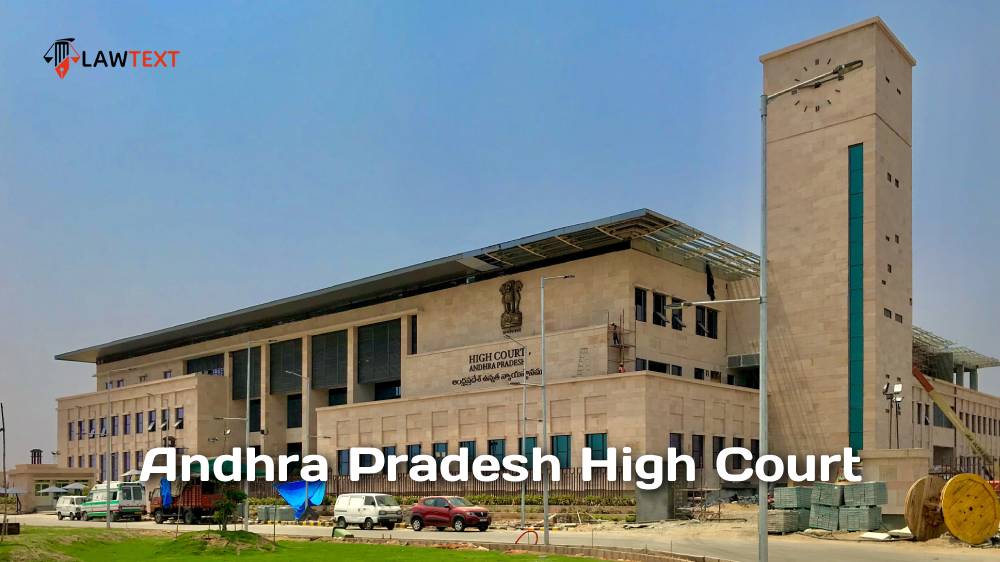
Case Note & Summary
The High Court of Andhra Pradesh at Amaravati considered a civil revision petition under Article 227 of the Constitution of India, challenging an order of the District and Sessions Judge, Prakasam District, which had returned an unnumbered divorce petition filed under Section 18 of the Divorce Act, 1869. The petitioner had filed the original petition seeking a decree of nullity of marriage dated 29.04.2024, alleging that the marriage was solemnized under the Indian Christian Marriage Act, 1872 and that a marriage certificate had been issued by the competent authority. The trial court initially returned the petition on the ground that both parties belonged to the Hindu SC Mala community and according to the pleadings both were Hindus, thus the petition was not maintainable under Section 2 of the Divorce Act, 1869. The petitioner resubmitted the petition explaining that the respondent professed Christianity in a church run by the petitioner's brother and that the marriage had been performed under the Indian Christian Marriage Act, 1872. However, the trial court passed a docket order dated 03.02.2026 reiterating that there was no pleading in the affidavit that the respondent professed Christianity and therefore the endorsement was contrary to the pleadings. Aggrieved, the petitioner approached the High Court contending that the marriage certificate issued under the Indian Christian Marriage Act, 1872 was conclusive proof of the marriage and could not be disbelieved merely because the petition did not contain an explicit averment of the respondent's Christian profession. The petitioner submitted that the respondent regularly attended a church and the marriage was conducted as per Christian rituals. The High Court examined Sections 2 and 18 of the Divorce Act, 1869 and noted that Section 18 permits any husband or wife to present a petition for decree of nullity, while Section 2 restricts the grant of relief to cases where either the petitioner or the respondent professes the Christian religion. The Court observed that the presumption could be drawn once the marriage was performed under the Indian Christian Marriage Act, 1872, because unless one party professed Christianity the marriage would not have been performed under that Act in a church. The Court also considered the wedding card and marriage certificate which showed that the marriage was held at Juvet Memorial Baptist Church, Ongole, conducted by named pastors, and that the respondent's name was mentioned as Priscilla, indicating that the respondent's family professed Christianity. The Court relied on decisions of the Madras High Court, Delhi High Court, and Andhra Pradesh High Court, including R.Anita Marginic v. R.Annadurai, Pramilla Khosla v. Rajinish Kumar Khosla, and Alokam Sudhakar Babu v. State of Andhra Pradesh, which held that a petition under the Divorce Act is maintainable if one party professes Christian religion at the time of filing, irrespective of the form of marriage. The Court also noted that since the marriage was not performed under the Special Marriage Act, 1954 or the Hindu Marriage Act, 1955, the parties could not file a divorce petition under the Hindu Marriage Act, and therefore the Divorce Act was the appropriate remedy. Ultimately, the High Court allowed the civil revision petition, set aside the docket order dated 03.02.2026, and directed the trial court to number the divorce petition and adjudicate it on merits in accordance with law, holding that no prejudice would be caused to the respondent.
Headnote
A) Family Law - Maintainability of Divorce Petition - Scope of Section 2 and Section 18 of Divorce Act, 1869 - Divorce Act, 1869, Sections 2 and 18 - A petition for decree of nullity under Section 18 of Divorce Act, 1869 is maintainable if either petitioner or respondent professes Christian religion at the time of presentation; the trial court could not reject the petition solely because the parties belonged to Hindu SC Mala community and no explicit pleading of respondent's Christian profession when the marriage was solemnized under Indian Christian Marriage Act, 1872 and a marriage certificate was filed. Held that the petition is maintainable and must be numbered and adjudicated on merits. (Paras 3, 6, 8-9) B) Evidence - Presumption from Marriage Certificate and Wedding Card - Indian Christian Marriage Act, 1872 - Indian Christian Marriage Act, 1872 - A marriage certificate issued by the competent authority under the Act is conclusive proof of marriage performed thereunder; the court may draw a presumption that parties professed Christianity from the solemnization in a church and the wedding card indicating Christian rites. The petitioner's resubmission stating that respondent professes Christianity and the documents showing Juvet Memorial Baptist Church were sufficient to establish prima facie jurisdiction under Section 2 of Divorce Act, 1869. Held that the trial court's insistence on explicit pleading was erroneous. (Paras 3, 6, 8) C) Civil Procedure - Supervisory Jurisdiction under Article 227 of Constitution of India - Correction of Trial Court Docket Order Returning Unnumbered Divorce Petition - Constitution of India, 1950, Article 227 - The High Court set aside the docket order dated 03.02.2026 which rejected the petition without numbering, holding that the rejection was contrary to law and that no prejudice would be caused to the respondent if the petition were adjudicated on merits under Divorce Act, 1869. Held that the trial court must number the petition and proceed in accordance with law. (Paras 3, 6, 9)
Issue of Consideration
Whether a divorce petition filed under Section 18 of the Divorce Act, 1869 is maintainable when the marriage was solemnized under the Indian Christian Marriage Act, 1872 and a marriage certificate was issued, despite the absence of an explicit pleading that the respondent professes Christianity, and whether the trial court erred in returning the petition without numbering it.
Final Decision
The High Court allowed the civil revision petition, set aside the docket order dated 03.02.2026 passed by the District and Sessions Judge, Prakasam District, and directed the trial court to number the divorce petition filed under Section 18 of the Divorce Act, 1869 and adjudicate it on merits in accordance with law.
Law Points
- A petition under Section 18 of Divorce Act
- 1869 is maintainable if either party professes Christian religion at time of filing
- Section 2 Divorce Act
- 1869
- marriage solemnized under Indian Christian Marriage Act raises presumption of Christian profession
- marriage certificate conclusive proof
- absence of specific pleading alleging respondent professes Christianity not fatal when documents show Christian rites





