
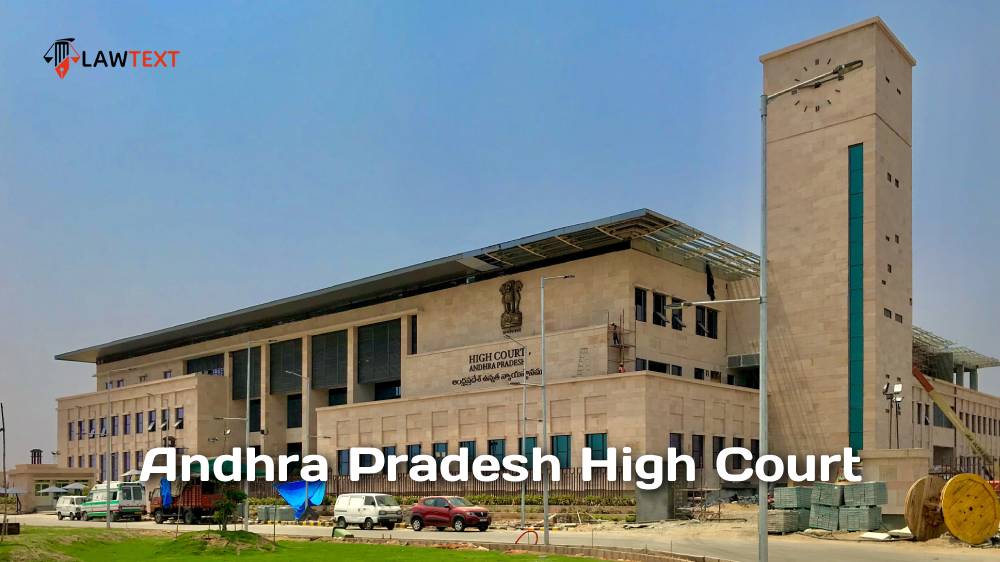
Case Note & Summary
This writ petition was filed under Article 226 of the Constitution of India seeking a writ of mandamus against the Government of Andhra Pradesh Endowment Department and Sri Swamy Hathiramjee Mutt for withholding terminal benefits and full pension of a retired employee. The petitioner, B. Ramaiah, had joined service as a clerk on 23 November 1968 and was declared to have completed probation on 31 December 1972; he eventually worked as a superintendent. A criminal case was registered against him and several other persons on 31 August 2004 by the administrative officer of the second respondent, as Crime No. 239 of 2004 under Sections 420, 468, 471, 473 and 474 of the Indian Penal Code. He was placed under suspension on 7 September 2004, and pending trial a charge memo dated 23 January 2005 was issued levelling the same charges. The Regional Joint Commissioner of Endowments issued a notice on 26 September 2004 communicating the enquiry report, and an enquiry officer was appointed on 23 January 2010. The petitioner attained the age of superannuation on 31 August 2006 after about 36 years of service. The criminal case, C.C. No. 320 of 2008 before the II Additional Junior Civil Judge, Tirupati, remained pending, and five accused had died during its pendency. The petitioner's son and wife had died, leaving him aged about 79 years with no other source of income. The respondents withheld terminal benefits and pension on the ground that a criminal case and departmental proceedings were pending. The petitioner contended that pension is not a bounty but a valuable right to property, and cannot be withheld without authority of law; he relied on State of Jharkhand v. Jitendra Kumar Srivastava and Vinay Kumar v. Central Bank of India. The respondents argued that under Pension Rules, 1996, an employee with a pending case is not entitled to terminal benefits, and that the petitioner, being an employee of the mutt, was not a government employee. The Court rejected the respondents' contentions, holding that Rule 9 of the Revised Pension Rules permits withholding or withdrawal of pension or gratuity only if the pensioner is found guilty of grave misconduct or negligence in departmental or judicial proceedings. Since the petitioner had not been found guilty in either proceeding, withholding was illegal. The Court also noted that the disciplinary enquiry had been initiated four years after retirement and had not concluded, and that the criminal case had been pending since 2008, with five accused dead. It observed that pension is not a bounty, gratuity, or ex gratia payment dependent on the employer's will, and that the respondents' irrational acts endangered the petitioner's fundamental right to life under Article 21. Accordingly, the High Court allowed the writ petition and directed the respondents to release terminal benefits and full pension together with arrears within eight weeks from the date of receipt of a copy of the order, with no order as to costs. Pending miscellaneous petitions were closed.
Headnote
A) Service Law - Pension and Terminal Benefits - Right to Pension as Property - Constitution of India, 1950, Articles 300-A and 21 and Revised Pension Rules, Rule 9 - The Court examined whether pension and gratuity could be withheld during pendency of departmental or criminal proceedings without a finding of guilt. Relying on State of Jharkhand v. Jitendra Kumar Srivastava and Vinay Kumar v. Central Bank of India, it held that pension is not a bounty or ex gratia payment but a valuable right to property, and can be denied only through authority of law. Rule 9 permits withholding or withdrawal only if the pensioner is found guilty of grave misconduct or negligence in departmental or judicial proceedings. Held that mere pendency does not constitute a finding of guilt, and withholding the petitioner's pension was illegal (Paras 9-12, 17-18). B) Service Law - Disciplinary Proceedings - Delay in Initiation and Conclusion - CCA Regulations and Rules and Memo No.110169/Ser.C/2003 dated 11.09.2003 - The departmental enquiry was initiated four years after the petitioner's retirement and had not commenced or concluded; the criminal case had been pending since 2008 with five accused having died. The Court noted the State's own memo fixed an upper limit of two years for suspension. Held that indefinite withholding of terminal benefits due to lapsed or prolonged departmental proceedings was arbitrary and unjustified (Paras 10, 15). C) Criminal Law - Pendency of Criminal Case - Effect on Pension and Gratuity - Indian Penal Code, 1860, Sections 420, 468, 471, 473, 474 - The petitioner was accused in Crime No.239 of 2004 and facing trial in C.C.No.320 of 2008, but had not been held guilty of any charges. The Court held that allegations or pending trial cannot operate as a finding of guilt, and under Revised Pension Rules Rule 9, recovery or withholding is permissible only upon a finding of grave misconduct or negligence, which had not occurred (Paras 15, 17-18). D) Constitutional Law - Right to Life - Withholding Pension Endangers Article 21 - Constitution of India, 1950, Articles 14, 16, 21, 300-A - The petitioner, aged about 79 years, with wife and son deceased, had no other source of income, and the respondents' irrational acts endangered his fundamental right to life. The Court allowed the writ and directed release of terminal benefits and full pension with arrears within eight weeks (Paras 13, 18-19). E) Service Law - Definition of Employee - Applicability of Pension Rules to Mutt Employees - CCA Regulations and Rules - The respondent contended that the petitioner was not a Government employee and not entitled to pension. The Court noted that the Government appointed the Regional Joint Commissioner as Enquiry Officer against the petitioner, contradicting that stand. Held that the petitioner's service was governed by the CCA Regulations and Rules, and he could not be denied pension on that ground (Paras 3, 16).
Issue of Consideration
Whether the respondents could withhold terminal benefits and full pension solely on the ground of pending departmental enquiry and criminal case after retirement; Whether pension can be denied without a finding of guilt under Rule 9 of the Revised Pension Rules; Whether such withholding violates Articles 14, 16, 21 and 300-A of the Constitution of India.
Final Decision
The Writ Petition was allowed. The respondents were directed to release the petitioner's terminal benefits and full pension together with arrears within a period of eight weeks from the date of receipt of a copy of the order. There was no order as to costs. Miscellaneous petitions pending, if any, stood closed.
Law Points
- Pension is not a bounty
- gratuity
- or ex gratia payment dependent on the employer's will
- Pension is a valuable right to property and can be denied only through authority of law
- Under Rule 9 of the Revised Pension Rules pension/gratuity can be withheld only if pensioner is found guilty of grave misconduct or negligence in departmental/judicial proceedings
- Mere pendency of criminal case or departmental enquiry does not justify withholding terminal benefits
- Suspension period upper limit two years as per Memo dated 11.09.2003
- Delay in initiation of departmental proceedings after retirement is unjustified
- Withholding pension affects fundamental right to life under Article 21






