
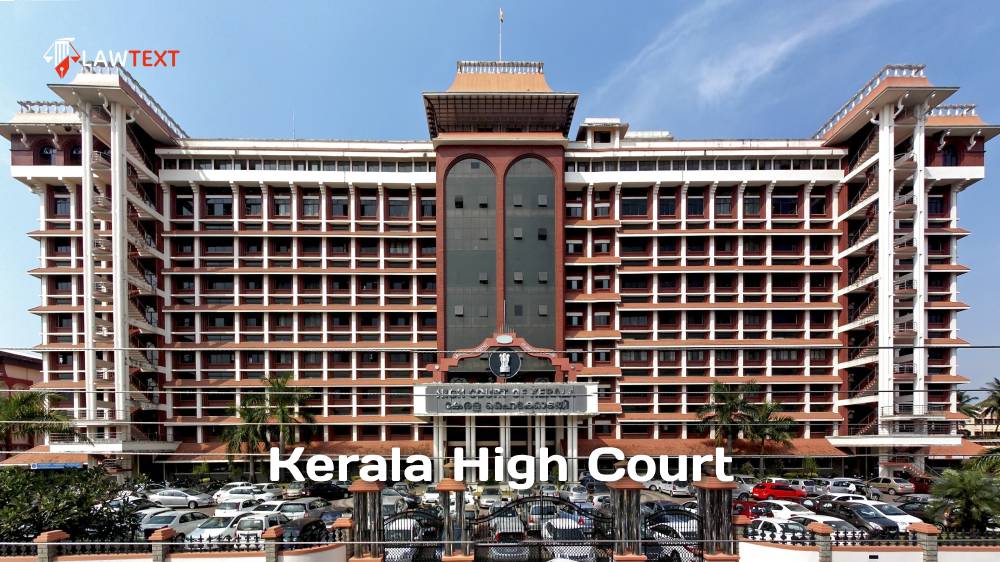
Case Note & Summary
The High Court of Kerala at Ernakulam heard a criminal appeal filed by the sole accused against the judgment of the Special Court under the Protection of Children from Sexual Offences Act, 2012, Kasaragod, in S.C. No.611/2016 arising from Crime No.271/2016 of Ambalathara Police Station. The appeal challenged the conviction and sentence imposed on the accused, Abdul Haneef Madani, who was alleged to have committed offences under Sections 3(a), 5(f) r/w 6 and 5(m) r/w 6 of the POCSO Act and Sections 377 and 503 r/w 506(ii) of the Indian Penal Code. The prosecution case was that on 10.07.2016 between 16:00 and 17:30 hours, the accused, who was the Usthad of Madrassa attached to Udayanagar Rahmaniya Juma Masjid, subjected the survivor, PW1, a first standard student, to unnatural sexual intercourse. The prosecution further alleged that another child, CW3, was also subjected to unnatural sexual intercourse on 25.05.2016 for which a separate crime was registered. At trial, the prosecution examined PW1 to PW16 and marked Exts.P1 to P22; no defence evidence was adduced. The Special Court convicted the accused and sentenced him to rigorous imprisonment for 20 years and fine of Rs.1,00,000 for offence under Sections 3(a), 5(f) r/w 6 POCSO Act; 20 years and fine of Rs.1,00,000 under Sections 3(a), 5(m) r/w 6 POCSO Act; 10 years and fine Rs.1,00,000 under Section 377 IPC; and 3 years and fine Rs.25,000 under Section 503 r/w 506(ii) IPC, with substantive sentences to run concurrently. The court directed set-off under Section 428 CrPC and payment of compensation under Section 357 CrPC, and requested the District Legal Service Authority to fix quantum of compensation under Victim Compensation Scheme. In appeal, the appellant argued that the prosecution case was not proved, medical evidence did not corroborate anal intercourse because no injuries were found, and attendance register and Muallim admission register showed he was not on duty as Usthad on the date of occurrence. The Public Prosecutor submitted that the occurrence happened on 10.07.2016 and the doctor examined the victim on 17.07.2016, giving time for wounds to heal; the accused also worked as Mukri and the attendance register showed his presence. The High Court framed seven points for consideration covering each section and whether the verdict required interference. The court then proceeded to analyse evidence: PW1 gave detailed testimony of the assault, identified the accused, and his Section 164 statement was marked; cross-examination did not yield proved contradictions. PW4, another minor, also testified about sexual assault by the accused, showing pattern; no discrediting material was elicited. PW5, the doctor, deposed about examining the victim and found tenderness over anus, one finger loose on anus, and history of blood spots; medical report Ext.P6 opined findings consistent with unnatural offence. The extracted judgment text ends during the examination of PW5 and does not include the final operative decision. Therefore, the final holding and directions are not available in the provided extract.
Headnote
A) Criminal Appeal - Appeal against Conviction - Offences under POCSO Act and IPC - Protection of Children from Sexual Offences Act, 2012 Sections 3(a), 5(f) r/w 6, 5(m) r/w 6; Indian Penal Code, 1860 Sections 377, 503 r/w 506(ii) - Appeal filed by sole accused challenging conviction and sentence imposed by Special Court; prosecution alleged that accused, a madrassa teacher, subjected a minor to unnatural sexual intercourse; Special Court convicted and sentenced accused to rigorous imprisonment and fines with concurrent sentences. (Paras 3-6) B) Evidence - Corroboration by Medical Evidence and Attendance Registers - Absence of Injuries and Duty Records - Indian Penal Code, 1860 Section 377; Protection of Children from Sexual Offences Act, 2012 - Appellant argued that no injuries found on victim and attendance register showed accused not on duty as Usthad; prosecution countered that occurrence on 10.07.2016 and examination on 17.07.2016 allowed healing, and accused also worked as Mukri as per attendance register. (Paras 7-8) C) Criminal Procedure - Points for Determination - Framing of Issues in Criminal Appeal - Code of Criminal Procedure, 1973 Section 374 - High Court formulated seven points for consideration, including whether Special Court rightly held accused committed offences under POCSO Act and IPC and whether verdict requires interference. (Para 9) D) Evidence - Child Victim Testimony - Sexual Assault by Madrassa Teacher - Protection of Children from Sexual Offences Act, 2012 Section 3(a) - PW1 testified that accused called him to room, hugged, inserted penis into anus after oiling, threatened to kill if disclosed; PW1 identified accused and his statement under Section 164 CrPC was marked; cross-examination did not elicit proved contradictions. (Para 10) E) Evidence - Testimony of Other Child Victim - Pattern of Sexual Molestation - Indian Penal Code, 1860 Section 377 - PW4, another minor, gave evidence of being sexually assaulted by accused, showing habit; no material was elicited to discredit PW4's testimony. (Para 11) F) Medical Evidence - Doctor's Examination Report - Consistency with Unnatural Offence - Indian Penal Code, 1860 Section 377; Protection of Children from Sexual Offences Act, 2012 - PW5 doctor examined victim on 17.07.2016, found tenderness over anus, one finger loose on anus, history of blood spots; report Ext.P6 opined findings consistent with alleged history of unnatural offence. (Para 12)
Issue of Consideration
Whether the Special Court rightly convicted the appellant/accused for offences under Sections 3(a), 5(f) r/w 6, 5(m) r/w 6 of POCSO Act and Sections 377 and 503 r/w 506(ii) IPC, and whether the conviction and sentence require interference.
Law Points
- Sexual offences under POCSO Act
- Section 3(a) penetrative sexual assault
- aggravated penetrative sexual assault under Sections 5(f) and 5(m)
- unnatural offence under Section 377 IPC
- criminal intimidation under Section 503 r/w 506(ii) IPC
- corroboration of child witness testimony
- medical evidence in sexual assault cases






