Case Note & Summary
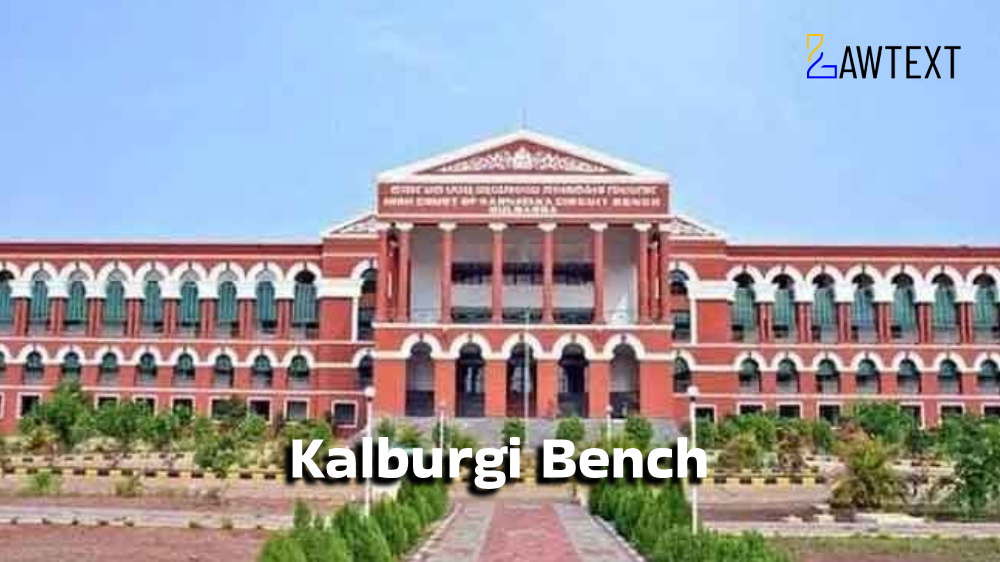
The petitioner, K. Kannan, was employed as a Cotton Purchase Officer with the Cotton Corporation of India Limited. He was posted at the Raichur Centre and was issued an office order dated 01.02.2002 allocating work as Raichur Centre Incharge. Subsequently, a criminal case was registered against him, leading to his removal from service. However, the petitioner was acquitted by the Chief Judicial Magistrate, Raichur, in C.C.No.1/2003 on 25.02.2011. Following his acquittal, the petitioner made a representation dated 11.05.2012 (Annexure-H) to the respondents seeking payment of entire arrears of salary and all consequential benefits, treating him to be in service throughout as if there was no order of removal. When the respondents failed to act on his representation, the petitioner filed a writ petition under Articles 226 and 227 of the Constitution of India before the High Court of Karnataka, Circuit Bench at Gulbarga. The court considered the petitioner's prayer and, after hearing the parties, allowed the writ petition. The court directed the respondents to pay the entire arrears of salary and all consequential benefits to the petitioner, treating him to be in service throughout as if there was no order of removal. The court also directed the respondents to comply with the order within a period of four weeks from the date of receipt of the order.
Headnote
A) Service Law - Reinstatement - Back Wages - Acquittal in Criminal Case - Petitioner, a Cotton Purchase Officer, was removed from service following a criminal case; upon acquittal by the CJM Raichur in C.C.No.1/2003 dated 25.02.2011, he sought arrears of salary and consequential benefits - Court held that the petitioner is entitled to be treated as if there was no order of removal and directed payment of entire arrears of salary and all consequential benefits (Paras 1-4).
Issue of Consideration
Whether the petitioner is entitled to arrears of salary and consequential benefits treating him to be in service throughout despite his removal from service, following his acquittal in a criminal case.
Final Decision
Writ petition allowed. Respondents directed to pay entire arrears of salary and all consequential benefits to the petitioner, treating him to be in service throughout as if there was no order of removal. Compliance within four weeks.
Law Points
- Reinstatement upon acquittal
- back wages
- consequential benefits
- criminal trial acquittal
- service law
- Article 226
- Article 227
Case Details
2013 LawText (KAR) (07) 32
Writ Petition No.86389/2012 (S-RES)
Sri P. Vilas Kumar, Sri Shivalok N. Talwar (for petitioner); Sri S.G. Kadadakatti (for respondents)
The Cotton Corporation of India Limited, The Branch Manager, The Chief General Manager (Mktg.) & Appellate Authority
Subscribe to unlock Case Details (Citation, Judge, Date & more)
Subscribe Now
Nature of Litigation
Writ petition seeking direction to pay arrears of salary and consequential benefits following acquittal in criminal case.
Remedy Sought
Petitioner sought a writ of mandamus directing respondents to pay entire arrears of salary and all consequential benefits treating him to be in service throughout as if there was no order of removal.
Filing Reason
Respondents failed to act on petitioner's representation dated 11.05.2012 seeking benefits after acquittal.
Previous Decisions
Petitioner was removed from service; subsequently acquitted by CJM Raichur in C.C.No.1/2003 on 25.02.2011.
Issues
Whether the petitioner is entitled to arrears of salary and consequential benefits treating him to be in service throughout despite his removal, following acquittal in criminal case.
Submissions/Arguments
Petitioner argued that upon acquittal, he should be treated as if no order of removal existed and is entitled to full back wages and benefits.
Respondents opposed the petition, but the court found merit in petitioner's claim.
Ratio Decidendi
Upon acquittal in a criminal case, an employee is entitled to be reinstated with full back wages and consequential benefits as if the order of removal never existed, as the acquittal nullifies the basis of removal.
Judgment Excerpts
Petitioner has sought for a direction to pay entire arrears of salary and all other consequential benefits treating the petitioner to be in service throughout as if there being no order of removal.
Petitioner was working as Cotton Purchase Officer under respondents.
He was posted in the said post at Raichur Centre, Raichur Branch Office, Cotton Corporation of India Limited on 30.10.2001.
As could be seen from the office order dated 01.02.2002 allocating work as Raichur Centre Incharge.
Procedural History
Petitioner was removed from service following a criminal case. He was acquitted by CJM Raichur in C.C.No.1/2003 on 25.02.2011. He made a representation on 11.05.2012 seeking benefits. Respondents did not act. Petitioner filed Writ Petition No.86389/2012 under Articles 226 and 227 of the Constitution of India before the High Court of Karnataka, Circuit Bench at Gulbarga. The court allowed the petition on 29.07.2013.
Acts & Sections
- Constitution of India: Articles 226, 227