
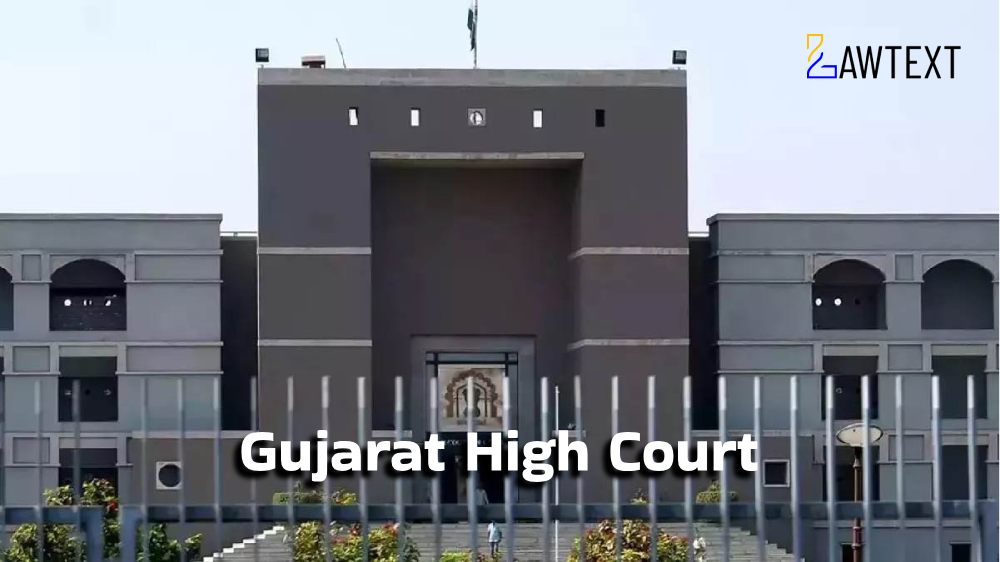
High Court of Gujarat Quashes Ex-Parte Interim Order of Industrial Tribunal in Industrial Dispute Reference. Petitioner Employer Succeeds in Challenging Interim Relief Granted Without Hearing and Without Reasons Under Section 10 of Industrial Disputes Act, 1947.

High Court: Gujarat High Court In Favour of Accused
  • 184
Judgement Image
Font size:
Print

Case Note & Summary

The petitioner, Agew Steel Manufacturers Private Limited, challenged an interim order dated 11.11.2022 passed by the Industrial Tribunal, Ahmedabad, below Exh. 7 in Reference (IT) No. 52 of 2022. The Tribunal had granted interim relief in favor of the respondent union without hearing the petitioner and without providing any reasons in the order. The petitioner sought a writ of certiorari to quash the interim order and the reference order dated 24.04.2022. The High Court, after hearing the parties, found that the Tribunal had acted in violation of principles of natural justice by not affording an opportunity of hearing to the petitioner before passing the ex-parte interim order. The Court also noted that the order lacked any reasoning, which is essential even for interim orders. Consequently, the High Court allowed the petition, set aside the impugned interim order, and directed the Industrial Tribunal to hear both parties afresh and pass a reasoned order in accordance with law. The Court also disposed of the connected civil application for vacating interim relief.

Headnote

A) Industrial Law - Interim Relief - Ex-Parte Order - Section 10, Industrial Disputes Act, 1947 - The Industrial Tribunal passed an ex-parte interim order without hearing the employer and without assigning reasons, which was challenged by the employer under Articles 226 and 227 of the Constitution. The High Court held that such an order violates principles of natural justice and must be set aside, directing the Tribunal to hear both parties afresh. (Paras 1-10)

B) Constitutional Law - Writ Jurisdiction - Articles 226 and 227 - The High Court exercised its supervisory jurisdiction to quash an interim order that was passed without jurisdiction and in violation of natural justice, emphasizing that tribunals must pass speaking orders even at the interim stage. (Paras 1-10)

Subscribe to unlock Headnote Subscribe Now

Issue of Consideration

Whether the Industrial Tribunal could pass an ex-parte interim order under Section 10 of the Industrial Disputes Act, 1947 without affording an opportunity of hearing to the employer and without recording reasons.

Subscribe to unlock Issue of Consideration Subscribe Now

Final Decision

The High Court allowed the petition, quashed and set aside the impugned interim order dated 11.11.2022 passed by the Industrial Tribunal, Ahmedabad below Exh. 7 in Reference (IT) No. 52 of 2022, and directed the Tribunal to hear both parties afresh and pass a reasoned order in accordance with law. The connected civil application was also disposed of.

Law Points

  • Industrial Disputes Act
  • 1947
  • Section 10
  • Interim Relief
  • Natural Justice
  • Speaking Order
  • Writ Jurisdiction under Articles 226 and 227

Subscribe to unlock Law Points Subscribe Now

Case Details

2026 LawText (GUJ) (03) 456

R/Special Civil Application No. 815 of 2023

2026-03-05

Hemant M. Prachchhak

Dipak R. Dave for Petitioner, U.T. Mishra for Respondent No.1, Roshni Patel AGP for Respondent No.2

Agew Steel Manufacturers Private Limited

Mahagujarat Labour Union & Anr.

Subscribe to unlock Case Details (Citation, Judge, Date & more) Subscribe Now

Nature of Litigation

Challenge to an interim order passed by the Industrial Tribunal in a reference under Section 10 of the Industrial Disputes Act, 1947.

Remedy Sought

The petitioner sought a writ of certiorari to quash the interim order dated 11.11.2022 and the reference order dated 24.04.2022, and to stay the execution of the interim order.

Filing Reason

The petitioner contended that the Industrial Tribunal passed an ex-parte interim order without hearing the petitioner and without assigning any reasons, violating principles of natural justice.

Previous Decisions

The Industrial Tribunal had passed an interim order below Exh. 7 in Reference (IT) No. 52 of 2022 on 11.11.2022, which was challenged in the present petition.

Issues

Whether the Industrial Tribunal could pass an ex-parte interim order without hearing the employer and without recording reasons.

Submissions/Arguments

The petitioner argued that the interim order was passed in violation of natural justice as no opportunity of hearing was given. The petitioner further argued that the order lacked any reasoning, making it unsustainable in law.

Ratio Decidendi

An interim order passed ex-parte without affording an opportunity of hearing and without recording reasons is violative of principles of natural justice and cannot be sustained. Tribunals must pass speaking orders even at the interim stage.

Judgment Excerpts

By way of present petition filed under Articles 14, 19(1)(g), 226 and 227 of the Constitution of India r/w the provision of Section 10 of the Industrial Disputes Act, 1947 the petitioner has challenged interim order dated 11.11.2022 passed by the Industrial Tribunal, Ahmedabad below Exh. 7 in Reference (IT) No. 52 of 2022.

Procedural History

The Industrial Tribunal passed an interim order on 11.11.2022 in Reference (IT) No. 52 of 2022. The petitioner filed Special Civil Application No. 815 of 2023 before the High Court challenging that order. The High Court heard the matter and delivered judgment on 05.03.2026.

Acts & Sections

  • Industrial Disputes Act, 1947: Section 10
  • Constitution of India: Articles 14, 19(1)(g), 226, 227
Subscribe to unlock full Legal Analysis Subscribe Now
Related Judgement
Supreme Court Supreme Court Dismisses Appeal of Accused in Corruption Case Concerning Territorial Jurisdiction and Presumption Under Prevention of Corruption Act. Conviction Under Section 161 IPC and Section 5(2) of Prevention of Corruption Act, 1947 Upheld as Lac...
Related Judgement
Supreme Court Supreme Court Acquits Accused in Indian Penal Code Section 84 Insanity Defence Case Due to Medical Evidence and Failure to Explain Custody. Insanity Defence Under Section 84 of Indian Penal Code, 1860 Required Accused to Prove Unsoundness of Mind at ...





