
High Court of Karnataka Dismisses Appeal in Gram Panchayat Election Tie-Breaker Case — Returning Officer's Decision to Draw Lots Upheld. Rule 73 of Karnataka Panchayat Raj (Conduct of Election) Rules, 1993 Provides for Determination of Result by Lot When Candidates Secure Equal Votes.

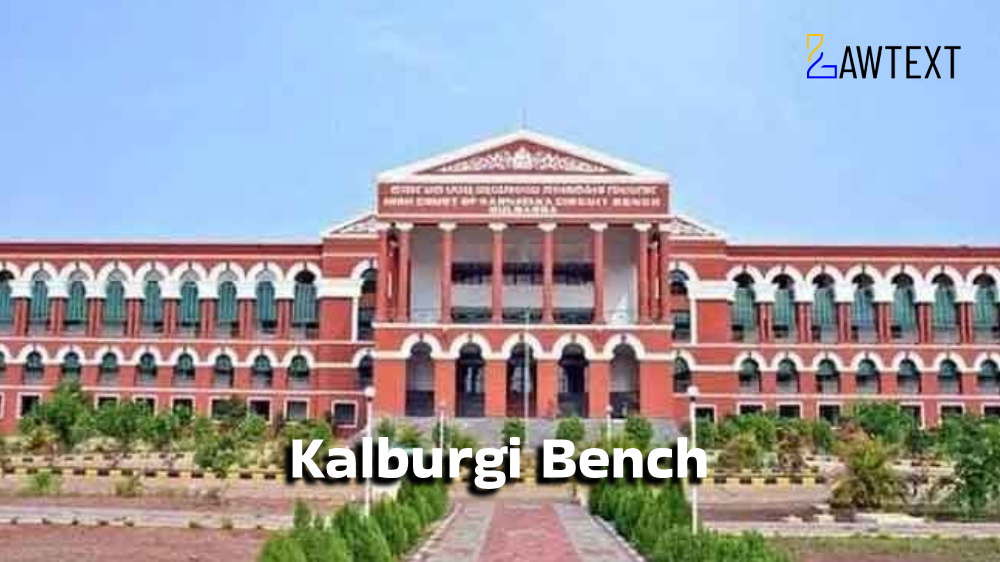
High Court: Karnataka High Court Bench: KALABURAGI
  • 202
Judgement Image
Font size:
Print

Case Note & Summary

The appellant, Chandrakala, contested the Gram Panchayat election for Ward No.6 of Degalmadi Gram Panchayat. On 30.12.2020, the Returning Officer (respondent No.3) counted the votes and found that both the appellant and respondent No.5 (Eramma) had secured 349 votes each. The Returning Officer then exercised his power under Rule 73 of the Karnataka Panchayat Raj (Conduct of Election) Rules, 1993, and declared respondent No.5 as the returned candidate by drawing lots. The appellant submitted representations dated 30.12.2020 and 05.01.2021 to the Deputy Commissioner and Returning Officer, alleging irregularities in the counting and lot-drawing process. When no action was taken, she filed a writ petition (W.P.No.200061/2021) before the High Court seeking a writ of mandamus to direct the authorities to consider her representations. The learned Single Judge dismissed the writ petition on 26.07.2021, holding that the appellant had an alternative remedy by way of an election petition. Aggrieved, the appellant filed this intra-court writ appeal. The Division Bench upheld the Single Judge's order, noting that the Returning Officer had acted within his powers under Rule 73 and that disputed questions of fact regarding the election process cannot be adjudicated in writ proceedings. The court emphasized that the proper remedy is to file an election petition under the Karnataka Panchayat Raj Act, 1993. The appeal was dismissed, and the appellant was granted liberty to pursue an election petition if she so desired.

Headnote

A) Election Law - Tie-breaker - Rule 73 of Karnataka Panchayat Raj (Conduct of Election) Rules, 1993 - Returning Officer's Power - When two candidates secure equal number of votes, the Returning Officer is empowered to determine the result by drawing lots. The appellant challenged the declaration of respondent No.5 as the returned candidate after a tie. The court held that the Returning Officer acted within his powers under Rule 73 and the appellant's remedy lies in an election petition, not a writ petition. (Paras 2-5)

B) Constitutional Law - Writ Jurisdiction - Alternative Remedy - Article 226 of Constitution of India - The court held that disputed questions of fact regarding the conduct of election, including the drawing of lots, cannot be adjudicated in writ proceedings. The proper remedy is to file an election petition under the Karnataka Panchayat Raj Act, 1993. (Paras 4-5)

C) Election Law - Representation - Mandamus - The appellant sought a writ of mandamus to consider her representations alleging irregularities in the election process. The court held that such representations cannot be entertained after the declaration of result, as the election process is complete and the remedy lies elsewhere. (Paras 3-5)

Subscribe to unlock Headnote Subscribe Now

Issue of Consideration

Whether the Returning Officer's decision to draw lots under Rule 73 of the Karnataka Panchayat Raj (Conduct of Election) Rules, 1993, when two candidates secured equal votes, is valid and whether the High Court can interfere under Article 226 of the Constitution of India.

Subscribe to unlock Issue of Consideration Subscribe Now

Final Decision

The Division Bench dismissed the writ appeal, upholding the order of the learned Single Judge. The court held that the Returning Officer acted within his powers under Rule 73 of the Karnataka Panchayat Raj (Conduct of Election) Rules, 1993, and that disputed questions of fact regarding the election process cannot be adjudicated in writ proceedings. The appellant was granted liberty to file an election petition if she so desired.

Law Points

  • Election law
  • Tie-breaker
  • Rule 73
  • Drawing of lots
  • Returning Officer's discretion
  • Writ of mandamus
  • Alternative remedy
  • Election petition
Subscribe to unlock Law Points Subscribe Now

Case Details

2021 LawText (KAR) (12) 10

Writ Appeal No.200138/2021 (LB-ELE)

2021-12-15

R. Devdas, Rajendra Badamikar

Smt. Hema L Kulakarni (for appellant), Sri. Amaresh S. Roja (for R1 & R3), Sri. Shivakumar R. Tengli (for R2 & R4), Sri. V.K. Nayak (for R5)

Chandrakala W/o Jagannathreddy

The Karnataka State Election Commission, The Deputy Commissioner Cum District Election Officer, The Returning Officer, The Tahsildar, Smt. Eramma W/o Nagappa Rachoti

Subscribe to unlock Case Details (Citation, Judge, Date & more) Subscribe Now

Nature of Litigation

Intra-court writ appeal against dismissal of writ petition seeking mandamus to consider representations regarding election irregularities.

Remedy Sought

Appellant sought to set aside the order of the learned Single Judge and to issue a writ of mandamus directing respondent Nos.2 and 3 to consider her representations dated 30.12.2020 and 05.01.2021.

Filing Reason

Appellant alleged irregularities in the counting of votes and the drawing of lots by the Returning Officer, who declared respondent No.5 as the returned candidate after a tie.

Previous Decisions

The learned Single Judge dismissed W.P.No.200061/2021 on 26.07.2021, holding that the appellant had an alternative remedy by way of an election petition.

Issues

Whether the Returning Officer's decision to draw lots under Rule 73 of the Karnataka Panchayat Raj (Conduct of Election) Rules, 1993, when two candidates secured equal votes, is valid. Whether the High Court can entertain a writ petition under Article 226 of the Constitution of India when an alternative remedy of an election petition is available.

Submissions/Arguments

Appellant argued that the Returning Officer did not follow proper procedure while drawing lots and that her representations should be considered. Respondents contended that the Returning Officer acted within his powers under Rule 73 and that the appellant's remedy lies in an election petition, not a writ petition.

Ratio Decidendi

When two candidates secure equal number of votes in a Gram Panchayat election, the Returning Officer is empowered under Rule 73 of the Karnataka Panchayat Raj (Conduct of Election) Rules, 1993, to determine the result by drawing lots. Disputed questions of fact regarding the conduct of election cannot be adjudicated in writ proceedings under Article 226 of the Constitution of India; the proper remedy is to file an election petition under the Karnataka Panchayat Raj Act, 1993.

Judgment Excerpts

The Returning Officer exercised his powers under Rule 73 of the Karnataka Panchayat Raj (Conduct of Election) Rules, 1993 and declared respondent No.5 as the returned candidate. The learned Single Judge was of the opinion that the appellant has an alternative remedy of filing an election petition. We find no reason to interfere with the order of the learned Single Judge.

Procedural History

The appellant filed a writ petition (W.P.No.200061/2021) before the High Court of Karnataka seeking a writ of mandamus to consider her representations. The learned Single Judge dismissed the writ petition on 26.07.2021. The appellant then filed this intra-court writ appeal (W.A.No.200138/2021) before the Division Bench, which was dismissed on 15.12.2021.

Acts & Sections

  • Karnataka Panchayat Raj (Conduct of Election) Rules, 1993: Rule 73
  • Karnataka High Courts Act: Section 4
  • Constitution of India: Article 226
Subscribe to unlock full Legal Analysis Subscribe Now
Related Judgement
High Court Madras High Court Directs Release of Land from Development Plan Due to Lapse Under Section 38 of Tamil Nadu Town and Country Planning Act, 1971. Court Orders Consideration of Representation Treating 2008 Detailed Development Plan as Lapsed if No Acqu...
Related Judgement
High Court Bombay High Court Dismisses Interim Application in Suit for Declaration and Injunction — Dispute Over Ownership of Open Land Between Two Cooperative Housing Societies. Court holds that disputed property is not part of plaintiff society's layout and...





