Case Note & Summary
The appeal was filed by the owner of a school bus involved in a fatal accident. On 28.9.2015, the deceased Syed Wali was riding a motorcycle when the bus, driven rashly, hit him, causing his death. The claimants, dependents of the deceased, filed a claim petition. The insurer defended on the ground that the bus lacked a valid fitness certificate and permit on the date of accident, though the insurance policy was in force. The tribunal held the owner liable to pay compensation of Rs.6,18,000/- and directed the insurer to pay and recover from the owner. The owner appealed, arguing that the insurer should be directly liable. The court analyzed Section 149 of the Motor Vehicles Act, 1988, and relevant precedents. It held that the absence of fitness certificate or permit does not constitute a fundamental breach allowing the insurer to avoid third-party liability. The insurer is liable to indemnify the owner and pay compensation to the claimants, with a right to recover from the owner. The court dismissed the appeal, affirming the tribunal's award but clarifying that the insurer must pay the entire compensation and may recover from the owner.
Headnote
A) Motor Vehicles Act - Third Party Liability - Insurer's Liability - Section 149 - The court considered whether the insurer can avoid liability to third parties when the vehicle lacked a valid fitness certificate and permit. The court held that these are not fundamental breaches that would allow the insurer to avoid liability to third parties, as the insurance policy was in force and the accident occurred due to driver negligence. The insurer must pay compensation to the claimants and may recover from the owner. (Paras 1-10)
Issue of Consideration
Whether the insurer can avoid liability to third parties on the ground that the offending vehicle did not have a valid fitness certificate and permit at the time of the accident.
Final Decision
The appeal is dismissed. The judgment and award of the tribunal are confirmed. The insurer is directed to pay the entire compensation amount to the claimants and may recover the same from the owner in accordance with law.
Law Points
- Insurer's liability to third parties is not avoided by absence of fitness certificate or permit
- Motor Vehicles Act
- 1988
- Section 149
- third party liability
- fundamental breach
Case Details
2022 LawText (KAR) (07) 4
Miscellaneous First Appeal No. 202022/2016 (MV)
Sreenivas Harish Kumar, S. Rachaih
Sri Shivakumar Kalloor (Appellant), Sri Basavaraj R. Math (R1 & R2), Smt. Preeti Patil. Melkundi (R4)
Dr. Narasimulu Nandini Memorial Education Trust
Banu Begum, Malan Begum, Moula Husen, The New India Assurance Co. Ltd.
Subscribe to unlock Case Details (Citation, Judge, Date & more)
Subscribe Now
Nature of Litigation
Appeal against judgment and award in motor accident claim petition.
Remedy Sought
Appellant (owner of offending vehicle) sought to set aside the tribunal's award and dismiss the claim petition against him, or alternatively, to hold the insurer directly liable.
Filing Reason
The tribunal held the owner liable to pay compensation and directed the insurer to pay and recover from the owner. The owner appealed, contending that the insurer should be directly liable.
Previous Decisions
The II Addl. District and Sessions Judge at Raichur in MVC No. 586/2015 dated 5.10.2016 awarded compensation of Rs.6,18,000/- with interest, directing the insurer to pay and recover from the owner.
Issues
Whether the insurer can avoid liability to third parties on the ground that the offending vehicle did not have a valid fitness certificate and permit at the time of the accident.
Submissions/Arguments
Appellant argued that the insurer is liable to indemnify the owner as the policy was in force, and the absence of fitness certificate and permit does not absolve the insurer of third-party liability.
Insurer argued that since the vehicle was not roadworthy due to lack of fitness certificate and permit, it was not liable to indemnify the owner.
Ratio Decidendi
The absence of a valid fitness certificate or permit does not constitute a fundamental breach that allows the insurer to avoid liability to third parties under Section 149 of the Motor Vehicles Act, 1988. The insurer is liable to pay compensation to third parties and may recover the amount from the owner.
Judgment Excerpts
The owner of the offending vehicle having been saddled with the liability to pay compensation to the claimants, has preferred this appeal.
The tribunal computed the total compensation payable to the dependents at Rs.6,18,000/- with interest.
Procedural History
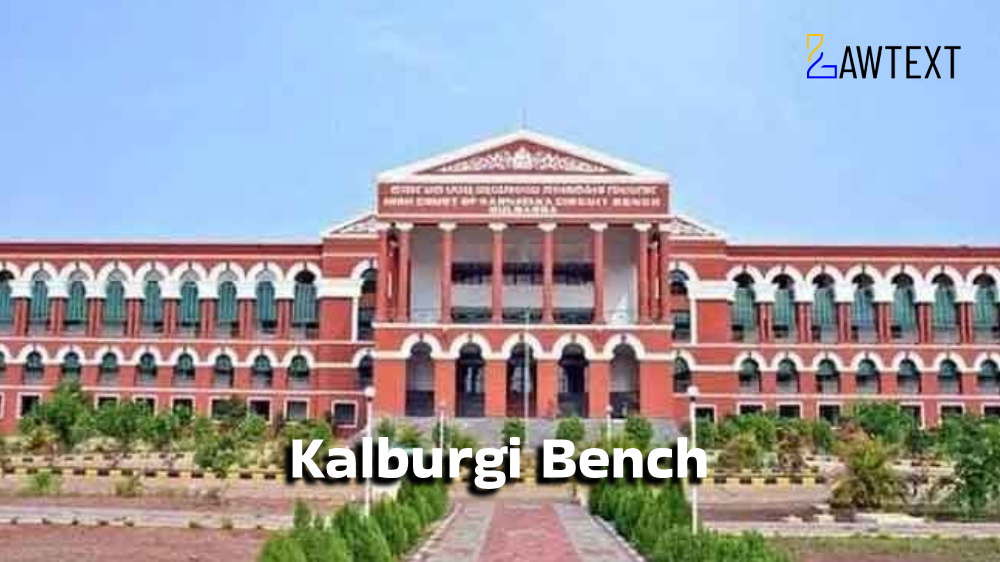
The claim petition MVC No. 586/2015 was filed before the II Addl. District and Sessions Judge at Raichur, which passed an award on 5.10.2016. The owner appealed to the High Court of Karnataka, Kalaburagi Bench, which heard the appeal and reserved judgment on 07.06.2022, pronouncing it on 08.07.2022.
Acts & Sections
- Motor Vehicles Act, 1988: Section 149, Section 173