
High Court of Karnataka Dismisses Employer's Writ Petition Against Gratuity Authority Orders Due to Statutory Time Bar. Appellate Authority Correctly Rejected Appeal Filed Beyond 120-Day Maximum Period Under Section 7(7) of Payment of Gratuity Act, 1972, as Special Statute Impliedly Excludes Section 5 of Limitation Act, 1963.

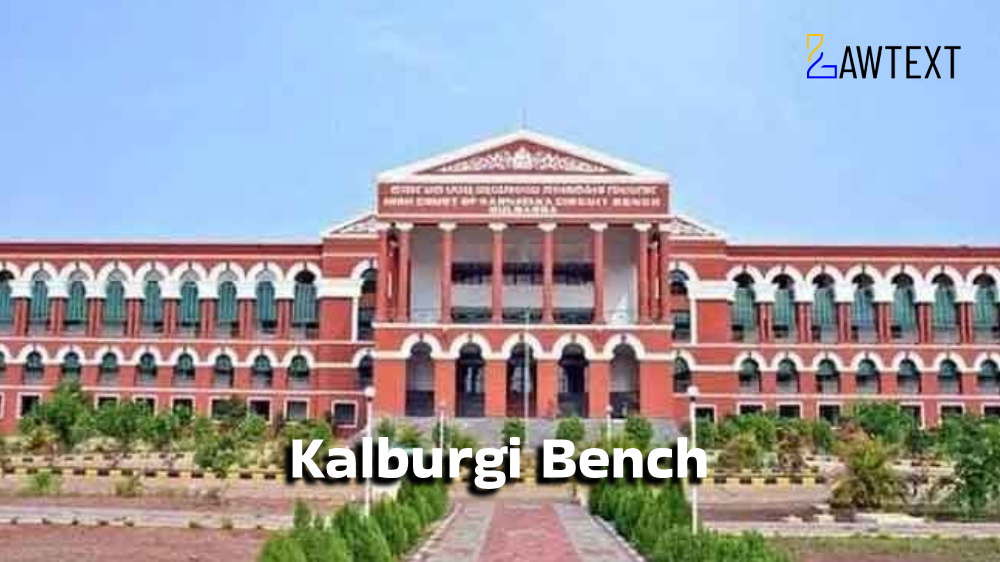
High Court: Karnataka High Court Bench: KALABURAGI
  • 15
Judgement Image
Font size:
Print

Case Note & Summary

The High Court of Karnataka at Kalaburagi Bench heard a writ petition filed by the Executive Engineer and Managing Director of KNNL against orders passed by authorities under the Payment of Gratuity Act, 1972. The petitioners sought to quash an order dated 16-12-2023 passed by the Appellate Authority (Assistant Labour Commissioner) and an order dated 16-12-2022 passed by the Controlling Authority (Labour Officer) regarding gratuity payment to the third respondent, a retired employee. The core legal issue was whether the Appellate Authority could condone delay in filing appeals beyond the 120-day period prescribed under Section 7(7) of the Payment of Gratuity Act. The petitioners argued through their advocate for quashing the impugned orders, while the respondents were represented by the Assistant Government Advocate. The court analyzed Section 7(7) of the Payment of Gratuity Act, which provides for a 60-day limitation period for appeals with a proviso allowing extension by a further 60 days upon showing sufficient cause, totaling 120 days maximum. The court examined whether Section 5 of the Limitation Act, 1963 could be invoked to condone further delay. Relying on Supreme Court precedents in Commissioner of Sales Tax U.P. Lucknow vs. Parson Tools and Plants, Kanpur and Singh Enterprises vs. Commissioner of Central Excise, Jamshedpur and Others, the court held that when a special statute prescribes a specific limitation period with a maximum extension limit, the appellate authority has no jurisdiction to entertain appeals filed beyond that maximum period. The court further held that Section 29(2) of the Limitation Act applies to special laws only to the extent not expressly excluded, and the proviso to Section 7(7) of the Payment of Gratuity Act impliedly excludes Section 5 of the Limitation Act. Since the appeal in question was filed beyond 120 days, the court upheld the Appellate Authority's dismissal of the appeal as not maintainable and consequently dismissed the writ petition.

Headnote

A) Labour Law - Payment of Gratuity - Limitation Period for Appeals - Payment of Gratuity Act, 1972, Section 7(7) - The petitioners challenged orders of the Appellate Authority and Controlling Authority regarding gratuity payment - The court examined whether the Appellate Authority could condone delay beyond 120 days for appeals under Section 7(7) - Held that the proviso to Section 7(7) restricts extension to only 60 days beyond the initial 60-day period, totaling 120 days maximum, and impliedly excludes Section 5 of Limitation Act (Paras 2-11).

B) Limitation Law - Special Statutes - Exclusion of Limitation Act Provisions - Limitation Act, 1963, Section 29(2) - The court considered applicability of Limitation Act to special statutes like Payment of Gratuity Act - Held that when a special law expressly or impliedly excludes provisions of Limitation Act, Section 29(2) does not apply - The proviso to Section 7(7) of Payment of Gratuity Act impliedly excludes Section 5 of Limitation Act (Paras 9-10).

C) Judicial Precedent - Statutory Interpretation - Restrictive Time Limits - Payment of Gratuity Act, 1972, Section 7(7) - The court relied on Supreme Court precedents interpreting restrictive limitation periods in special statutes - Cited Commissioner of Sales Tax U.P. Lucknow vs. Parson Tools and Plants, Kanpur and Singh Enterprises vs. Commissioner of Central Excise, Jamshedpur and Others - Held that appellate authorities cannot condone delay beyond statutorily prescribed maximum periods (Paras 5-8).

Issue of Consideration: Whether the Appellate Authority under Section 7(7) of the Payment of Gratuity Act, 1972 can condone the delay beyond the period of 120 days and entertain the appeal filed under Section 7(7) of the Act of 1972?

Final Decision

The Writ Petition is dismissed. The Appellate Authority was justified in dismissing the appeal filed beyond the period of 120 days as not maintainable.

2026 LawText (KAR) (03) 35

WRIT PETITION NO. 201246 OF 2024 (L-PG)

2026-03-17

S.Vishwajith Shetty J.

HC-KAR NC: 2026:KHC-K:2505

Sri Sudarshan M., Advocate for petitioners, Sri Viranagouda M. Biradar, AGA for R1 & R2

The Executive Engineer, KNNL, BLI Division, Afzalpur-585301, District Kalaburagi-585211, The Managing Director, KNNL, Vijaya Complex, Srinagar Cross, Haliyal Road, Dharwad-580003

The Assistant Labour Commissioner, Appellate Authority under the Payment of Gratuity Act 1972, Karmika Bhavana, ITI Compound, Bus Stand Road, Kalaburagi-585102, The Labour Officer and Controlling Authority, The Payment of Gratuity Act 1972, Karmika Bhavan, ITI Compound, Bus Stand Road, Kalaburagi-585102, Sri Habeeb Patel Rtd. SDA, No. 11-1041/34/F5, Iqbal Colony, MSK Mill Road, Kalaburagi-585103

Nature of Litigation: Writ Petition under Articles 226 and 227 of Constitution of India challenging orders of authorities under Payment of Gratuity Act, 1972

Remedy Sought

Petitioners sought to quash orders dated 16-12-2023 and 16-12-2022 passed by Appellate Authority and Controlling Authority respectively under Payment of Gratuity Act

Filing Reason

Challenging the Appellate Authority's order dismissing appeal as not maintainable due to delay beyond statutory limitation period

Previous Decisions

Appellate Authority dismissed appeal as not maintainable; Controlling Authority passed order regarding gratuity payment

Issues

Whether the Appellate Authority under Section 7(7) of the Payment of Gratuity Act, 1972 can condone the delay beyond the period of 120 days and entertain the appeal filed under Section 7(7) of the Act of 1972?

Ratio Decidendi

The Appellate Authority under Section 7(7) of the Payment of Gratuity Act, 1972 cannot condone delay beyond the total period of 120 days from the date of receipt of the order. The proviso to Section 7(7) restricts extension to only 60 days beyond the initial 60-day period and impliedly excludes Section 5 of the Limitation Act, 1963.

Judgment Excerpts

"(7) Any person aggrieved by an order under sub-section (4) may, within sixty days from the date of the receipt of the order, prefer an appeal to the appropriate Government or such other authority as may be specified by the appropriate Government in this behalf: Provided that the appropriate Government or the appellate authority, as the case may be, may, if it is satisfied that the appellant was prevented by sufficient cause from preferring the appeal within the said period of sixty days, extend the said period by a further period of sixty days." "Thus the principle that emerges is that if the legislature in a special statute prescribes a certain period of limitation for filing a particular application thereunder and provides in clear terms that such period on sufficient cause being shown, may be extended, in the maximum, only upto a specified time-limit and no further, then the tribunal concerned has no jurisdiction to treat within limitation, an application filed before it beyond such maximum time-limit specified in the statute..." "The Commissioner of Central Excise (Appeals) as also the Tribunal being creatures of statute are not vested with jurisdiction to condone the delay beyond the permissible period provided under the statute." "(2) Where any special or local law prescribes for any suit, appeal or application a period of limitation different from the period prescribed by the Schedule, the provisions of section 3 shall apply as if such period were the period prescribed by the Schedule and for the purpose of determining any period of limitation prescribed for any suit, appeal or application by any special or local law, the provisions contained in sections 4 to 24 (inclusive) shall apply only in so far as, and to the extent to which, they are not expressly excluded by such special or local law."

Procedural History

Writ Petition filed under Articles 226 and 227 of Constitution of India; came up for preliminary hearing before Single Judge; order passed dismissing the petition.

Related Judgement
High Court High Court of Karnataka Dismisses Employer's Writ Petition Against Gratuity Authority Orders Due to Statutory Time Bar. Appellate Authority Correctly Rejected Appeal Filed Beyond 120-Day Maximum Period Under Section 7(7) of Payment of Gratuity Act, 1...
Related Judgement
Supreme Court Supreme Court Partially Modifies Sentence for Rash and Negligent Driving Resulting in Death. Conviction upheld under IPC Sections 279 and 304(A), imprisonment replaced with compensation to the victim's family.





