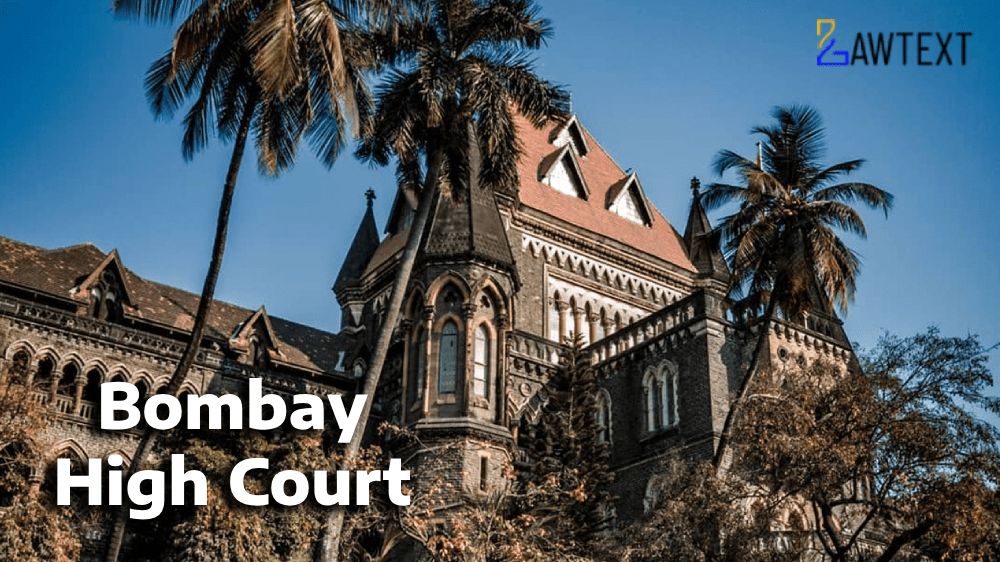
Bombay High Court Upholds Conviction for Murder in Dowry Death Case — Circumstantial Evidence Sufficient to Prove Guilt. Husband convicted under Section 302 IPC for murdering wife by setting her on fire; acquittal under Sections 498-A, 504, 506 IPC upheld.

High Court: Bombay High Court Bench: AURANGABAD In Favour of Prosecution
  • 5
Judgement Image
Font size:
Print

Case Note & Summary

The appellant, Dattatraya Bajirao Lagad, was convicted by the Additional Sessions Judge, Ahmednagar, for the murder of his wife Kavita under Section 302 of the Indian Penal Code, 1860, and sentenced to life imprisonment. He was acquitted of offences under Sections 498-A, 504, and 506 IPC. The prosecution case was that Kavita was married to the appellant on 4 May 2007, and after six months, the appellant and his parents started ill-treating her for a dowry demand of Rs.15,000. On the day of the incident, the appellant was last seen with Kavita in their house, and soon after, she was found with burn injuries. She succumbed to her injuries in the hospital. The dying declaration recorded by the Executive Magistrate implicated the appellant. The appellant appealed against the conviction. The High Court examined the circumstantial evidence, including the last seen theory, motive, and the dying declaration. The court found that the chain of circumstances was complete and pointed only to the guilt of the appellant. The dying declaration was reliable and corroborated by other evidence. The court upheld the conviction under Section 302 IPC and dismissed the appeal. The acquittal under Sections 498-A, 504, and 506 IPC was not challenged and was upheld.

Headnote

A) Criminal Law - Murder - Circumstantial Evidence - Last Seen Theory - Motive - Section 302 Indian Penal Code, 1860 - The appellant was convicted for murder of his wife based on circumstantial evidence including last seen together, motive of dowry demand, and dying declaration - The court held that the chain of circumstances was complete and pointed only to the guilt of the accused - The dying declaration was reliable and corroborated by other evidence (Paras 3-12).

B) Criminal Law - Dowry Death - Acquittal under Sections 498-A, 504, 506 IPC - Section 498-A, 504, 506 Indian Penal Code, 1860 - The trial court acquitted the appellant under these sections due to lack of evidence - The High Court upheld the acquittal as the prosecution failed to prove the ingredients beyond reasonable doubt (Para 1).

Subscribe to unlock Headnote Subscribe Now

Issue of Consideration

Whether the conviction of the appellant under Section 302 of the Indian Penal Code, 1860 based on circumstantial evidence is sustainable.

Subscribe to unlock Issue of Consideration Subscribe Now

Final Decision

Appeal dismissed; conviction under Section 302 IPC upheld; acquittal under Sections 498-A, 504, 506 IPC not interfered with.

Law Points

  • Circumstantial evidence
  • last seen theory
  • motive
  • dying declaration
  • Section 302 IPC
  • Section 498-A IPC
  • Section 504 IPC
  • Section 506 IPC
  • Indian Penal Code
  • 1860
Subscribe to unlock Law Points Subscribe Now

Case Details

2015 LawText (BOM) (10) 23

Criminal Appeal No. 214 of 2012 with Criminal Application No. 4352 of 2012

2015-10-16

A. B. Chaudhari, Indira K. Jain

Mr. R. M. Deshmukh, Mr. V. M. Chate for Appellant; Mr. A. S. Shinde, APP for Respondent

Dattatraya Bajirao Lagad

The State of Maharashtra

Subscribe to unlock Case Details (Citation, Judge, Date & more) Subscribe Now

Nature of Litigation

Criminal appeal against conviction for murder

Remedy Sought

Appellant sought acquittal from conviction under Section 302 IPC

Filing Reason

Appellant was convicted for murder of his wife based on circumstantial evidence

Previous Decisions

Trial court convicted appellant under Section 302 IPC and acquitted under Sections 498-A, 504, 506 IPC

Issues

Whether the conviction under Section 302 IPC based on circumstantial evidence is sustainable

Submissions/Arguments

Appellant argued that the dying declaration was not reliable and the circumstantial evidence was insufficient State argued that the dying declaration was credible and the chain of circumstances was complete

Ratio Decidendi

The chain of circumstantial evidence, including last seen together, motive, and dying declaration, was complete and pointed only to the guilt of the accused. The dying declaration was reliable and corroborated by other evidence.

Judgment Excerpts

This appeal is preferred by the sole Accused against the judgment and order dated 30th August, 2011, passed by the learned Additional Sessions Judge, Ahmednagar in Sessions Case No. 121 of 2010. By the said judgment and order learned Additional Sessions Judge convicted the Appellant under Section 302 of the Indian Penal Code and sentenced him to suffer imprisonment for life and to pay fine of Rs.2,000/-, in default rigorous imprisonment for six months.

Procedural History

The appellant was convicted by the Additional Sessions Judge, Ahmednagar on 30 August 2011 in Sessions Case No. 121 of 2010. He appealed to the High Court of Bombay, Bench at Aurangabad, which heard the appeal and dismissed it on 16 October 2015.

Acts & Sections

  • Indian Penal Code, 1860: 302, 498-A, 504, 506, 34
Subscribe to unlock full Legal Analysis Subscribe Now
Related Judgement
High Court Bombay High Court Upholds Conviction for Murder in Dowry Death Case — Circumstantial Evidence Sufficient to Prove Guilt. Husband convicted under Section 302 IPC for murdering wife by setting her on fire; acquittal under Sections 498-A, 504, 506 IPC...
Related Judgement
High Court Bombay High Court Dismisses Writ Petition Challenging Rejection of Temporary Injunction in Partition Suit. Refusal of Injunction Does Not Cause Failure of Justice as Suit Can Proceed for Final Adjudication.