
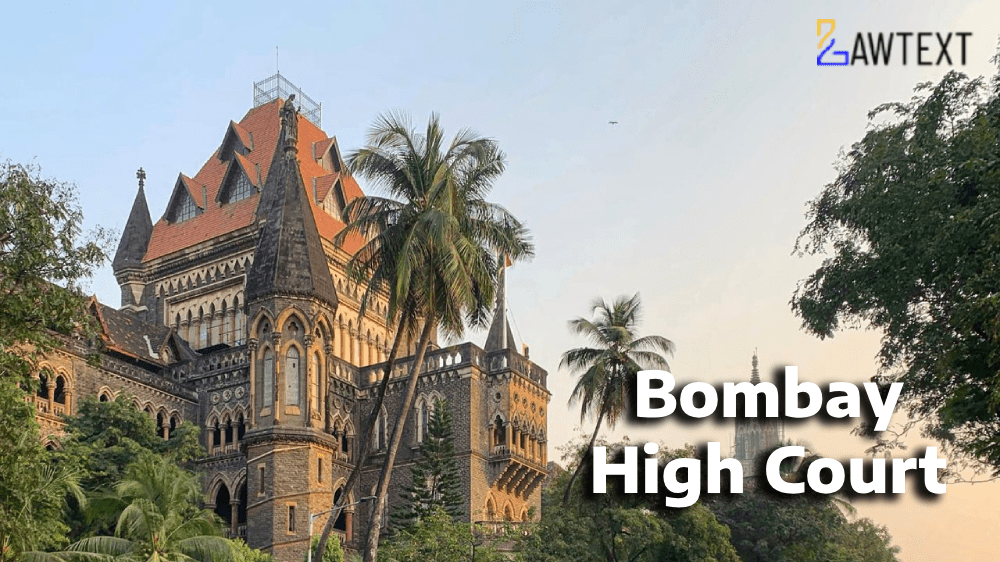
Bombay High Court Acquits Husband and Father-in-law in Dowry Death Case Due to Inconsistent Evidence and Lack of Specific Allegations. Conviction under Sections 498-A and 304-B IPC Set Aside as Prosecution Failed to Prove Demand of Dowry and Cruelty Beyond Reasonable Doubt.

High Court: Bombay High Court In Favour of Accused
  • 455
Judgement Image
Font size:
Print

Case Note & Summary

The case involves an appeal against the conviction of Pravin Babanrao Yawle (husband) and Babanrao Govindrao Yawle (father-in-law) for offences under Sections 498-A and 304-B read with Section 34 of the Indian Penal Code, 1860, by the Additional Sessions Judge, Achalpur. The deceased, Pooja, married appellant No.1 on 10th February 2011. After initial good treatment, the prosecution alleged that the accused demanded Rs.50,000 as dowry and subjected Pooja to cruelty due to non-payment. On 1st August 2013, Pooja died from burn injuries. The informant (PW-2, mother) lodged a report, leading to the registration of Crime No.194/2013. The trial court convicted the appellants but acquitted two other accused (brother-in-law and mother-in-law). The appellants challenged the conviction. The High Court found that the allegations in the report and evidence were omnibus and vague, with no specific role attributed to each accused. The evidence of key witnesses (PW-1, PW-2, PW-4, PW-6) contained inconsistencies regarding the settlement meeting and the timing of dowry demands. The court noted that the appellants had sustained burn injuries while trying to extinguish the fire, and the deceased was taken to the hospital by them. The prosecution failed to establish the nexus between the death and the alleged cruelty. The court held that the presumption under Section 113B of the Indian Evidence Act, 1872, was rebutted due to lack of foundational facts. Consequently, the appeal was allowed, the conviction and sentence were set aside, and the appellants were acquitted.

Headnote

A) Criminal Law - Dowry Death - Section 304-B IPC - Presumption under Section 113B Evidence Act - The court examined whether the presumption of dowry death under Section 113B of the Indian Evidence Act, 1872, stood rebutted. Held that the presumption is rebuttable and the prosecution must first establish the foundational facts of demand of dowry and cruelty soon before death. In this case, the evidence was inconsistent and omnibus, failing to prove the essential ingredients, thereby rebutting the presumption. (Paras 10-14)

B) Criminal Law - Cruelty by Husband or Relatives - Section 498-A IPC - Specific Allegations - The court considered whether vague and omnibus allegations of cruelty and dowry demand, without attributing specific roles to each accused, can sustain a conviction under Section 498-A IPC. Held that such allegations are insufficient, especially when co-accused are acquitted on the same evidence, leading to a reasonable doubt. (Paras 10-13)

C) Evidence Law - Appreciation of Evidence - Inconsistencies and Discrepancies - The court analyzed the testimonies of prosecution witnesses (PW-1, PW-2, PW-4, PW-6) and found material inconsistencies regarding the settlement meeting and the timing of dowry demands. Held that these discrepancies create reasonable doubt, entitling the accused to the benefit of doubt. (Paras 10-14)

Subscribe to unlock Headnote Subscribe Now

Issue of Consideration

Whether the conviction of the appellants under Sections 498-A and 304-B read with Section 34 of the Indian Penal Code, 1860, based on the evidence of the prosecution, is sustainable in law.

Subscribe to unlock Issue of Consideration Subscribe Now

Final Decision

Appeal allowed. Conviction and sentence set aside. Appellants acquitted of all charges.

Law Points

  • Presumption under Section 113B of Evidence Act is rebuttable
  • Omnibus and vague allegations insufficient for conviction under Section 304-B IPC
  • Inconsistencies in witness testimony create reasonable doubt
  • Acquittal of co-accused on same evidence weakens case against convicted accused

Subscribe to unlock Law Points Subscribe Now

Case Details

2024 LawText (BOM) (8) 286

Criminal Appeal No. 01 of 2022

2024-08-21

G. A. Sanap

Mr. Parvez W. Mirza for the Appellants, Mrs. H. S. Dhande for the Respondent/State

Pravin Babanrao Yawle and Babanrao Govindrao Yawle

State of Maharashtra

Subscribe to unlock Case Details (Citation, Judge, Date & more) Subscribe Now

Nature of Litigation

Criminal appeal against conviction for dowry death and cruelty

Remedy Sought

Appellants sought setting aside of conviction and sentence under Sections 498-A and 304-B IPC

Filing Reason

Appellants were convicted by the trial court and challenged the judgment

Previous Decisions

Trial court convicted appellants and acquitted two other accused

Issues

Whether the prosecution proved the demand of dowry and cruelty soon before death beyond reasonable doubt Whether the presumption under Section 113B of the Evidence Act was properly applied Whether the inconsistencies in witness testimony warrant acquittal

Submissions/Arguments

Appellants argued that allegations were omnibus and vague, evidence inconsistent, and co-accused acquitted on same evidence Respondent argued that evidence of mother, maternal uncle, and grandfather was consistent and presumption under Section 113B was attracted

Ratio Decidendi

For a conviction under Section 304-B IPC, the prosecution must establish that the deceased was subjected to cruelty or harassment by the accused soon before her death in connection with a demand for dowry. Omnibus and vague allegations, without specific attribution of roles, and inconsistencies in witness testimony create reasonable doubt. The presumption under Section 113B of the Evidence Act is rebuttable and does not arise if foundational facts are not proved. In this case, the evidence failed to meet the required standard, entitling the accused to acquittal.

Judgment Excerpts

In my view, all these facts are required to be borne in mind while appreciating the evidence. It is seen on perusal of the report that omnibus and vague allegations have been made in the report. Perusal of the evidence of the material witnesses, namely PW-1, PW-2, PW-4, and PW-6, would show that there are inconsistencies and discrepancies in their evidence on the material part of the incident.

Procedural History

The trial court convicted the appellants on 29.11.2021. The appellants filed Criminal Appeal No. 01 of 2022 before the Bombay High Court, Nagpur Bench, which was heard and decided on 21.08.2024.

Acts & Sections

  • Indian Penal Code, 1860: 498-A, 304-B, 34
  • Indian Evidence Act, 1872: 113B
Subscribe to unlock full Legal Analysis Subscribe Now
Related Judgement
High Court High Court Dismisses Civil Revision Application Challenging Rejection of Plaint Under Order VII Rule 11 CPC. The court upheld the Trial Court's decision, finding that objections based on Order II Rule 2 CPC, want of cause of action, and limitation re...
Related Judgement
High Court High Court of Karnataka Quashes Section 498A IPC Charge Against Husband in Matrimonial Dispute, Allows Wife's Writ for Further Investigation into Unnatural Offences and Cyber Crimes. Court holds that continuation of proceedings under Section 498A IPC...




