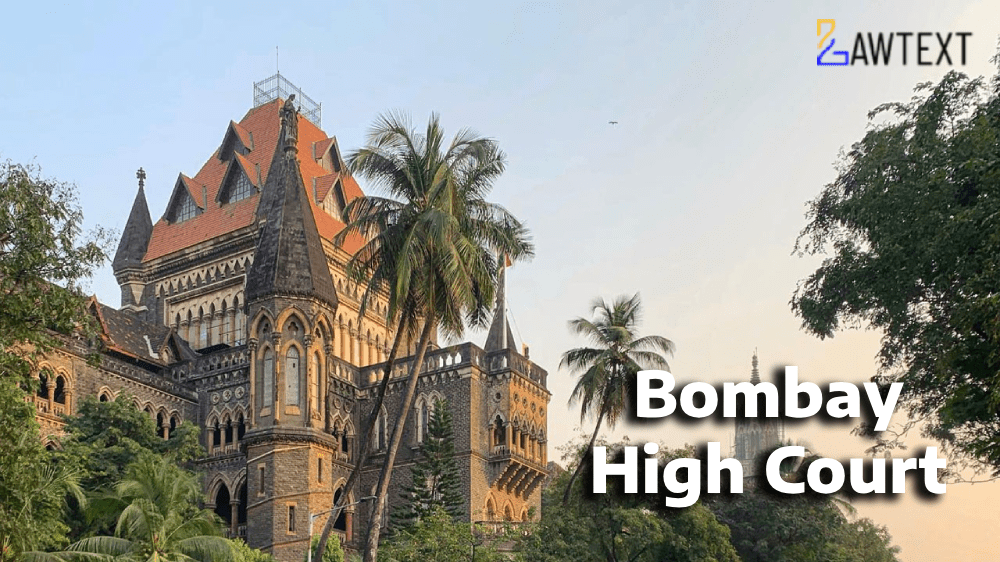
Case Note & Summary
This judgment deals with a batch of appeals and writ petitions before the High Court of Judicature at Bombay involving a common question of territorial jurisdiction under the Maharashtra Recognition of Trade Unions & Prevention of Unfair Labour Practices Act, 1971 (MRTU Act). The lead matter is Appeal No. 585 of 2009, filed by an employee, Manish Ashok Badkas, against M/s. Novartis India Ltd., along with several connected writ petitions filed by trade unions and employees against various pharmaceutical and healthcare companies such as Wockhardt, Lupin, Rallis, and Piramal. The core dispute concerned whether Labour and Industrial Courts in Maharashtra could entertain complaints of unfair labour practices when the employer had its registered or head office in Maharashtra (primarily Mumbai) but the affected employee was posted or transferred to a place outside the State. The employees and unions argued that the decisions regarding their employment, including transfers and terminations, were taken at the head office in Mumbai, and appointment, transfer, or termination letters were issued from there, thereby giving rise to a substantial part of the cause of action in Maharashtra. They contended that the earlier Division Bench ruling in GlaxoSmithKline Pharmaceuticals Ltd. v. Abhay Raj Jain, which held that the situs of the employee is the exclusive test for determining territorial jurisdiction under the MRTU Act, had been expressly or impliedly overruled by two subsequent Supreme Court decisions: Nandram v. Garware Polyester Limited, (2016) 6 SCC 290, and Rakesh Kumar Verma v. HDFC Bank Ltd., 2025 SCC OnLine SC 752. The employers, on the other hand, maintained that the cause of action arose only at the employee's place of posting or where the effect of the decision was felt, that the MRTU Act had no extraterritorial application, and that the GlaxoSmithKline decision remained good law and was not overruled by the Supreme Court cases which were factually distinguishable. The employers also argued that since the decision in GlaxoSmithKline was not specifically referred to in Nandram, there could be no question of overruling. Given the conflict, the normal judicial protocol would have required a reference to a larger Bench, but the employees urged the Division Bench to first consider the issue of implied overruling, as a reference would further delay the adjudication on merits. The Court, after hearing all parties, observed that the issue of express or implied overruling needed consideration before deciding whether to refer the matter. The judgment essentially reserved its decision on this preliminary point and took up all connected matters for final disposal together. The proceedings highlighted the tension between the established view of the High Court and the potential impact of later Supreme Court pronouncements on the jurisdictional question, with significant implications for labour litigation in Maharashtra.
Headnote
A) Labour Law – Territorial Jurisdiction – Determination of Cause of Action for Unfair Labour Practice Complaints – Maharashtra Recognition of Trade Unions & Prevention of Unfair Labour Practices Act, 1971 – The Court considered whether Labour/Industrial Courts in Maharashtra have territorial jurisdiction over complaints where the employer's registered/head office is in Maharashtra but the employee is posted outside the State – Employees contended that employment decisions, including transfer and termination, were made from the Maharashtra office and letters were issued from there, giving rise to a substantial part of the cause of action within the State (Paras 4-5). Employers contended that the situs of the employee is the sole factor and that the cause of action arises only where the effect of the decision is felt (Paras 7-8).
B) Labour Law – Judicial Precedent – Implied Overruling of Division Bench Decision by Supreme Court Judgments – Constitution of India, Article 141 – Employees argued that the Division Bench decision in GlaxoSmithKline Pharmaceuticals Ltd. v. Abhay Raj Jain, which held that the employee's situs governs territorial jurisdiction under the MRTU Act, stands expressly or impliedly overruled by Nandram v. Garware Polyester Limited (2016) 6 SCC 290 and Rakesh Kumar Verma v. HDFC Bank Ltd. 2025 SCC OnLine SC 752 (Paras 6, 10). The Court observed that it must consider whether these Supreme Court decisions overrule GlaxoSmithKline, rather than automatically referring the matter to a larger Bench (Para 11).
C) Judicial Procedure – Coordinate Bench Decision – Reference to Larger Bench – High Court Rules – Normally, when a coordinate Bench decision is doubted, the matter is referred to a larger Bench; however, if the earlier decision has been impliedly overruled by subsequent Supreme Court judgments, the coordinate Bench may proceed to consider the matter without reference (Paras 9-10). The Court noted that the issue of express or implied overruling requires consideration (Para 11).
Issue of Consideration
Whether the Labour/Industrial Courts in Maharashtra have territorial jurisdiction to entertain complaints of unfair labour practices under the MRTU Act where the employer's registered/head office is in Maharashtra but the employee is posted outside the State; and whether the Division Bench decision in GlaxoSmithKline Pharmaceuticals Ltd. v. Abhay Raj Jain, which held that the employee's situs is the sole governing factor, stands expressly or impliedly overruled by subsequent Supreme Court decisions
Final Decision
The Court reserved judgment after hearing all parties on the preliminary issue of territorial jurisdiction and the validity of the GlaxoSmithKline precedent. The Court noted that it must consider whether GlaxoSmithKline has been impliedly overruled, rather than automatically referring the matter to a larger Bench, and took up all matters for final disposal. No final order was pronounced in the provided text.
Law Points
- territorial jurisdiction
- unfair labour practices
- cause of action
- situs of employee
- substantial part of cause of action
- implied overruling
- coordinate bench
- reference to larger bench
Case Details
2025 LawText (BOM) (11) 21
Appeal No. 585 of 2009 in Writ Petition No. 2007 of 2009 with Writ Petition Nos. 433 of 2015, 798 of 2008, 1643 of 2010, 2477 of 2010, 2893 of 2015
M.S. Sonak, Advait M. Sethna
Mr. Mayuresh Nagle a/w Mr. Rajvardhan S. Rane, for the Appellant in App/585/2009 and for the Petitioner in WP/1643/2010, WP/2477/2010; Ms. Jane Cox a/w Mr. Vinayak Suthar i/by Mr. Manmohan A. Amonkar, for the Petitioner in WP/433/2015, WP/2893/2015; Mr. R. D. Bhat, for the Petitioner in WP/798/2008; Mr. Avinash Jalisatgi a/w Mr. Piyush Shah, Mr. Satish Hegde, Mr. Mulanshu Vora, for the Respondent in APP/585/2009; Mr. V. P. Sawant, Senior Advocate a/w Mr. R. V. Paranjape, Mr. T. R. Yadav, for the Respondent in WP/433/2015, WP/798/2008; Mr. V. P. Sawant, Senior Advocate a/w Ms. N. R. Patankar, for the Respondent in WP/2893/2015; Mr. J. P. Cama, Senior Counsel a/w Mr. T. R. Yadav, for Respondent in WP/1643/2010; Mr. Anand Pai a/w Mr. Vipul Patel i/by Haresh Mehta & Co., for the Respondent No. 1 in WP/2477/2010; Mr. Vijay Vaidya a/w Mr. Vipul Patel i/by Haresh Mehta & Co., for the Respondent Nos. 1, 2 & 5 in WP/2893/2015
Shri. Manish Ashok Badkas
1. M/s. Novartis India Ltd., 2. The Managing Director, M/s. Novartis India Ltd.
Subscribe to unlock Case Details (Citation, Judge, Date & more)
Subscribe Now
Nature of Litigation
Determination of territorial jurisdiction of Labour/Industrial Courts in Maharashtra under the MRTU Act in cases where employer's registered/head office is in Maharashtra but employee is posted outside the State and complaints of unfair labour practices are filed.
Remedy Sought
The employees/unions seek a declaration that the Labour/Industrial Courts in Maharashtra have territorial jurisdiction to entertain their complaints of unfair labour practices, and that the earlier Division Bench decision in GlaxoSmithKline should not bar jurisdiction as it stands overruled by subsequent Supreme Court decisions.
Filing Reason
The employers raised objections to territorial jurisdiction based on the GlaxoSmithKline decision; the employees/unions challenged those objections by filing appeals and writ petitions.
Previous Decisions
Not mentioned in the provided text, but the matters originated from orders in a writ petition and other proceedings before Single Judges, and were consolidated before the Division Bench.
Issues
Whether the decision of the Division Bench in GlaxoSmithKline Pharmaceuticals Ltd. v. Abhay Raj Jain, holding that the situs of the employee solely determines territorial jurisdiction under the MRTU Act, stands expressly or impliedly overruled by subsequent Supreme Court decisions in Nandram v. Garware Polyester Limited and Rakesh Kumar Verma v. HDFC Bank Ltd.
Whether the Labour/Industrial Courts in Maharashtra have territorial jurisdiction to entertain complaints of unfair labour practices where the employer's registered office is in Maharashtra but the employee is posted outside the State.
Submissions/Arguments
Employees/unions argued that employment was controlled from the employer's registered/head office in Maharashtra, where decisions regarding transfer and termination were made, and appointment, transfer, or termination letters were issued/dispatched from Maharashtra, thus a substantial part of the cause of action arose in Maharashtra.
Employees/unions argued that the Division Bench view in GlaxoSmithKline, emphasizing the situs of the employee, stands expressly or impliedly overruled by at least two subsequent Supreme Court decisions, Nandram v. Garware Polyester Limited and Rakesh Kumar Verma v. HDFC Bank Ltd.
Employers argued that the cause of action arises exclusively at the employee's situs because the effect of the transfer or termination is felt there, and if the place of posting and the place of transfer/termination are both outside Maharashtra, no part of the cause of action arises in Maharashtra.
Employers argued that the MRTU Act applies only within Maharashtra and has no extra-territorial application, and that the GlaxoSmithKline decision remains good law and is distinguishable from Nandram on facts.
Judgment Excerpts
These matters concern the determination of territorial jurisdiction of Labour/Industrial Courts in Maharashtra to entertain complaints of unfair labour practices alleged to be perpetrated by employers who have their registered/ head / administrative offices within the State of Maharashtra upon the employees posted at and transferred to place/s outside the State of Maharashtra in the context of the provisions of the Maharashtra Recognition of Trade Unions & Prevention of Unfair Labour Practices Act, 1971 [“MRTU Act”].
The employees/Unions contend that the contrary view of the Division Bench of this Court in GlaxoSmithKline Pharmaceuticals Ltd. Vs. Abhay Raj Jain and Ors., that the situs of the employee is the sole governing factor to determine territorial jurisdiction in such matters under the MRTU Act, stands expressly, or in any event impliedly overruled by at least two subsequent decisions of the Hon’ble Supreme Court, in the cases of Nandram Vs. Garware Polyester Limited, and Rakesh Kumar Verma Vs. HDFC Bank Ltd.
The employers maintain that the cause of action in such matters arises exclusively at the employee's situs because the effect of the transfer or termination befalls the employee there.
The employers maintain that the Division Bench’s view in GlaxoSmithKline, emphasizing the situs of the employee, continues to represent the correct legal position, and the Hon’ble Supreme Court’s decision in Nandram was distinguishable on facts.
Typically, where a doubt is cast upon the decision of a coordinate Bench of coequal strength, the normal protocol is to propose a reference to a larger Bench.
The issue of express or implied overruling needs consideration.
Procedural History
Appeal No. 585 of 2009, arising from a writ petition, was assigned to a Division Bench. Connected Writ Petitions were assigned to a Single Judge but were placed before this Bench by an Administrative Order. With the consent of all parties, all matters were taken up for final hearing together. The Court heard submissions from both sides and reserved judgment on the preliminary issue of whether the GlaxoSmithKline precedent had been overruled and on the question of territorial jurisdiction.
Acts & Sections
- Maharashtra Recognition of Trade Unions & Prevention of Unfair Labour Practices Act, 1971: