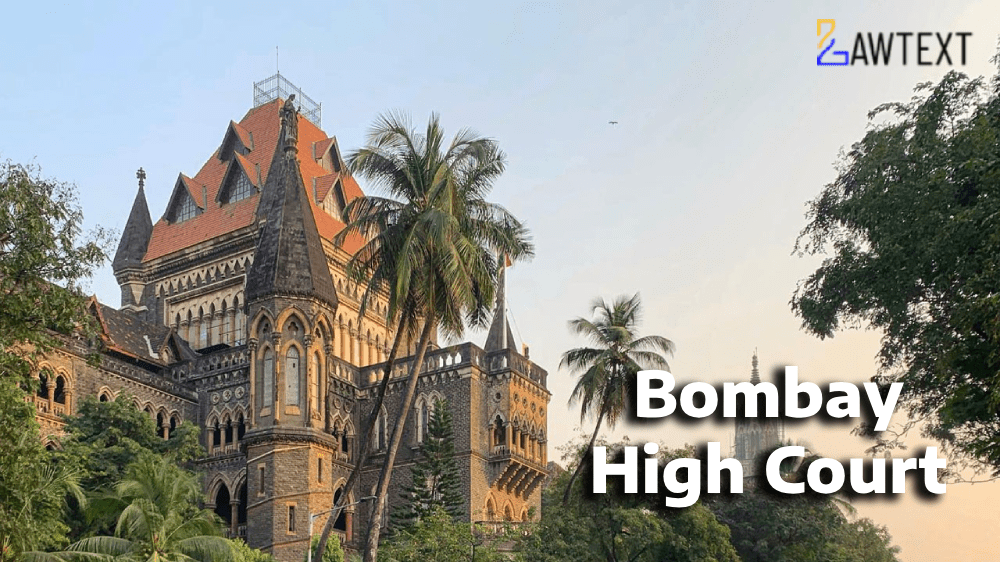
Bombay High Court Upholds Revenue Nature of Settlement Charges and Legal Expenses in Consent Decree — Expenditure Incurred to Remove Obstruction in Business Held Deductible Under Income Tax Act, 1961. The court held that payments made to settle litigation and remove a hindrance in the conduct of business are revenue expenditure, not capital, as the assessee already owned the business and premises.

High Court: Bombay High Court Bench: BOMBAY In Favour of Accused
  • 108
Judgement Image
Font size:
Print

Case Note & Summary

The case involved a reference under Section 256(1) of the Income Tax Act, 1961, at the instance of the Revenue, challenging the Tribunal's decision to allow deduction of settlement charges and legal expenses incurred by the assessee, M/s. Airlines Hotel Pvt. Ltd. The assessee owned and operated a hotel, and in 1976, it entered into an agreement with Jairam N. Shetty to manage the bar and restaurant for a monthly royalty of Rs.8,500. The agreement was for 15 years with a renewal option. In 1979, disputes arose leading to litigation in the City Civil Court, culminating in a consent decree on 23 April 1983. Under the consent terms, the assessee paid Rs.10 lakhs, including Rs.5,50,750 as settlement charges, and incurred legal expenses of Rs.1,65,500. The assessee claimed these as revenue deductions, which were disallowed by the departmental authorities but allowed by the Tribunal. The Revenue argued that the payment secured vacant possession, constituting a benefit of enduring nature, hence capital expenditure. The assessee contended that the payment removed an obstruction in the conduct of its business, which it had always owned, and was a matter of commercial expediency. The High Court analyzed the agreement, noting that the assessee retained ownership of the business, licences, and premises, and the conductor was merely a licensee. The court held that the expenditure was to remove a hindrance in the running of the business, not to acquire a new asset or enduring benefit. The consent decree restored the assessee's ability to conduct its business, and the payment was for commercial expediency. Therefore, the expenditure was revenue in nature. The court answered the question in the affirmative, in favor of the assessee, and against the Revenue.

Headnote

A) Income Tax - Revenue vs Capital Expenditure - Settlement Charges and Legal Expenses - Income Tax Act, 1961, Section 256(1) - The assessee paid settlement charges and legal expenses to remove a conductor's obstruction in the conduct of its hotel business. The court held that the expenditure was incurred to remove a hindrance in the running of the business and was a matter of commercial expediency, thus revenue in nature. The benefit obtained was not of an enduring nature as the assessee already owned the premises and the business. (Paras 1-5)

B) Income Tax - Deductibility of Legal Expenses - Income Tax Act, 1961, Section 256(1) - Legal expenses incurred to defend or remove an obstruction in the conduct of business are deductible as revenue expenditure. The court upheld the Tribunal's decision allowing deduction of legal expenses of Rs.1,65,500/- as they were directly related to the business operations. (Paras 1-5)

Subscribe to unlock Headnote Subscribe Now

Issue of Consideration

Whether settlement charges of Rs.5,50,750/- and legal expenses of Rs.1,65,500/- incurred by the assessee for obtaining a consent decree are revenue expenditure or capital expenditure.

Subscribe to unlock Issue of Consideration Subscribe Now

Final Decision

The High Court answered the question in the affirmative, holding that the Tribunal was right in law in deleting the settlement charges and legal expenses. The expenditure was revenue in nature and deductible.

Law Points

  • Revenue expenditure
  • capital expenditure
  • enduring benefit
  • commercial expediency
  • deduction under Income Tax Act
  • 1961
Subscribe to unlock Law Points Subscribe Now

Case Details

2012 LawText (BOM) (03) 113

Income Tax Reference No. 102 of 1995

2012-03-30

Dr. D.Y. Chandrachud, M.S. Sanklecha

Mr. Vimal Gupta for the Applicant, Ms. Aasifa Khan i/b Mr. K.B. Bhujle & Mr. Atul Jasani for the Respondent

Commissioner of Income-tax, Bombay City-IV, Bombay

M/s. Airlines Hotel Pvt. Ltd.

Subscribe to unlock Case Details (Citation, Judge, Date & more) Subscribe Now

Nature of Litigation

Income tax reference under Section 256(1) of the Income Tax Act, 1961, regarding deductibility of settlement charges and legal expenses.

Remedy Sought

The Revenue sought an opinion from the High Court on whether the Tribunal was correct in allowing deduction of settlement charges and legal expenses.

Filing Reason

The Revenue challenged the Tribunal's decision allowing deduction of Rs.5,50,750 as settlement charges and Rs.1,65,500 as legal expenses incurred by the assessee in obtaining a consent decree.

Previous Decisions

The departmental authorities disallowed the deduction, but the Income Tax Appellate Tribunal allowed it.

Issues

Whether settlement charges of Rs.5,50,750 and legal expenses of Rs.1,65,500 incurred by the assessee for obtaining a consent decree are revenue expenditure or capital expenditure.

Submissions/Arguments

Revenue: The payment secured vacant possession, constituting a benefit of enduring nature, hence capital expenditure. Assessee: The payment removed an obstruction in the conduct of its business, which it already owned, and was a matter of commercial expediency, hence revenue expenditure.

Ratio Decidendi

Expenditure incurred to remove an obstruction in the conduct of an existing business, where the assessee already owns the business and premises, is revenue in nature as it does not bring into existence an enduring benefit but merely facilitates the smooth running of the business. Commercial expediency justifies such deduction.

Judgment Excerpts

Under the consent terms, the assessee paid a total sum of Rs.10 lakhs to the conductor of the business inclusive of Rs.5,50,750/- which was treated as settlement charges. The assessee also incurred legal expenses of Rs.1,65,500/-. The assessee’s claim for deduction of these two items was disallowed by the departmental authorities, but was allowed in appeal by the Tribunal. The expenditure was of a revenue nature and was laid out for the purpose of the business. The assessee could remove the hindrance and obstruction in the conduct of the business in the premises by payment of the settlement amount.

Procedural History

The assessee claimed deduction for settlement charges and legal expenses. The Assessing Officer disallowed the claim. The Commissioner of Income Tax (Appeals) confirmed the disallowance. The Income Tax Appellate Tribunal allowed the deduction. The Revenue filed a reference under Section 256(1) of the Income Tax Act, 1961 to the High Court.

Acts & Sections

  • Income Tax Act, 1961: 256(1)
Subscribe to unlock full Legal Analysis Subscribe Now
Related Judgement
High Court Bombay High Court Allows Second Appeal in Mortgage Redemption Suit — Finds Trial Court Erred in Holding Transaction as Mortgage by Conditional Sale. Document dated 15.7.1966 construed as out-and-out sale based on absence of debt and right of redemp...
Related Judgement
High Court Bombay High Court Quashes Criminal Proceedings Against Doctor in Medical Negligence Case — No Prima Facie Case of Rash or Negligent Act Under Section 304A IPC. The court held that mere negligence or error of judgment does not constitute criminal ne...