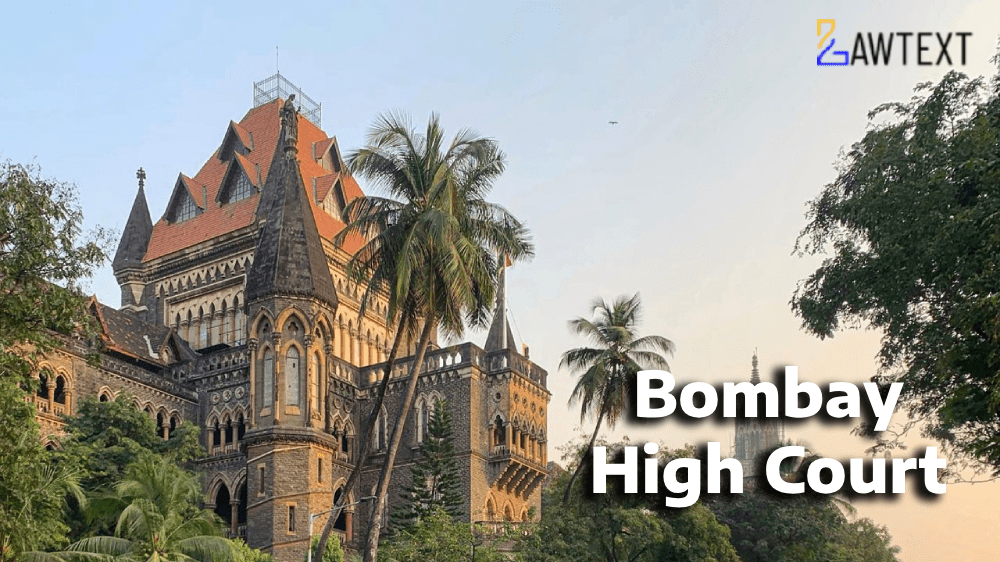
Bombay High Court Allows Suo Motu Public Interest Litigation Concerning Civic Issues Near Nagpur Railway Station. Court Holds Unhygienic Conditions and Traffic Chaos Violate Right to Life Under Article 21, Issues Directions to Municipal and Police Authorities.

High Court: Bombay High Court Bench: NAGPUR
  • 2
Judgement Image
Font size:
Print

Case Note & Summary

Background: This public interest litigation was initiated suo motu by the High Court of Judicature at Bombay, Nagpur Bench, following news reports in a local daily highlighting the deplorable conditions around Nagpur Railway Station. The court took cognizance of the issues affecting the right to life of citizens under Article 21 of the Constitution. Facts: The news reports and subsequent submissions revealed that the area from Jaistambh Chowk to Manas Chowk was plagued by encroachments on footpaths, traffic congestion, water logging due to poor drainage, unauthorized hotels and shops throwing garbage, and unauthorised parking of taxis and two-wheelers. The flyover constructed opposite the railway station had shops below it that were operating without licences, cooking on footpaths, and causing filth. These conditions made the area unhygienic, stinky, and unsafe, especially for women at night, and also caused commuters to miss trains. The court had earlier passed orders in Writ Petition Nos. 513/2005 and 194/2005 directing that the area be a no-hawking and no-parking zone, but compliance was lacking. Legal Issues: The core legal issues were whether the prevailing conditions violated the fundamental right to life under Article 21, and what remedial measures and enforcement were necessary. Arguments: The Amicus Curiae and the court pointed out the severe civic problems. The respondents, including the Nagpur Municipal Corporation, Nagpur Improvement Trust, Commissioner of Police, and Railway Authorities, filed reply affidavits and did not dispute the situation. The court noted that the flyover map had not been approved, and the shops below were allotted at a nominal rate, worsening traffic and sanitation. Court's Analysis: The court observed that the conditions directly affected the right to life of the citizens. It emphasized that earlier mandamus orders had not been implemented, warning that non-compliance could amount to contempt, though it refrained from initiating action at that stage. It considered the broader public interest and the duty of authorities to provide clean and safe public spaces. Decision: The court issued detailed directions to the Municipal Corporation, Improvement Trust, Police Commissioner, Transport Authority, and Railway Authorities. Key directions included: issuance of notices to shop occupants against encroachment, erection of barricades, thrice-daily garbage collection, deployment of sanitary inspectors with punitive powers, maintenance of road surfaces and drainage, provision of free public parking, declaration of the Jaistambh Chowk to Manas Chowk stretch as a no-hawking and no-parking zone, prohibition of hotel operations and gas cylinders in the flyover shops, consideration of shifting the octroi booth, and development of the railway station's eastern side. The authorities were warned that any breach would invite strict action, including contempt. The rule was made absolute with no order as to costs.

Headnote

A) Constitutional Law - Right to Life - Article 21, Constitution of India - The court held that unhygienic conditions, encroachments, traffic chaos, and inadequate public facilities around a major railway station impair the right to life of citizens; comprehensive directions were issued to ensure cleanliness, anti-encroachment, and traffic regulation (Paras 5, 8).

B) Contempt of Court - Non-compliance with Court Orders - Contempt of Courts Act, 1971 - The court noted that earlier directions in Writ Petition Nos. 513/2005 and 194/2005 regarding non-hawking and non-parking had not been complied with; it warned that future non-compliance would invite contempt proceedings (Paras 6, 11).

Subscribe to unlock Headnote Subscribe Now

Issue of Consideration

Whether the prevailing pathetic road conditions, encroachments, traffic congestion, lack of sanitation, and unauthorized commercial activities around Nagpur Railway Station violate the right to life under Article 21, and what directions are necessary to remedy the situation.

Subscribe to unlock Issue of Consideration Subscribe Now

Final Decision

The court allowed the PIL and issued a series of directions to the Nagpur Municipal Corporation, Nagpur Improvement Trust, Commissioner of Police, Transport Authority, and Railway Authorities. These include removing encroachments, maintaining cleanliness thrice daily, declaring a no-hawking and no-parking zone, preventing unauthorized hotel operations, providing public parking, and developing the eastern side of the railway station. It warned that any breach would invite contempt. Rule made absolute with no order as to costs.

Law Points

  • Article 21 of the Constitution of India
  • right to life includes clean and safe environment
  • public interest litigation
  • enforcement of court orders
  • contempt of court for non-compliance

Subscribe to unlock Law Points Subscribe Now

Case Details

2010 LawText (BOM) (12) 93

PUBLIC INTEREST LITIGATION NO.70 OF 2010

2010-12-23

V.C. Daga, A.B. Chaudhari

G.C. Singh, S.K. Mishra, C.S. Kaptan, N.W. Sambre, R.G. Agrawal

Court on its own motion

1. The Nagpur Municipal Corporation, Nagpur, through Commissioner, Nagpur. 2. The Nagpur Improvement Trust, through Chairman, Nagpur. 3. The Commissioner of Police, Nagpur. 4. The Collector, Nagpur. 5. The Regional Transport Authority, Dharampeth, Nagpur. 6. The Divisional Railway Manager, Central Railway, Nagpur. 7. Chairman, Railway Board, Ministry of Railway, Rail Bhavan, New Delhi. 8. General Manager, Central Railway, Chhatrapati Shivaji Terminus, Mumbai.

Subscribe to unlock Case Details (Citation, Judge, Date & more) Subscribe Now

Nature of Litigation

Suo motu public interest litigation based on news items regarding pathetic conditions around Nagpur Railway Station.

Remedy Sought

The court on its own sought to address encroachments, unsanitary conditions, traffic congestion, and illegal commercial activities affecting the right to life of citizens.

Filing Reason

News reports in local daily Navbharat dated 11th and 12th November 2010 highlighted pathetic road conditions, encroachment, traffic chaos, water logging, and unauthorized hotel activities around Nagpur Railway Station.

Previous Decisions

The court had earlier issued directions in Writ Petition Nos. 513/2005 and 194/2005 declaring the area as a non-hawking and no-parking zone, but compliance was not forthcoming.

Issues

Whether the prevailing unsanitary and chaotic conditions around Nagpur Railway Station violate the right to life under Article 21 of the Constitution. Whether the authorities had complied with earlier court orders regarding hawking and parking restrictions. What directions are required to remedy the situation and ensure compliance.

Submissions/Arguments

The Nagpur Municipal Corporation and other respondents filed reply affidavits and did not dispute the existence of the pathetic conditions. The Amicus Curiae highlighted the problems of encroachments, unauthorized hotels, traffic congestion, and non-compliance with earlier orders. The court observed that the flyover was constructed without an approved map and that shops below it were operating without licences, contributing to the civic mess.

Ratio Decidendi

The right to life under Article 21 of the Constitution includes the right to a clean and safe environment, free from encroachments and traffic hazards. Authorities have a duty to ensure public spaces are maintained and that court orders are complied with. Non-compliance may attract contempt.

Judgment Excerpts

The above mentioned conditions are affecting right to life of the citizens guaranteed under Article 21 of the Constitution of India. The road from Jaistambha to Manas Chowk was directed to be declared as non hawking zone and no parking was to be allowed ... no material is placed before us to show compliance of the mandamus issued by this Court. Any breach of this order brought to the notice of this Court by Amicus Curiae and / or N.G.O. and /or any citizen of the town with evidence like photographs etc. shall be highly appreciated and this Court shall take immediate cognizance of such complaint.

Procedural History

The court took suo motu cognizance based on news items dated 11th and 12th November 2010. Notices were issued to the respondents. Reply affidavits were filed by the Nagpur Municipal Corporation, Nagpur Improvement Trust, Commissioner of Police, Collector, Regional Transport Authority, and Railway Authorities. The matter was heard finally on 23rd December 2010 after the parties consented. The court, after considering the submissions, issued detailed directions and made the rule absolute.

Acts & Sections

  • Constitution of India: Article 21
  • Contempt of Courts Act, 1971:
Subscribe to unlock full Legal Analysis Subscribe Now
Related Judgement
High Court Bombay High Court Allows Suo Motu Public Interest Litigation Concerning Civic Issues Near Nagpur Railway Station. Court Holds Unhygienic Conditions and Traffic Chaos Violate Right to Life Under Article 21, Issues Directions to Municipal and Police Au...
Related Judgement
Supreme Court Supreme Court Allows Consumer Complaint in Medical Negligence Case Due to Failure to Consider Uncontroverted Expert Evidence. Appellate Forums Erred by Relying Exclusively on Medical Council Report While Ignoring Specific Findings of Lapses in Pre-op...