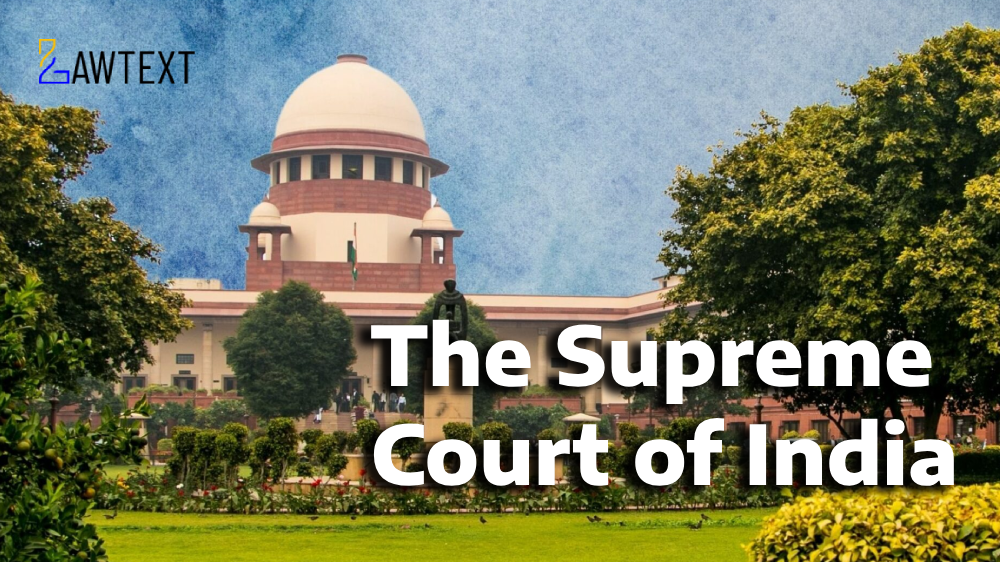
Case Note & Summary
The appeal arose from an order of the Railway Rates Tribunal in a complaint filed by West Coast Paper Mills Ltd., a manufacturer of paper and paper products with a factory at Dandeli, the terminus of the Alnawar-Dandeli branch line of the Southern Railway. The branch line, originally a light railway constructed in 1919, was taken over by the Government of India with effect from October 1, 1962. The company used the branch line for transporting coal, limestone, and manufactured products. Initially, the railways levied freight on the branch line at common rates for all commodities on a weight basis. With effect from February 1, 1964, the Indian Railways substituted standard telescopic class rates, but in charging goods freight, the actual distance of the branch line was multiplied by three. The company filed a complaint before the Railway Rates Tribunal, challenging the method of levy as unjust, unreasonable, and discriminatory, and claiming that the existing rates were per se unreasonable and offended Section 28 of the Indian Railways Act, 1890. The company sought a declaration that the rates between specified stations were unreasonable and a direction to levy standard rates without inflating the distance. The Union of India, representing the Southern Railway, defended the complaint, arguing that the introduction of standard rates with three times inflation of chargeable distance was made on the authority of the Central Government under its directive, and the Tribunal was precluded from questioning its legality or propriety. The Union also contended that the rates were not unreasonable or discriminatory, that inflation was adopted due to high capital investment for rehabilitation of the branch line including repairs and renewal costing Rs. 28.99 lakhs, and that the complaint was not maintainable under Section 41(1)(b) of the Act. The Tribunal settled six issues, four of which were material: maintainability, unreasonableness of rates due to inflated distance, whether method governed by Central Government order, and whether undue prejudice under Section 28. The Chairman and one member held the complaint maintainable, that the Railway had not justified inflation, and that the Central Government order did not exclude jurisdiction. The third member agreed on unreasonableness and jurisdiction but differed on the competence of the Tribunal to declare the method invalid and fix new rates. By majority, the Tribunal directed that the method of charging on inflated distance subjected the complainant to undue disadvantage in contravention of Section 28 and rendered rates unreasonable per se. The Supreme Court considered the question of the Tribunal's jurisdiction under Section 41(1)(b) in light of Rules 63 and 67 of Goods Tariff Nos. 28 and 29 and Sections 29 and 42 of the Act. The Court held that Rules 63 and 67 refer to station-to-station rates, whereas Section 41(1)(b) uses the expression 'rate between two stations which is unreasonable', and the rules do not affect jurisdiction. The Tribunal is invested with authority subject to limitations in Sections 29(3) and 42 to entertain a complaint and give relief for rates found unreasonable between two stations. The complaint did not seek intervention in matters reserved for the Central Government under Sections 29 and 42, and the relief granted merely declared that the chargeable rate determined by multiplying distance by three for specific commodities was in contravention of Section 28. The Court rejected the view of the dissenting member that the Tribunal could not make a declaration, stating that such a view would deprive the Tribunal of power to give formal shape to its view. Accordingly, the Supreme Court dismissed the appeal and affirmed the order of the Railway Rates Tribunal.
Headnote
A) Railway Law - Jurisdiction of Railway Rates Tribunal - Section 41(1)(b) of Indian Railways Act, 1890 - Tribunal has jurisdiction to entertain complaint that a rate between two stations for specified commodities is unreasonable, notwithstanding that the rate may be a class rate fixed by Central Government order. The complaint sought declaration that rates for specific commodities between specified stations on Alnawar-Dandeli branch line were unreasonable due to three-times distance inflation. Held that the Tribunal is invested with authority subject to limitations in Sections 29(3) and 42 to grant relief in respect of such unreasonable rates (Paras 601 E-601 G). B) Railway Law - Unreasonable and Discriminatory Rates - Section 28 of Indian Railways Act, 1890 - Levy of freight by multiplying actual distance by three rendered rates unreasonable per se and subjected complainant to undue disadvantage in contravention of Section 28. The Tribunal unanimously directed that such method of charging over Alnawar-Dandeli Branch was unreasonable and discriminatory. Held that the declaration that chargeable rate determined by multiplying distance by three for specific commodities was in contravention of Section 28 was within jurisdiction (Paras 598-599). C) Railway Law - Effect of Central Government Order under Section 29(1) - Sections 29(1) and 29(3) of Indian Railways Act, 1890 - A complaint seeking declaration that specific commodity rates between specified stations are unreasonable does not amount to changing maxima and minima rates or the level of class rates fixed by Central Government. The Tribunal's jurisdiction to examine validity of method of charging inflated distance was not excluded even though method was governed by Central Government order. Held that relief granted did not contravene Sections 29 and 42 (Paras 598, 601 G). D) Railway Law - Tribunal's Power to Make Declaration - Section 41(1)(b) of Indian Railways Act, 1890 - The Tribunal can declare that rates between two stations in respect of a specific commodity are unreasonable and fix new rates in lieu thereof; the contrary view of one member would deprive the Tribunal of power to give formal shape to its view. Held that majority correctly held that Tribunal was competent to declare invalid the method of levy and fix new rates (Paras 602 A-B).
Issue of Consideration
Whether the Railway Rates Tribunal had jurisdiction under Section 41(1)(b) of the Indian Railways Act, 1890 to entertain a complaint challenging rates between two stations for specified commodities as unreasonable and discriminatory when the rates were fixed by a Central Government order; whether the method of levying freight by multiplying the actual distance by three on the Alnawar-Dandeli branch line violated Section 28 of the Act
Final Decision
Appeal dismissed; order of Railway Rates Tribunal affirmed. The Supreme Court held that the Tribunal had jurisdiction under Section 41(1)(b) to entertain the complaint and that the relief granted, declaring the chargeable rate determined by multiplying distance by three for specific commodities as contravening Section 28, was within jurisdiction. The view of the dissenting member that the Tribunal could not make a declaration was rejected.
Law Points
- Railway Rates Tribunal has jurisdiction under Section 41(1)(b) to entertain complaint that a rate between two stations for specified commodities is unreasonable
- subject to limitations in Sections 29(3) and 42
- Rules 63 and 67 of Goods Tariff Nos. 28 and 29 refer to station-to-station rates and do not affect jurisdiction
- a declaration that freight based on three times actual distance for specific commodities is unreasonable does not amount to changing class rates fixed by Central Government under Section 29(1)
- Tribunal can make declaration and fix new rates for unreasonable rates
- levy of freight by multiplying distance by three contravenes Section 28