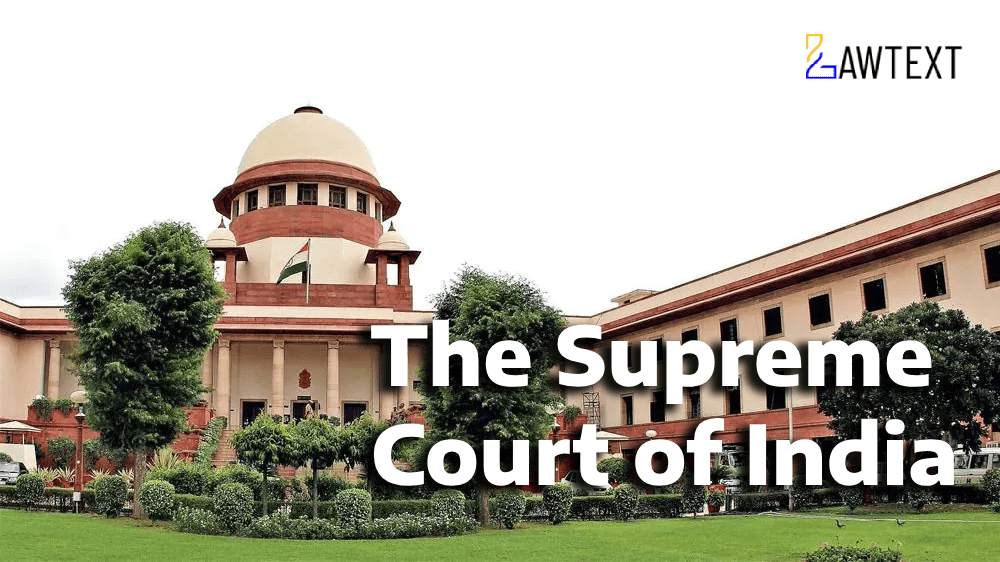
Supreme Court Allows Appeal in IPC Case Due to Lack of Dishonest Intention. The appellant's alteration of an affidavit was deemed an honest but foolish act, not warranting prosecution under IPC.

In Favour of Accused
  • 1
Judgement Image
Font size:
Print

Case Note & Summary

The case involved an appellant who was a British citizen of Indian origin, temporarily visiting India for business purposes. He brought a Mercedes Benz car into India under the Tripe-trique convention, which allowed him to retain the car for one year. After being appointed as Managing Director of a company, he applied for an import license to keep the car longer, but his application was rejected. In an attempt to comply with the requirements, he altered an affidavit by changing 'for three years' to 'permanently.' This led to his prosecution under section 420 of the Indian Penal Code for making a false declaration. The Chief Presidency Magistrate acquitted him, stating that the prosecution failed to prove the charge beyond reasonable doubt. However, a subsequent charge was filed against him under sections 420 and 471 of the IPC. The Delhi High Court quashed the charges under sections 467 and 471 but directed a trial for section 420 read with section 511. The Supreme Court, upon reviewing the case, noted the absence of dishonest intention and the appellant's honest belief in altering the affidavit. The court concluded that prosecuting the appellant after nearly 20 years would not serve justice, especially since the Chief Controller was not misled. The appeal was allowed, and the proceedings against the appellant were quashed.

Headnote

A) Criminal Law - Dishonest Intention - Absence of dishonest intention in affidavit alteration - Indian Penal Code, 1860, Sections 420, 511 - The appellant altered an affidavit under the belief that it was permissible, and there was no evidence of dishonest intent. The court found that the Chief Controller was not cheated, and thus, prosecution was not warranted (Paras 776-779).

Subscribe to unlock Headnote Subscribe Now

Issue of Consideration

Whether the prosecution against the appellant under sections 420 and 511 of the Indian Penal Code was valid given the circumstances of the case.

Subscribe to unlock Issue of Consideration Subscribe Now

Final Decision

The Supreme Court allowed the appeal, quashed the proceedings pending against the appellant, and set aside the order of the High Court directing a trial under section 420 read with section 511 of the Indian Penal Code.

Law Points

  • Dishonest intention
  • Forgery
  • False declaration
  • Import license
  • Prosecution validity
Subscribe to unlock Law Points Subscribe Now

Case Details

1985 LawText (SC) (04) 5

Criminal Appeal No. 152 Of 1975

1985-04-16

A.P. Sen, E.S. Venkataramiah

1985 SCR (3) 773, 1985 SCALE (1) 1003

Ram Jethmalani, N. H. Hingorani, M.S. Gujaral, G.D. Gupta, R.N. Poddar

Kapoor Chand Maganlal Chanderia

Delhi State (Administration)

Subscribe to unlock Case Details (Citation, Judge, Date & more) Subscribe Now

Nature of Litigation

Criminal prosecution for alleged forgery and false declaration.

Remedy Sought

Quashing of the prosecution proceedings.

Filing Reason

Allegation of making a false declaration regarding the duration of stay in India.

Previous Decisions

The appellant was acquitted in a prior trial for similar charges.

Issues

Validity of prosecution under IPC sections 420 and 511 Existence of dishonest intention in affidavit alteration

Submissions/Arguments

The appellant acted under an honest belief regarding the affidavit alteration. The prosecution failed to prove the charge beyond reasonable doubt.

Ratio Decidendi

The court emphasized the absence of dishonest intention and the reasonable belief of the appellant in altering the affidavit, concluding that prosecuting him would not serve the interests of justice.

Judgment Excerpts

The appellant might come forward with an explanation, namely, that he acted an honest belief that he could make use of the unutilized affidavit lying with him. It would not subserve the interests of justice to direct the prosecution of the appellant over again.

Procedural History

The appellant was initially acquitted by the Chief Presidency Magistrate, Bombay. A subsequent charge was filed in Delhi, leading to a reference to the High Court, which quashed certain charges but directed a trial for section 420. The Supreme Court then reviewed the case and quashed the proceedings.

Acts & Sections

  • Indian Penal Code: 420, 511, 467, 471
  • Code of Criminal Procedure: 438
Subscribe to unlock full Legal Analysis Subscribe Now
Related Judgement
Supreme Court Supreme Court Dismisses Employer's Appeal in Promotion Dispute Under Statutory Rules Due to Formal Appointment Meeting Eligibility Criteria. Promotion Denial Reversed as Respondent No. 1 Was Formally Appointed Section Officer Under Council of Scienti...
Related Judgement
Supreme Court Supreme Court Refers Matter to Larger Bench on Natural Justice in Disciplinary Proceedings Due to Non-Supply of Enquiry Report. The court emphasized the necessity of providing the Enquiry officer's report to the delinquent to ensure compliance with p...