
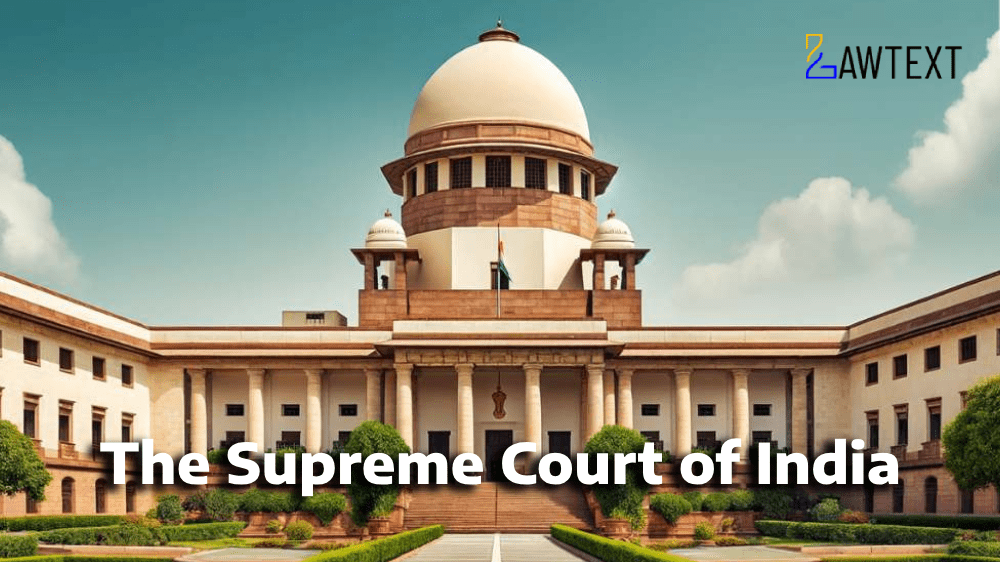
Case Note & Summary
The case involved a challenge to the constitutionality of the Tenth Schedule of the Constitution of India, which was inserted by the Constitution (Fifty-Second Amendment) Act, 1985, aimed at preventing political defection among elected representatives. The petitioners argued that the provisions of the Tenth Schedule, particularly Paragraph 7, which excluded judicial review, violated fundamental principles of parliamentary democracy and required ratification by the states under Article 368(2). The respondents contended that the Tenth Schedule created a non-justiciable area of constitutional law, preserving the finality of decisions made by Speakers/Chairmen. The Supreme Court, in its judgment, upheld the validity of Paragraph 2 of the Tenth Schedule, stating that it did not infringe upon the rights of elected representatives and was essential for maintaining the integrity of parliamentary democracy. However, it ruled that Paragraph 7, which barred judicial review, was unconstitutional as it effectively altered the operation of Articles 136, 226, and 227 without the necessary ratification. The Court emphasized the importance of judicial review in maintaining checks and balances within the legislative framework. The decision underscored the need for independent adjudicatory mechanisms in resolving disputes related to disqualification under the Tenth Schedule, affirming that the Speakers/Chairmen, while acting in this capacity, exercised judicial power subject to review. The Court ultimately dismissed some petitions while remitting others for further consideration, establishing a precedent for the interpretation of the anti-defection law and its implications for parliamentary democracy.
Headnote
A) Constitutional Law - Anti-defection Law - Constitutionality of Tenth Schedule - Constitution of India, 1950, Articles 102, 191 - The Tenth Schedule, inserted by the Constitution (Fifty-Second Amendment) Act, 1985, provides for disqualification of Members of Parliament/State Legislatures for defection. The Court held that the provisions do not violate the fundamental rights of elected representatives and are intended to strengthen parliamentary democracy by curbing unethical political defections (Paras 711-712). B) Judicial Review - Scope and Limitations - Constitution of India, 1950, Articles 136, 226, 227 - The finality clause in Paragraph 6(1) of the Tenth Schedule does not exclude the extraordinary jurisdiction of the Supreme Court and High Courts. The Court held that decisions under the Tenth Schedule are amenable to judicial review for jurisdictional errors (Paras 713-714). C) Legislative Power - Ratification Requirement - Constitution of India, 1950, Article 368 - The Court found that Paragraph 7 of the Tenth Schedule excludes the jurisdiction of all courts, thus requiring ratification under the proviso to Article 368(2). The amendment was held to be unconstitutional without such ratification (Paras 715-716). D) Severability - Application of Doctrine - Constitution of India, 1950, Article 368 - The Court ruled that Paragraph 7 is severable from the remaining provisions of the Tenth Schedule, which can stand independently and are valid (Paras 754-755).
Issue of Consideration
Whether the Tenth Schedule of the Constitution, inserted by the Constitution (Fifty-Second Amendment) Act, 1985, is violative of fundamental principles of parliamentary democracy and whether it requires ratification by the states.
Final Decision
The Supreme Court upheld the constitutionality of Paragraph 2 of the Tenth Schedule but declared Paragraph 7 unconstitutional for excluding judicial review, necessitating ratification under Article 368(2). The Court emphasized the importance of judicial oversight in legislative processes.
Law Points
- Constitutionality
- Anti-defection law
- Judicial review
- Disqualification
- Legislative power
- Severability
- Freedom of speech
- Parliamentary democracy





