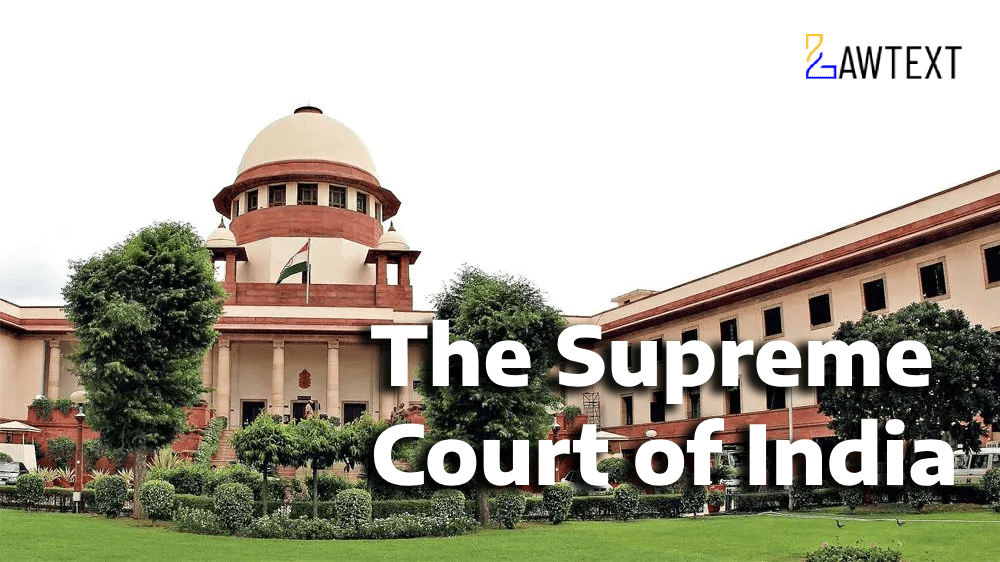
Supreme Court Reduces Sentence in Kidnapping Case Due to Exceeding Maximum Sentence Limits. Court Found Total Sentence of 20 Years Violated Provisions of Section 31 of Criminal Procedure Code, 1973.

In Favour of Accused
  • 0
Judgement Image
Font size:
Print

Case Note & Summary

The case involved an appeal by an individual convicted of kidnapping two boys, leading to their deaths. The appellant was initially sentenced to a total of 20 years of rigorous imprisonment for offences under Sections 364, 365, 120-B, and 201 of the Indian Penal Code, 1860. The High Court upheld the conviction for abduction but acknowledged that the prosecution failed to establish murder charges. The appellant's counsel argued that the sentences imposed were illegal as they exceeded the maximum limit prescribed under Section 31 of the Criminal Procedure Code, 1973. The Supreme Court analyzed the provisions of Section 31, which limits the aggregate of consecutive sentences to 14 years. The court noted that the sentences imposed by the lower courts were in violation of this provision. Citing precedents, the court emphasized the necessity of adhering to statutory limits on sentencing. Ultimately, the Supreme Court allowed the appeal, reducing the sentence to the period already served, thereby ordering the appellant's immediate release unless required in other cases.

Headnote

A) Criminal Procedure - Sentencing - Consecutive Sentences - Maximum Sentence Limit - Criminal Procedure Code, 1973, Section 31 - The court found that the imposition of a total sentence of 20 years exceeded the maximum permissible limit of 14 years for consecutive sentences under Section 31. The court held that the High Court and the Trial Judge committed a serious illegality in sentencing the appellant beyond the statutory limit, directing that the appellant be released forthwith after serving the time already undergone (Paras 1-10).

Subscribe to unlock Headnote Subscribe Now

Issue of Consideration

Whether the sentences imposed exceeded the permissible limits under Section 31 of the Criminal Procedure Code, 1973.

Subscribe to unlock Issue of Consideration Subscribe Now

Final Decision

The Supreme Court allowed the appeal, reducing the sentence to the period already undergone by the appellant, directing his immediate release unless required in other cases.

Law Points

  • Interpretation of Section 31 CrPC
  • consecutive sentences
  • maximum sentence limits
  • sentencing discretion
Subscribe to unlock Law Points Subscribe Now

Case Details

2006 LawText (SC) (11) 164

Appeal (crl.) 623 of 2005

2006-11-24

S.B. Sinha, Markandey Katju

T.N. Singh

Chatar Singh

State of M.P.

Subscribe to unlock Case Details (Citation, Judge, Date & more) Subscribe Now

Nature of Litigation

Appeal against conviction and sentence for kidnapping and related offences.

Remedy Sought

Appellant sought reduction of sentence imposed by the High Court.

Filing Reason

Challenging the legality of the sentence exceeding statutory limits.

Previous Decisions

Trial court convicted the appellant; High Court upheld conviction but modified sentences.

Issues

Whether the sentences imposed exceeded the permissible limits under Section 31 of the Criminal Procedure Code.

Submissions/Arguments

The appellant's counsel argued that the total sentence exceeded the maximum limit of 14 years under Section 31 CrPC.

Ratio Decidendi

The court emphasized the necessity of adhering to statutory limits on sentencing, particularly under Section 31 of the Criminal Procedure Code, which restricts the total duration of consecutive sentences.

Judgment Excerpts

The maximum sentence imposable being 14 years and having regard to the fact that the appellant is in custody for more than 12 years. The High Court committed a manifest error in sentencing the appellant for 20 years’ Rigorous Imprisonment.

Procedural History

The appellant was convicted by the Trial Court, sentenced to 20 years of rigorous imprisonment, and the conviction was upheld by the High Court.

Acts & Sections

  • Criminal Procedure Code, 1973: 31
  • Indian Penal Code, 1860: 302, 201, 364, 365, 120-B
Subscribe to unlock full Legal Analysis Subscribe Now
Related Judgement
High Court Madras High Court Closes Contempt Petition Against Cooperative Society Officer for Non-Compliance of Writ Order. Contempt Allegations Closed as Respondent Passes Fresh Order After Hearing Petitioner and Court Grants Liberty to Challenge Fresh Order.
Related Judgement
Supreme Court Supreme Court Allows Appeal by Child in Conflict with Law in POCSO Case — High Court's Revision Order Set Aside Due to Lack of Jurisdiction. The remedy against a Juvenile Justice Board order under Section 18(3) of the JJ Act is an appeal under Sect...