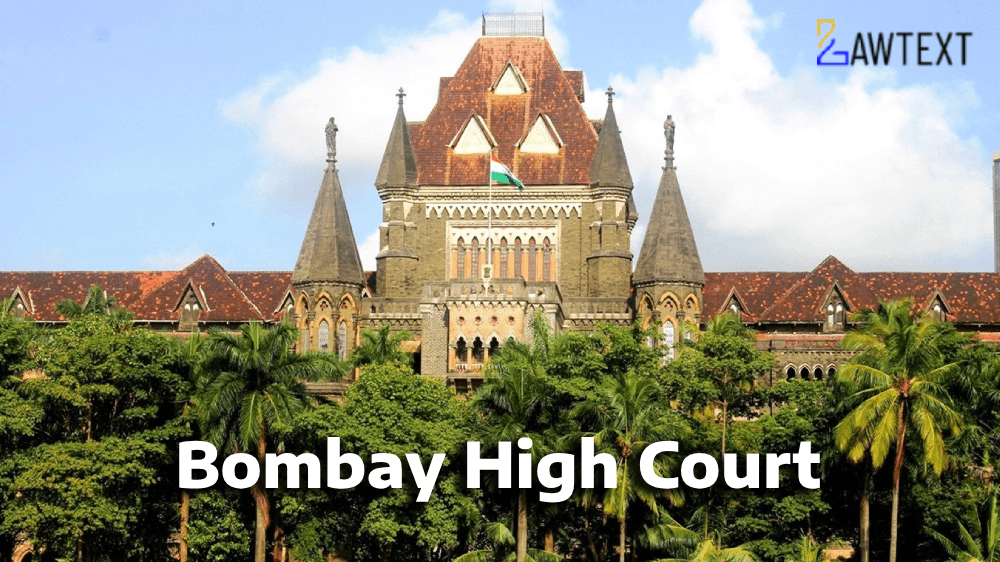
Supreme Court Sets Aside High Court Order on Age Relaxation for Contractual Employee. The court ruled that a person appointed on a short-term contract does not qualify as a Government servant and is not entitled to age relaxation under recruitment rules.

In Favour of Accused
  • 1
Judgement Image
Font size:
Print

Case Note & Summary

The case involved an appeal by the Union Public Service Commission (UPSC) against a Bombay High Court order that directed the issuance of an age relaxation certificate to Girish Jayanti Lal Vaghela, who was appointed as a Drugs Inspector on a short-term contract basis. Vaghela's appointment began on 11.3.1996 and was renewed every six months for over five years. When UPSC advertised for regular selection on 24.3.2001, Vaghela, who was over the age limit, sought an age relaxation certificate from the Administrator of Daman and Diu but received no response. After filing an Original Application with the Central Administrative Tribunal, which directed the Administrator to decide on the certificate, Vaghela was allowed to appear for the interview but was later disqualified. The Tribunal dismissed his second application, stating that his appointment was not in accordance with recruitment rules. Vaghela then filed a writ petition, which the High Court allowed, leading to the UPSC's appeal. The Supreme Court analyzed the definition of a Government servant under the Central Civil Services (Classification, Control and Appeal) Rules and concluded that Vaghela, being on a contractual basis, did not possess the rights and status of a Government servant. The court emphasized that his appointment was purely contractual and did not comply with the constitutional provisions for public employment, particularly Article 16, which mandates fair recruitment processes. The court ultimately set aside the High Court's order and dismissed Vaghela's writ petition, ruling that he was not eligible for age relaxation due to his contractual status.

Headnote

A) Employment Law - Definition of Government Servant - Status of Contractual Employee - Central Civil Services (Classification, Control and Appeal) Rules, 1965, Rule 2(h) - The court examined whether a person appointed on a short term contract can be classified as a Government servant. It held that since the respondent was not appointed following recruitment rules and lacked essential attributes of a Government servant, he was not entitled to age relaxation. Held that the High Court's decision was erroneous (Paras 20-21).

Subscribe to unlock Headnote Subscribe Now

Issue of Consideration

Whether a person working on a short term contract basis can be considered a Government servant eligible for age relaxation in recruitment.

Subscribe to unlock Issue of Consideration Subscribe Now

Final Decision

The Supreme Court allowed the appeal, set aside the High Court's order, and dismissed the writ petition filed by the respondent, ruling that he was not a Government servant and thus not eligible for age relaxation.

Law Points

  • Government servant definition
  • Contractual employment
  • Age relaxation
  • Recruitment rules
  • Article 16 of the Constitution
Subscribe to unlock Law Points Subscribe Now

Case Details

2006 LawText (SC) (02) 121

Appeal (civil) 933 of 2006

2006-02-02

K.G. Balakrishnan, G.P. Mathur

Union Public Service Commission

Girish Jayanti Lal Vaghela & others

Subscribe to unlock Case Details (Citation, Judge, Date & more) Subscribe Now

Nature of Litigation

Appeal against High Court's order regarding age relaxation for a contractual employee.

Remedy Sought

UPSC sought to overturn the High Court's directive for age relaxation.

Filing Reason

Respondent claimed entitlement to age relaxation despite being on a short-term contract.

Previous Decisions

The Tribunal ruled against the respondent, stating he was not a Government servant.

Issues

Whether a short-term contract employee qualifies as a Government servant. Entitlement to age relaxation under recruitment rules.

Submissions/Arguments

The appellant argued that the respondent's appointment was purely contractual and did not confer Government servant status. The respondent contended that he should be considered a Government servant entitled to age relaxation.

Ratio Decidendi

The court held that a person appointed on a short-term contract basis does not acquire the status of a Government servant and is not entitled to the benefits associated with such status, including age relaxation under recruitment rules.

Judgment Excerpts

The view taken by the High Court is clearly erroneous in law and is liable to be set aside. It is not possible to hold that respondent no.1 was a Government servant.

Procedural History

The case originated from a writ petition allowed by the Bombay High Court, which was subsequently appealed by the UPSC to the Supreme Court.

Acts & Sections

  • Central Civil Services (Classification, Control and Appeal) Rules: Rule 2(h)
  • Constitution of India: Article 16, Article 309, Article 311
Subscribe to unlock full Legal Analysis Subscribe Now
Related Judgement
High Court Bombay High Court Dismisses Petitions Challenging TET Qualification Requirement for Teacher Appointments in Maharashtra. The court upheld the validity of the Government Resolution dated 25.03.2024 making TET qualification mandatory for appointment of...
Related Judgement
High Court Bombay High Court Quashes GST Appellate Authority's Dismissal of Appeal in Pre-Deposit Dispute. Acceptance of Input Tax Credit for 10% Pre-Deposit Under Section 107(6) of CGST Act, 2017 Upheld as Jurisdictional High Court Precedent Controls and Natur...