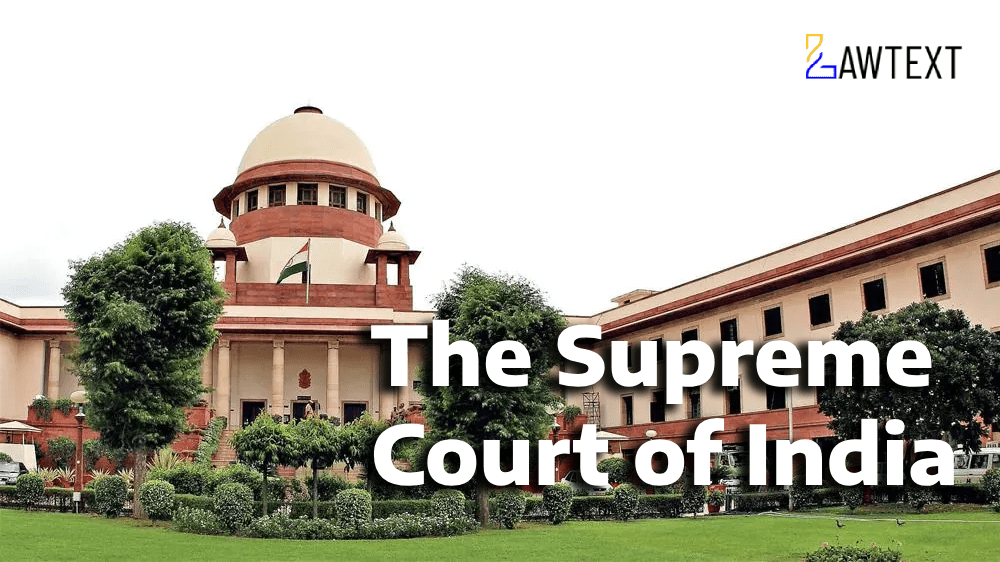
Supreme Court Upholds Prosecution in Corruption Cases — Valid Sanction Required for Cognizance. The court emphasized that a valid sanction is essential for taking cognizance of offences under the Prevention of Corruption Act, 1988.

In Favour of Prosecution
  • 4
Judgement Image
Font size:
Print

Case Note & Summary

The case involved appeals concerning the interpretation of Section 300 of the Code of Criminal Procedure, 1973, focusing on the validity of sanction for prosecution under the Prevention of Corruption Act, 1988. The first appeal arose from a complaint against C. Nagarajaswamy, a Junior Telecom Officer, who was accused of demanding illegal gratification. The Special Judge found the sanction for prosecution invalid and discharged the accused without addressing the merits of the case. The second appeal involved M.K. Vijayalakshmi, a bank manager accused of misappropriating funds, who was also discharged due to invalid sanction. The High Court upheld both discharges, leading to the current appeals. The appellants contended that the High Court erred in its interpretation of the law, particularly regarding the necessity of valid sanction for cognizance. The court analyzed precedents establishing that a trial without valid sanction is a nullity and that subsequent trials with proper sanction are not barred. The court also addressed the right to a speedy trial, noting that while delays can prejudice the accused, the absence of a time limit for criminal proceedings must be respected. Ultimately, the court set aside the High Court's judgments, directing the trial court to expedite the proceedings within six months, allowing the respondents to seek further relief if necessary.

Headnote

A) Criminal Procedure - Validity of Sanction - Requirement of Proper Sanction for Prosecution - Code of Criminal Procedure, 1973, Section 300 - The court held that a valid sanction is a prerequisite for taking cognizance of an offence, and if such sanction is not obtained, the proceedings are null and void. The court emphasized that subsequent trials with proper sanction are permissible, and the High Court's ruling was incorrect in asserting otherwise (Paras 5-6).

Subscribe to unlock Headnote Subscribe Now

Issue of Consideration

Whether the High Court erred in its interpretation of Section 300 of the Code of Criminal Procedure regarding the validity of sanction for prosecution.

Subscribe to unlock Issue of Consideration Subscribe Now

Final Decision

The Supreme Court set aside the High Court's judgments, directing the trial court to expedite the proceedings within six months, allowing the respondents to seek further relief if necessary.

Law Points

  • Interpretation of Section 300
  • Code of Criminal Procedure
  • 1973
  • Validity of Sanction
  • Cognizance of Offences
  • Right to Speedy Trial
Subscribe to unlock Law Points Subscribe Now

Case Details

2005 LawText (SC) (10) 36

Appeal (crl.) 1279 of 2002

2005-10-07

S.B. Sinha, R.V. Raveendran

A. Sharan, Basava Prabhu S. Patil

State of Karnataka through CBI

C. Nagarajaswamy, M.K. Vijayalakshmi

Subscribe to unlock Case Details (Citation, Judge, Date & more) Subscribe Now

Nature of Litigation

Appeals concerning the validity of sanction for prosecution under the Prevention of Corruption Act.

Remedy Sought

State of Karnataka through CBI sought to challenge the High Court's orders discharging the respondents.

Filing Reason

The High Court ruled that the trial court's discharge of the respondents was erroneous due to invalid sanction.

Previous Decisions

The Special Judge discharged the respondents based on findings regarding the invalidity of the sanction.

Issues

Whether the High Court erred in interpreting Section 300 of the Code of Criminal Procedure regarding the validity of sanction for prosecution. Whether the trial court was required to record a judgment of conviction or acquittal after a full-fledged trial.

Submissions/Arguments

The appellant argued that the High Court failed to consider the requirements of valid sanction for prosecution. The respondents contended that the trial court must record a judgment after a full trial and cannot discharge the accused.

Ratio Decidendi

A valid sanction is a prerequisite for taking cognizance of an offence under the Prevention of Corruption Act, and if such sanction is not obtained, the proceedings are null and void.

Judgment Excerpts

A valid sanction is a prerequisite for taking cognizance of an offence. Subsequent trials with proper sanction are permissible.

Procedural History

The appeals arose from judgments and orders passed by the High Court of Karnataka, which discharged the respondents based on findings regarding the invalidity of the sanction for prosecution.

Acts & Sections

  • Code of Criminal Procedure, 1973: Section 300, Section 313, Section 239, Section 248
  • Prevention of Corruption Act, 1988: Section 7, Section 13(1)(d), Section 13(2), Section 19
Subscribe to unlock full Legal Analysis Subscribe Now
Related Judgement
Supreme Court Supreme Court Initiates Contempt Proceedings Against Patanjali Ayurved and Its Managing Director for Violating Undertaking Given to Court Regarding Misleading Advertisements and Disparaging Statements Against Modern Medicine. The Court Found Prima Fa...
Related Judgement
High Court Madras High Court Allows Wife's Divorce Petition Filed from Australia, Holds Family Court Chennai Has Jurisdiction Under Section 19 Hindu Marriage Act. The court ruled that temporary residence abroad does not oust jurisdiction when the wife has a per...