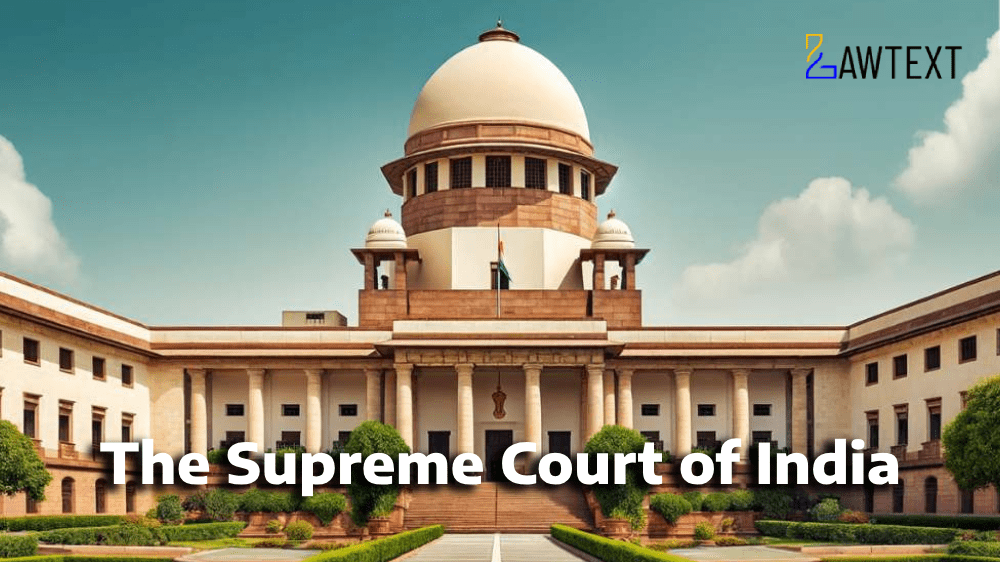
Case Note & Summary
The dispute arose from a property claim involving the descendants of Chartu, specifically concerning the inheritance rights of Nandi, who was alleged to be the daughter of Chartu. The appellants, Bant Singh and others, contended that upon Chartu's death, his property devolved equally upon his sons Munshi and Bakhtawar. Following the deaths of Munshi and Bakhtawar, the property was mutated in favor of Niranjan Singh, leading to a legal challenge by the respondents who claimed that the property was joint coparcenary property. The trial court initially ruled in favor of the respondents, but the appellate court reversed this decision, leading to a second appeal. The High Court's judgment focused on the admissibility of evidence under Section 50 of the Indian Evidence Act, determining that the evidence presented by the defendants did not meet the necessary legal standards. The appellants argued that the High Court incorrectly interfered with factual findings established by lower courts. The Supreme Court analyzed the evidence and determined that the testimonies of DW-1 and DW-2 were indeed admissible under Section 50, as they had special knowledge of the familial relationships in question. The Court criticized the High Court for failing to consider all evidence and for misapplying the legal standards. Ultimately, the Supreme Court set aside the High Court's judgment, allowing the appeal without costs.
Headnote
A) Evidence Law - Admissibility of Evidence - Relationship Proof - Indian Evidence Act, 1872, Section 50 - The High Court erred in holding that the evidence of witnesses did not conform to Section 50, which led to a misreading of the evidence and judicial perversion. The Supreme Court found that the evidence of DW-1 and DW-2 was admissible and relevant under Section 50, thus allowing the appeal and setting aside the High Court's judgment (Paras 8-24).
Issue of Consideration
Whether the evidence led by the defendants conforms to the requirements of Section 50 of the Indian Evidence Act, 1872.
Final Decision
The Supreme Court set aside the High Court's judgment, allowing the appeal and reinstating the findings of the lower courts regarding the admissibility of evidence under Section 50 of the Indian Evidence Act.
Law Points
- Section 50 Indian Evidence Act
- 1872
- admissibility of evidence
- relationship proof
- coparcenary property
- judicial perversion