
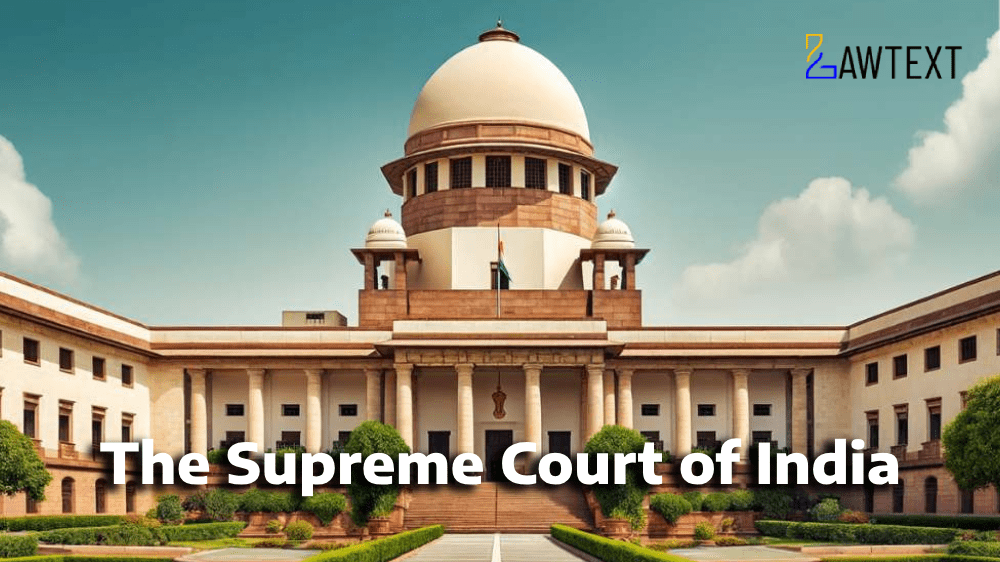
Supreme Court Evaluates Constitutional Validity of Electoral Bond Scheme — Addresses Concerns of Transparency and Corporate Funding. The court recognized the significant implications of the amendments on electoral integrity and the right to information under Article 19(1)(a).

  • 0
Judgement Image
Font size:
Print

Case Note & Summary

The Supreme Court addressed the constitutional validity of the Electoral Bond Scheme, which allows anonymous financial contributions to political parties. The petitioners, invoking Article 32 of the Constitution, contended that the scheme and related amendments to various acts, including the Finance Act 2017, violated the principles of transparency and the right to information. The court noted that the amendments permitted unlimited corporate funding and removed disclosure requirements, raising concerns about the integrity of the electoral process. The petitioners argued that these changes could facilitate corruption and undermine democracy by allowing significant financial influence over political parties without accountability. The court recognized the weighty issues presented, particularly regarding the implications of corporate funding on free and fair elections. The submissions from the petitioners highlighted the lack of rational basis for the scheme, the dismissal of objections from the Reserve Bank of India and the Election Commission of India, and the potential for increased corruption due to non-disclosure of contributions. The court directed that the matter be examined in detail, acknowledging the need for a comprehensive review of the amendments and their impact on electoral transparency. The case was referred to a larger bench for further adjudication, emphasizing the importance of maintaining the sanctity of the electoral process in light of the challenges posed by the Electoral Bond Scheme.

Headnote

A) Constitutional Law - Electoral Bond Scheme - Challenge to the constitutional validity of the Electoral Bond Scheme - Constitution of India, Article 32 - Petitioners challenged the scheme on grounds of non-disclosure of contributions and unlimited corporate funding, arguing it undermines electoral transparency and violates the right to information. Held that the issues raised necessitate thorough judicial scrutiny (Paras 1-28).

B) Corporate Law - Corporate Contributions to Political Parties - Amendment to Section 182 of the Companies Act - Companies Act, 2013, Section 182 - The amendment allowing unlimited corporate funding was challenged as violating Article 14 and undermining free elections. The court acknowledged the potential implications of such funding on electoral integrity (Paras 29-29).

Subscribe to unlock Headnote Subscribe Now

Issue of Consideration

Whether the Electoral Bond Scheme infringes on the right to information and the principle of free and fair elections.

Subscribe to unlock Issue of Consideration Subscribe Now

Final Decision

The court acknowledged the significant issues raised regarding the Electoral Bond Scheme and directed that the matter be examined in detail by a larger bench, emphasizing the need for maintaining electoral integrity.

Law Points

  • Constitutional validity
  • Electoral Bond Scheme
  • corporate contributions
  • right to information
  • transparency in electoral funding

Subscribe to unlock Law Points Subscribe Now

Case Details

2024 LawText (SC) (2) 35

Writ Petition (C) No. 880 of 2017 With Writ Petition (C) No. 59 of 2018 With Writ Petition (C) No. 975 of 2022 And With Writ Petition (C) No. 1132 of 2022

2023-10-31

Dr Dhananjaya Y Chandrachud, CJI.

Mr Prashant Bhushan

Association for Democratic Reforms & Anr.

Union of India & Ors.

Subscribe to unlock Case Details (Citation, Judge, Date & more) Subscribe Now

Nature of Litigation

Challenge to the constitutional validity of the Electoral Bond Scheme and related amendments.

Remedy Sought

Petitioners sought a declaration that the Electoral Bond Scheme and related provisions are unconstitutional.

Filing Reason

Concerns over transparency and potential corruption in electoral funding.

Issues

Whether unlimited corporate funding to political parties infringes the principle of free and fair elections. Whether the non-disclosure of information on contributions violates the right to information.

Submissions/Arguments

The introduction of electoral bonds lacks a rational basis and undermines transparency. The amendments violate the right to information and promote corruption.

Ratio Decidendi

The court recognized the potential implications of unlimited corporate funding and non-disclosure of contributions on the electoral process, necessitating thorough judicial scrutiny.

Judgment Excerpts

The financial statements of companies registered under the Companies Act, 2013 which are filed with the Registrar of Companies, are accessible online. The issues raised necessitate thorough judicial scrutiny.

Procedural History

The petitioners filed proceedings under Article 32 challenging the Electoral Bond Scheme and related amendments. The court directed interim submissions from political parties regarding contributions received through electoral bonds and referred the matter to a larger bench for further adjudication.

Acts & Sections

  • Companies Act, 2013: Section 182
  • Income Tax Act, 1961: Section 13A
  • Representation of the People Act, 1951: Section 29C
  • Reserve Bank of India Act, 1934: Section 31
  • Finance Act, 2017: Section 135, Section 137, Section 11, Section 154
Subscribe to unlock full Legal Analysis Subscribe Now
Related Judgement
Supreme Court Supreme Court Dismisses Appeal Against Official Receiver in Insolvency Share Dispute: Admissions Establish Insolvent's One-Third Share in Joint Properties. Limitation for Section 4 Application Under Provincial Insolvency Act Runs from Date Cloud Cast...
Related Judgement
High Court High Court Allows Writ Petition for Ex-Gratia Compensation to Legal Heirs of COVID-19 Deceased Government Employee. The court held that the cutoff date in Government Resolution dated 25.04.2022 applies to the date of contracting COVID-19, not the dat...





