Case Note & Summary
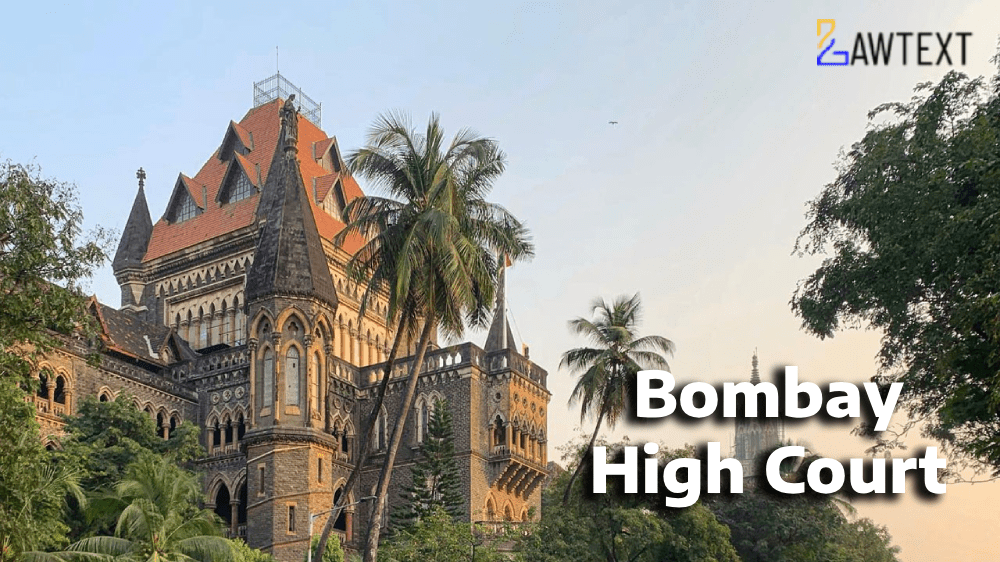
The appeal challenged the conviction of the appellant under the Prevention of Corruption Act, 1988, following a judgment by the Bombay High Court. The appellant, a Minimum Wages Inspector, was accused of demanding a bribe from the complainant, Shivaji Padwal, for not taking action regarding the maintenance of a register for his employee. The prosecution presented evidence that included witness testimonies and a trap operation where treated currency notes were used. The appellant denied the allegations, claiming the money was forcibly inserted into his pocket. The court analyzed the evidence, including the demand made by the appellant and the subsequent acceptance of the bribe. It was determined that the evidence sufficiently established the appellant's guilt under both Sections 7 and 13(1)(d) of the Act. The court dismissed the appeal, affirming the conviction and sentence imposed by the lower court.
Headnote
A) Criminal Law - Corruption - Demand and Acceptance of Bribe - Prevention of Corruption Act, 1988, Sections 7, 13(1)(d) - The court upheld the conviction of the appellant for demanding and accepting a bribe, establishing that the evidence supported both the demand and acceptance of illegal gratification. The court noted that the prosecution's evidence, including the anthracene powder test, corroborated the allegations made by the complainant (Paras 1-7).
Issue of Consideration
Whether the conviction under Sections 7 and 13(1)(d) of the Prevention of Corruption Act, 1988 was justified based on the evidence presented.
Final Decision
The Supreme Court dismissed the appeal, upholding the conviction and sentence of rigorous imprisonment for one year and a fine of Rs. 1,000 under the Prevention of Corruption Act, 1988.
Law Points
- Corruption
- Demand for Bribe
- Acceptance of Bribe
- Prevention of Corruption Act
- 1988
- Double Penalty
- Evidence Standards