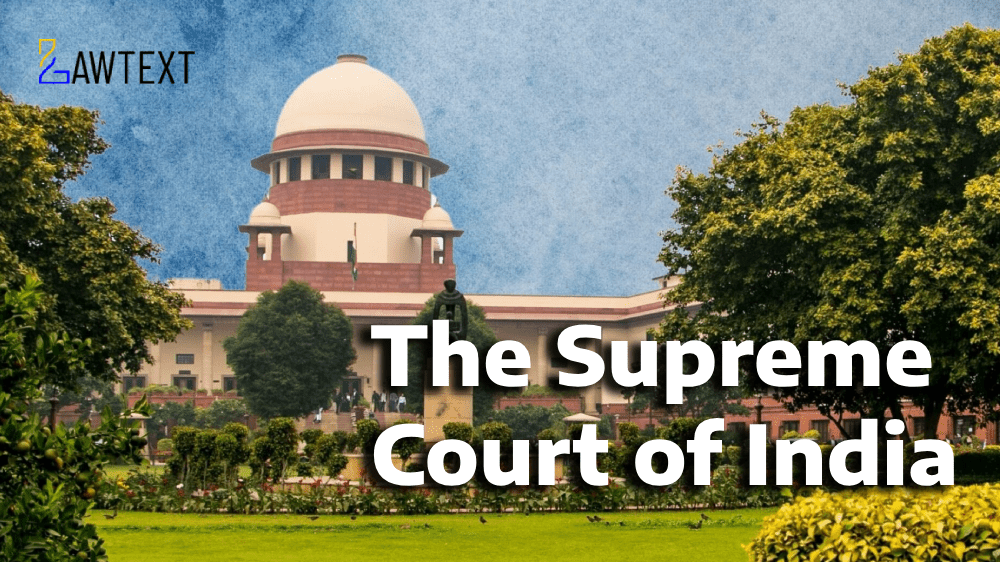
Case Note & Summary
The case involved a dispute regarding the entitlement of pension benefits under the Voluntary Retirement Scheme (VRS) of the Delhi Transport Corporation. The respondent, Mool Chand, did not apply under the original VRS introduced in 1993 but later applied under a new scheme introduced on 13.12.1995, which explicitly stated that employees opting for VRS would not receive pension benefits. The High Court had ruled in favor of the respondent, granting him pension benefits in addition to the VRS benefits. The Supreme Court, upon reviewing the case, found the High Court's judgment to be erroneous, as the terms of the new VRS were clear and unambiguous regarding the non-entitlement to pension. Consequently, the Supreme Court set aside the High Court's judgment and allowed the appeal, stating that the specific provisions of the VRS Scheme were binding. The court also dismissed two other civil appeals as per the earlier order dated 12th March 2007. No costs were awarded in the appeal.
Headnote
A) Employment Law - Voluntary Retirement Scheme - Pension Entitlement - Delhi Transport Corporation Act, 1993 - The respondent applied under a new VRS which explicitly stated no pension would be granted. The Supreme Court found the High Court's ruling granting pension benefits to be erroneous and set aside the judgment, affirming the terms of the VRS. Held that the specific provisions of the VRS Scheme dated 13.12.1995 were binding (Paras Not mentioned).
Issue of Consideration
Whether the respondent was entitled to pension benefits under the Voluntary Retirement Scheme of the Delhi Transport Corporation.
Final Decision
The Supreme Court set aside the High Court's judgment, ruling that the respondent was not entitled to pension benefits under the VRS scheme as per the explicit terms of the scheme dated 13.12.1995. The appeal was allowed with no order as to costs.
Law Points
- Voluntary Retirement Scheme
- pension entitlement
- High Court judgment
- erroneous interpretation