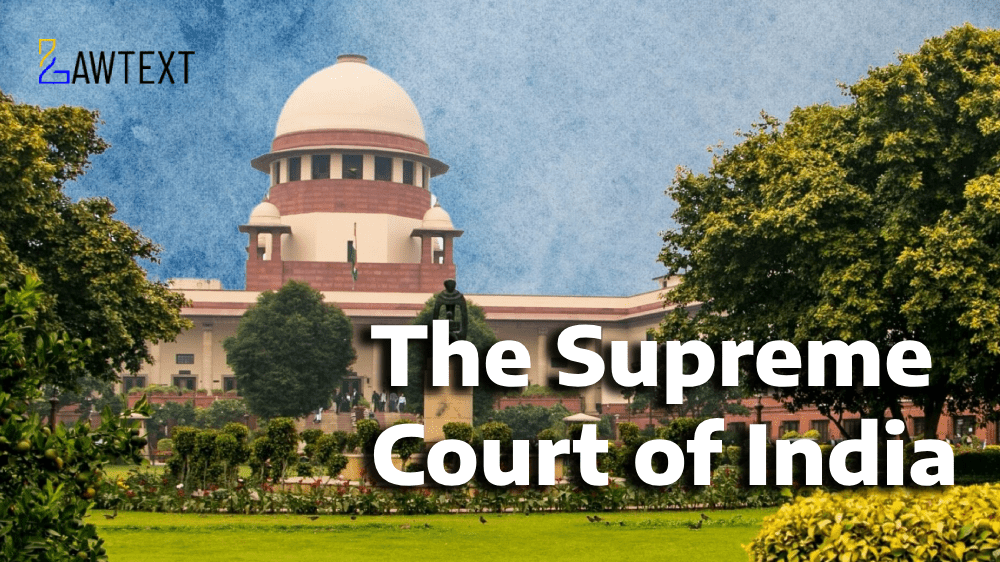
Case Note & Summary
The dispute arose from a civil suit filed by employees of Haryana Vidyut Parsaran Nigam Limited, seeking higher pay scales based on the principle of equal pay for equal work. The trial court ruled in favor of the employees, granting them the higher pay scales effective from specified dates, but denied interest on the amounts claimed. The appellants contested the execution of this decree, arguing that it was merely declaratory and thus not executable. The Supreme Court examined the nature of the decree, noting that it included a mandatory injunction for the payment of higher scales. The court emphasized that the executing court cannot question the correctness of the decree or go behind it, and must execute it as it stands. The court dismissed the appeals, affirming the trial court's decision and stating that the decree had attained finality, thus making it executable. The court also noted that the appellants failed to demonstrate any lack of jurisdiction or legal infirmity in the decree, which further supported the execution of the judgment.
Headnote
A) Employment Law - Pay Scales - Execution of Decree - Code of Civil Procedure, 1908, Section 47 - The court held that a decree granting both declaratory relief and mandatory injunction is executable, despite objections raised regarding its nature. The executing court must execute the decree as it stands, without questioning its correctness, as the decree has attained finality (Paras 20-22).
Issue of Consideration
Whether the decree for higher pay scales was executable despite being declaratory in nature.
Final Decision
The Supreme Court dismissed the appeals, affirming the trial court's decree for higher pay scales and stating that the executing court must execute the decree as it stands.
Law Points
- declaratory decree
- mandatory injunction
- equal pay for equal work
- execution of decree
- jurisdiction of executing court