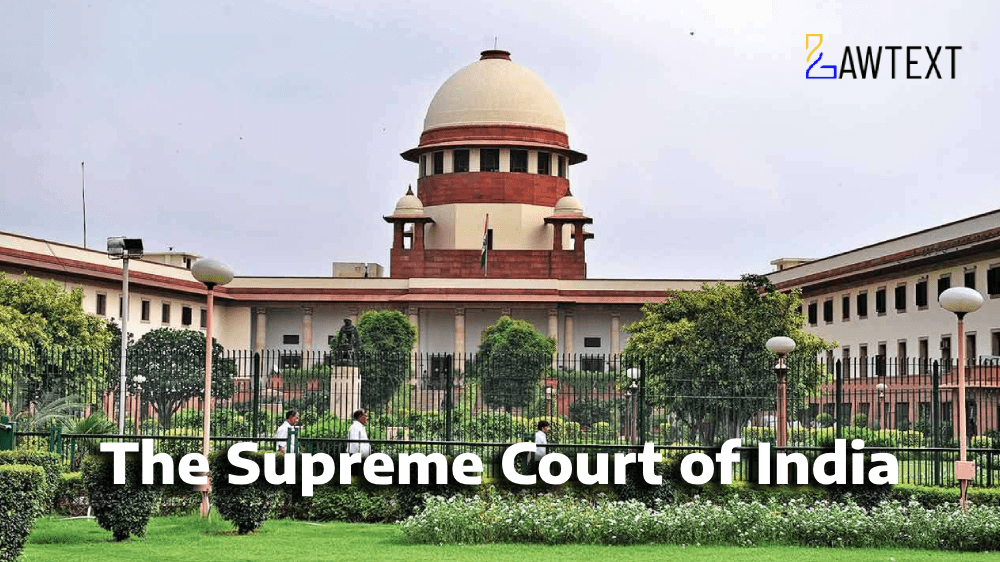
Supreme Court Dismisses Appeals in Murder Case with Life Sentences. The court upheld the convictions under Section 302 IPC for unlawful assembly while recognizing the minor status of one appellant under the Bihar Children Act, 1970.

  • 1
Judgement Image
Font size:
Print

Case Note & Summary

The case involved a violent incident where the appellants, along with others, attempted to take paddy from a threshing floor, leading to multiple assaults and the death of Bhola Singh. The police charged seven individuals based on the FIR, with the trial court convicting two of them under Section 302 IPC and sentencing them to death, while others received life sentences. The High Court upheld these convictions but reduced the death sentences to life imprisonment. The appellants argued that their actions were not intended to cause death and that the evidence against them was insufficient. The court found that the evidence from eyewitnesses and injured parties supported the prosecution's case, establishing the appellants' vicarious liability under Section 149 IPC due to their participation in an unlawful assembly. The court emphasized that all members of such an assembly are responsible for the natural consequences of their actions. In a separate consideration, the court addressed the case of Arvind Singh, who was a minor at the time of the incident. Although his conviction was confirmed, the court set aside his sentence, allowing him to be released. Ultimately, the court dismissed the appeals of the other appellants, affirming the lower courts' decisions.

Headnote

A) Criminal Law - Vicarious Liability - Members of Unlawful Assembly - Liability under Section 149 IPC - Members of an unlawful assembly are liable for acts committed in furtherance of the common object. The court held that the appellants, being part of an unlawful assembly armed with weapons, were liable for the murder committed during the incident, as they intended to take life in the course of their unlawful act (Paras 1-2).

B) Criminal Law - Age of Accused - Trial of Minors - Bihar Children Act, 1970 - The trial of a minor along with adults is not lawful if the minor's age is established. The court noted that the appellant Arvind Singh was a minor at the time of the incident, thus his conviction was upheld but the sentence was set aside, allowing him to be set at liberty (Paras 2-3).

Subscribe to unlock Headnote Subscribe Now

Issue of Consideration

Whether the appellants could be held liable for murder under Section 302 IPC and whether the trial of a minor along with adults was lawful.

Subscribe to unlock Issue of Consideration Subscribe Now

Final Decision

The Supreme Court dismissed the appeals of Umesh Singh and Rajendra Singh, affirming their convictions under Section 302 IPC and related charges. The court upheld the life sentences imposed by the High Court. However, it set aside the sentence of Arvind Singh, recognizing him as a minor at the time of the incident, and allowed his appeal in part.

Law Points

  • Vicarious liability
  • unlawful assembly
  • common object
  • Section 149 IPC
  • conviction standards
  • age of accused under Bihar Children Act
  • 1970
Subscribe to unlock Law Points Subscribe Now

Case Details

2000 LawText (SC) (05) 20

Crl.A.Nos.824-825 of 1998, Crl.A.No.659/99

2000-05-10

Y.K.Sabharwal, S.R.Babu, Rajendra Babu

U.R.Lalit

Umesh Singh, Arvind Singh, Rajendra Singh

State of Bihar

Subscribe to unlock Case Details (Citation, Judge, Date & more) Subscribe Now

Nature of Litigation

Criminal appeal against conviction and sentence for murder and related offences.

Remedy Sought

Appellants sought to overturn their convictions and sentences.

Filing Reason

Appeals filed against the High Court's decision maintaining convictions.

Previous Decisions

Trial court convicted and sentenced the appellants, which was upheld by the High Court.

Issues

Whether the appellants could be held liable for murder under Section 302 IPC. Whether the trial of a minor along with adults was lawful.

Submissions/Arguments

The appellants argued that their actions were not intended to cause death and that the evidence was insufficient. The prosecution maintained that the evidence from eyewitnesses established the appellants' vicarious liability.

Ratio Decidendi

Members of an unlawful assembly are liable for acts committed in furtherance of the common object, and the liability extends to all members regardless of who committed the specific act. The court also recognized the legal protections for minors under the Bihar Children Act, 1970.

Judgment Excerpts

The court held that the appellants, being part of an unlawful assembly armed with weapons, were liable for the murder committed during the incident. The trial of a minor along with adults is not lawful if the minor's age is established.

Procedural History

The trial court convicted the appellants under Section 302 IPC and related charges, sentencing two to death and others to life imprisonment. The High Court upheld these convictions but reduced the death sentences to life imprisonment, leading to appeals before the Supreme Court.

Acts & Sections

  • Indian Penal Code, 1860: 302, 149, 324
  • Bihar Children Act, 1970:
Subscribe to unlock full Legal Analysis Subscribe Now
Related Judgement
Supreme Court Supreme Court Allows University's Appeal in Career Advancement Scheme Dispute for Research Assistants Designated as Lecturers. Research Assistants and Lecturers are Separate Cadres; Past Service as Research Assistant Cannot Count for CAS Benefit.
Related Judgement
Supreme Court Supreme Court Dismisses Appeal Against High Court's Order on Electoral Rolls Inspection — Upholds Election Petitioner's Right to Evidence. The court found that the principle of secrecy of ballot must yield to the principle of purity of election whe...