
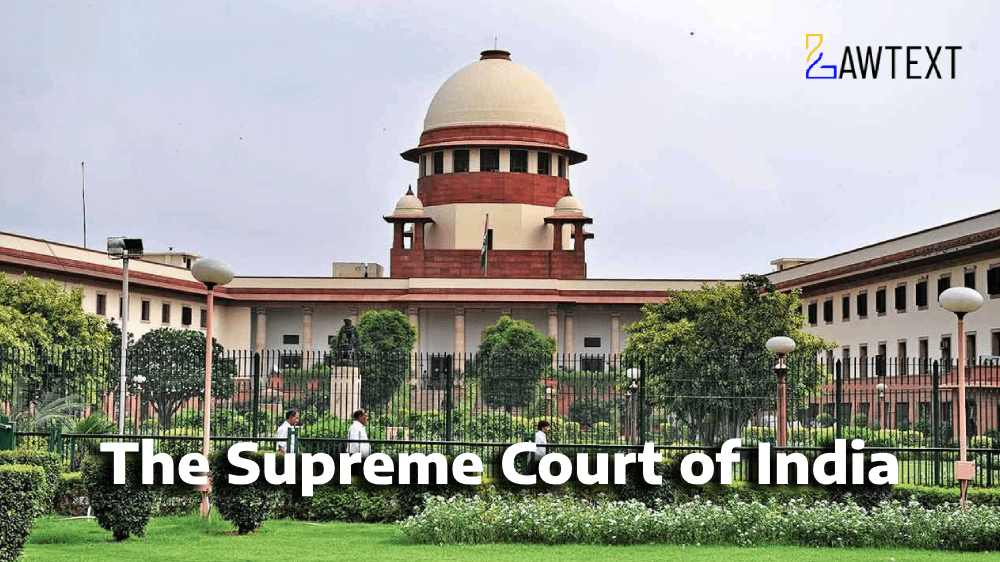
Supreme Court Allows Bank's Appeal, Holds Borrower of Project Loan Not a Consumer Under Consumer Protection Act, 1986. Loan availed for commercial purpose of film post-production excludes company from consumer definition under Section 2(1)(d)(ii).

In Favour of Accused
  • 1286
Judgement Image
Font size:
Print

Case Note & Summary

The Supreme Court considered two appeals arising from an order of the National Consumer Disputes Redressal Commission (NCDRC) dated 30.08.2023. The appellant, Central Bank of India, challenged the NCDRC's finding of deficiency in service and award of compensation to M/s Ad Bureau Pvt. Ltd., a company engaged in advertising. The respondent company had availed a project loan of Rs. 10 crores on 28.04.2014 for post-production of a movie, pledging property as collateral. The company defaulted, and the bank classified the account as NPA, took symbolic possession under SARFAESI Act, and filed a recovery application under RDDBFI Act before DRT, Chennai, which was allowed for Rs. 4,65,39,715 with interest. The company then offered a one-time settlement of Rs. 3.56 crores, which was accepted, and the company paid delayed period interest of Rs. 14.43 lacs. The bank issued No-Dues Certificates on 13.01.2017 and 20.03.2017 and filed a full-satisfaction memo before DRT. However, the bank incorrectly reported the company as a defaulter to RBI and CIBIL with an outstanding amount of Rs. 4.17 crores, causing the company to lose an advertising tender from Airports Authority of India as HDFC Bank refused to issue a bank guarantee upon seeing the defaulter listing. The company filed a consumer complaint before NCDRC, which partly allowed it, awarding Rs. 75,00,000 compensation and litigation costs, and directing the bank to issue a certificate of no dues and correct the defaulter status. The bank appealed, arguing that the company was not a 'consumer' under Section 2(1)(d)(ii) of the Consumer Protection Act, 1986, as the loan was for a commercial purpose. The company cross-appealed on quantum. The Supreme Court framed the issue as whether a borrower of a project loan falls within the definition of 'consumer'. The Court held that the service availed was for a commercial purpose, as the loan was taken to generate profits for the company, and the company did not use the service exclusively for earning livelihood by self-employment. Therefore, the company was not a consumer, and the consumer complaint was not maintainable. The Court allowed the bank's appeal and dismissed the company's cross-appeal, setting aside the NCDRC order.

Headnote

A) Consumer Law - Definition of Consumer - Commercial Purpose Exclusion - Section 2(1)(d)(ii) Consumer Protection Act, 1986 - The borrower of a project loan availed for a commercial purpose, i.e., post-production of a movie, is not a 'consumer' under the Act. The service availed was for generating profits and not for earning livelihood by self-employment. (Paras 1, 12-14)

B) Banking - Deficiency in Service - Unfair Trade Practice - Reporting to CIBIL - The bank's incorrect reporting of the borrower as a defaulter after full settlement constitutes deficiency in service and unfair trade practice, but the consumer complaint is not maintainable as the borrower is not a consumer. (Paras 8-10)

C) Consumer Law - Project Loan - Commercial Purpose - The dominant intention of the loan was to generate profits for the company, thus falling within the exclusion of 'commercial purpose' under Section 2(1)(d)(ii). (Paras 12, 14)

Subscribe to unlock Headnote Subscribe Now

Issue of Consideration

Whether the borrower of a project loan falls within the definition of 'Consumer' under the provisions of the Consumer Protection Act, 1986.

Subscribe to unlock Issue of Consideration Subscribe Now

Final Decision

The Supreme Court allowed the appeal of the bank (Civil Appeal No. 7483 of 2023) and dismissed the cross-appeal of the company (Civil Appeal (Diary) No. 20192 of 2024), setting aside the order of NCDRC dated 30.08.2023. The Court held that the respondent company is not a 'consumer' under the Consumer Protection Act, 1986, as the loan was availed for a commercial purpose.

Law Points

  • Definition of consumer
  • commercial purpose exclusion
  • project loan
  • banking service
  • deficiency in service
  • unfair trade practice
  • wilful defaulter reporting
  • CIBIL reporting
  • Consumer Protection Act
  • 1986
Subscribe to unlock Law Points Subscribe Now

Case Details

2025 LawText (SC) (2) 287

Civil Appeal No. 7483 of 2023 and Civil Appeal (Diary) No. 20192 of 2024

2025-02-28

Sudhanshu Dhulia

Chief Manager, Central Bank of India

M/s Ad Bureau Pvt. Ltd. & Anr.

Subscribe to unlock Case Details (Citation, Judge, Date & more) Subscribe Now

Nature of Litigation

Statutory appeals under Section 23 of the Consumer Protection Act, 1986 against order of NCDRC in a consumer complaint alleging deficiency in service and unfair trade practice by a bank.

Remedy Sought

Appellant bank sought setting aside of NCDRC order awarding compensation; respondent company sought enhancement of compensation.

Filing Reason

Bank incorrectly reported respondent company as defaulter to RBI and CIBIL despite full settlement of loan, causing loss of business opportunity.

Previous Decisions

NCDRC partly allowed consumer complaint, awarded Rs. 75,00,000 compensation and directed bank to issue no-dues certificate and correct defaulter status.

Issues

Whether the borrower of a project loan falls within the definition of 'Consumer' under Section 2(1)(d)(ii) of the Consumer Protection Act, 1986.

Submissions/Arguments

Appellant bank argued that respondent company is not a consumer as the loan was for a commercial purpose, being a business-to-business transaction with dominant intention to generate profits. Respondent company argued that the bank was deficient in service and engaged in unfair trade practice by incorrectly reporting defaulter status after full settlement.

Ratio Decidendi

A person who avails services for a commercial purpose is not a 'consumer' under Section 2(1)(d)(ii) of the Consumer Protection Act, 1986. The exclusion applies when the dominant intention is to generate profits, and the service is not used exclusively for earning livelihood by self-employment.

Judgment Excerpts

The question which arises in these two appeals for our determination is that whether the borrower of a project loan, falls within the definition of 'Consumer' under the provisions of the Consumer Protection Act, 1986. A plain reading of the above makes it clear that where a service is availed, for any 'commercial purpose' then the person who has availed such a service is not a 'consumer' for purposes of the Act.

Procedural History

On 28.04.2014, project loan sanctioned by Central Bank of India to M/s Ad Bureau Pvt. Ltd. Loan defaulted, classified NPA on 04.02.2015. Possession notice under SARFAESI Act on 21.05.2015. Bank filed recovery application under RDDBFI Act before DRT Chennai on 09.10.2015, allowed on 05.12.2016. One-time settlement accepted, No-Dues Certificates issued on 13.01.2017 and 20.03.2017. Bank incorrectly reported defaulter status to RBI/CIBIL. Respondent company filed Consumer Complaint No. 23/2021 before NCDRC, which partly allowed on 30.08.2023. Bank appealed to Supreme Court in Civil Appeal No. 7483 of 2023; company cross-appealed in Civil Appeal (Diary) No. 20192 of 2024.

Acts & Sections

  • Consumer Protection Act, 1986: Section 2(1)(d)(ii), Section 23
  • Securitisation and Reconstruction of Financial Assets and Enforcement of Security Interest Act, 2002:
  • Recovery of Debts Due to Banks and Financial Institutions Act, 1993: Section 19(1)
Subscribe to unlock full Legal Analysis Subscribe Now
Related Judgement
High Court Bombay High Court Upholds School Tribunal's Order for Reinstatement with Backwages Despite Invalidated Caste Certificate — Management's Termination Set Aside for Non-Compliance with Natural Justice and Statutory Rules. Termination based solely on i...
Related Judgement
High Court High Court of Karnataka Allows Insurance Company's Appeal and Partly Allows Claimant's Appeal in Motor Accident Claim — Negligence and Contributory Negligence Determined Based on Police Records and Evidence. Compensation Enhanced for Permanent Disa...





