
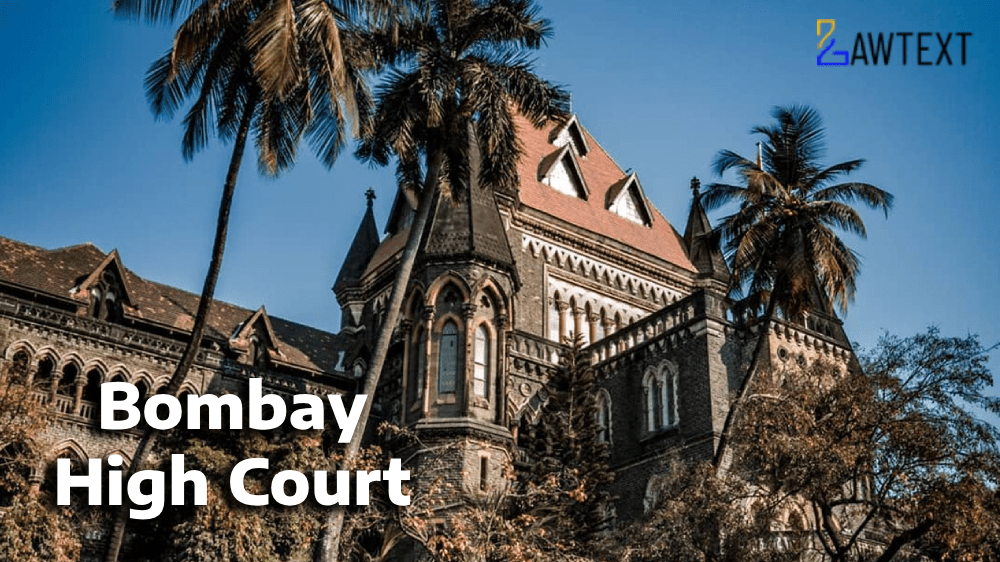
Case Note & Summary
The appellant, Ku. Nilima Dakhane, was the owner of a Kinetic Nova scooter involved in an accident on 10.04.2003, in which respondent No.2, Pandurang Charge, sustained a fracture to his left leg. The injured filed a claim petition before the Motor Accident Claims Tribunal, Nagpur, seeking compensation. The Tribunal awarded Rs. 31,070/- with interest at 7.5% p.a., holding the appellant and the insurance company (Bajaj Allianz) jointly and severally liable, but directed the insurance company to pay the award and then recover the amount from the appellant (pay and recover). The appellant challenged this direction, contending that she held a valid learner's licence at the time of the accident, which should absolve her of liability. The insurance company argued that even if the appellant had a learner's licence, she drove the vehicle alone, in contravention of Rule 3 of the Central Motor Vehicles Rules, 1989, which requires a learner to be accompanied by a person holding an effective driving licence. The High Court examined the policy conditions, which allowed driving by a person holding an effective learner's licence subject to compliance with Rule 3. The Court noted that the insurance company failed to adduce any evidence to prove that the appellant drove without an accompanying licensed driver. Relying on the Supreme Court's decision in National Insurance Co. Ltd. v. Swaran Singh, which held that a learner's licence is a valid licence under the Motor Vehicles Act, 1988, the High Court concluded that the appellant was not in breach of the policy conditions. Consequently, the pay and recover direction against the appellant was set aside, and the insurance company was held solely liable to pay the compensation. The appeal was allowed, and the civil application for additional evidence was also allowed.
Headnote
A) Motor Accident Compensation - Liability of Owner with Learner's Licence - Pay and Recover Direction - The appellant-owner held a valid learner's licence at the time of accident, but the Tribunal directed the insurance company to pay compensation and recover from the owner, holding the owner jointly and severally liable. The High Court held that a learner's licence is a valid driving licence under the Motor Vehicles Act, 1988, and the insurance company cannot avoid liability unless it proves breach of policy conditions, such as violation of Rule 3 of the Central Motor Vehicles Rules, 1989. Since the insurer failed to prove that the owner drove without an accompanying licensed driver, the pay and recover direction against the owner was set aside. (Paras 1-15) B) Motor Accident Compensation - Additional Evidence - Order 41 Rule 27 CPC - The appellant sought to adduce additional evidence of her learner's licence, which was not produced before the Tribunal. The High Court allowed the application, holding that the documents were relevant and necessary for just decision, and the appellant had no opportunity to produce them earlier. (Paras 3, 8) C) Motor Accident Compensation - Breach of Policy Conditions - Rule 3 of Central Motor Vehicles Rules, 1989 - The insurance policy permitted driving by a person holding an effective learner's licence subject to compliance with Rule 3. The insurer contended that the owner drove alone, violating Rule 3. However, the High Court noted that there was no evidence on record to show that the owner was not accompanied by a licensed driver, and the burden to prove breach lies on the insurer. Hence, the insurer was liable to pay compensation without right of recovery from the owner. (Paras 9-15)
Issue of Consideration
Whether the owner of a vehicle who held a valid learner's licence at the time of accident can be held jointly and severally liable for compensation, and whether the 'pay and recover' direction issued by the Tribunal against the owner is sustainable.
Final Decision
The appeal is allowed. The impugned judgment and award dated 25.02.2008 passed by the Motor Accident Claims Tribunal, Nagpur in Claim Petition No. 800 of 2003 is modified to the extent that the direction to the appellant to pay compensation and the 'pay and recover' direction against the appellant are set aside. The respondent No.1 Insurance Company is held solely liable to pay the compensation amount with interest. The civil application for additional evidence (CAF No. 48 of 2009) is allowed.
Law Points
- Learner's licence is a valid driving licence under the Motor Vehicles Act
- 1988
- Insurance company liable to pay compensation even if driver holds learner's licence
- Pay and recover direction cannot be passed against owner if driver holds valid learner's licence
- Breach of Rule 3 of Central Motor Vehicles Rules
- 1989 must be proved by insurer to avoid liability





