
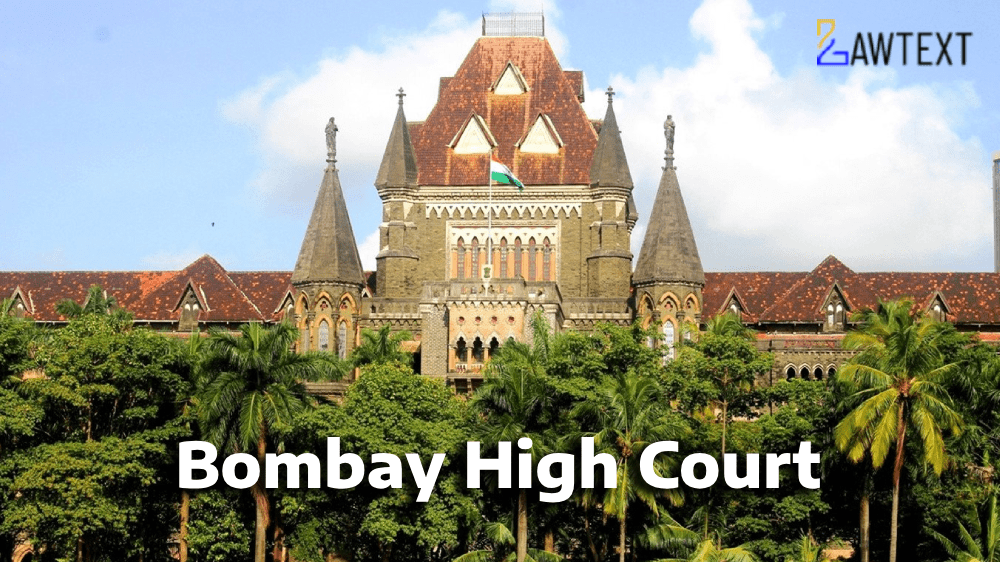
High Court of Bombay Upholds Employee's Reinstatement and Back Wages Claim Due to Procedural Impropriety in Inquiry Process. Inquiry Found to Lack Impartiality and Fairness, Violating Natural Justice Principles.

High Court: Bombay High Court In Favour of Prosecution
  • 521
Judgement Image
Font size:
Print

Case Note & Summary

The dispute arose from a writ petition filed under Article 227 of the Constitution of India, challenging a judgment by the School Tribunal that reinstated an Assistant Teacher, Respondent No.1, and awarded back wages. The Respondent had been employed since 1999 but faced multiple allegations of misconduct, leading to disciplinary actions and eventual termination in 2014. Following a series of appeals and a directive from the High Court for a fresh inquiry, the Management conducted a new inquiry that again resulted in termination. The Tribunal later quashed this termination, citing procedural impropriety and bias in the inquiry process. The Petitioners contended that the Tribunal failed to appreciate the merits of the case and improperly granted back wages without sufficient evidence of the Respondent's employment status during the interregnum. The Court analyzed the inquiry's constitution and the potential bias due to familial ties of the Inquiry Officer, ultimately finding that the inquiry was flawed and the allegations against the Respondent insufficiently grave to warrant dismissal. The Court upheld the Tribunal's decision, directing the Management to process and remit the balance back wages due to the Respondent for the specified period.

Headnote

A) Constitutional Law - Supervisory Jurisdiction - Scope of Article 227 - The Court examined whether the Tribunal acted within its jurisdiction in allowing the appeal and directing notional continuity of service. It held that the inquiry was tainted by bias and lacked procedural propriety, thus justifying the Tribunal's decision (Paras 12-13).

B) Employment Law - Procedural Impropriety - Inquiry Process - The inquiry against the Respondent-Teacher was found to be vitiated by bias due to the involvement of family members of the Inquiry Officer and prior hostilities. The Court emphasized the need for impartiality in disciplinary proceedings (Paras 20-22).

C) Employment Law - Back Wages - Entitlement - The Respondent-Teacher's assertion of non-employment during the disputed period was deemed sufficient to grant back wages, placing the burden on the Management to prove otherwise (Paras 24-25).

Subscribe to unlock Headnote Subscribe Now

Issue of Consideration

Whether the inquiry against the Respondent-Teacher was vitiated by bias and whether the Management had a predetermined stance to terminate the Respondent-Teacher.

Subscribe to unlock Issue of Consideration Subscribe Now

Final Decision

The Court upheld the Tribunal's decision, finding the inquiry tainted by bias and ordering the Management to remit the balance back wages due to Respondent No.1 for the period from 18 October 2014 to 31 July 2017.

Law Points

  • Article 227
  • procedural propriety
  • natural justice
  • bias in inquiry
  • back wages entitlement
Subscribe to unlock Law Points Subscribe Now

Case Details

2025 LawText (BOM) (2) 188

Writ Petition No. 9966 of 2019

2025-02-18

Amit Borkar

Satyajeet A. Rajeshirke, Prashant Kulkarni, Shubham Vasekar, Gautam Kulkarni, Jui Kanade, Shivani Samel, Shruti Tulpule, Snehal S. Jadhav

Abhyudaya Dnyanvardhini Sanstha

Chandrakant Shrirang Gaikar

Subscribe to unlock Case Details (Citation, Judge, Date & more) Subscribe Now

Nature of Litigation

Writ petition challenging the School Tribunal's order regarding termination and reinstatement of an employee.

Remedy Sought

Petitioners sought to quash the Tribunal's order and uphold the termination of Respondent No.1.

Filing Reason

The Petitioners contended that the Tribunal's decision was based on procedural impropriety and bias.

Previous Decisions

The Tribunal had previously reinstated Respondent No.1 and awarded back wages.

Issues

Whether the inquiry was vitiated by bias Whether the Management had a predetermined stance against the Respondent-Teacher

Submissions/Arguments

Petitioners argued that the Tribunal misapplied the law and failed to consider substantive merits. Respondent's counsel contended that the inquiry was biased and improperly conducted.

Ratio Decidendi

The inquiry process must adhere to principles of natural justice and fairness, and any bias or conflict of interest can invalidate the proceedings.

Judgment Excerpts

The inquiry must be free from the vice of perceived or real bias and must adhere to the fair-play principle enshrined in the rules of natural justice. The presence of family members and individuals who had lodged complaints against the Respondent–Teacher casts a serious shadow over the impartiality of the entire proceeding.

Procedural History

The Petition was filed against the Tribunal's order reinstating Respondent No.1 after a series of disciplinary actions and appeals, including a previous directive from the High Court for a de novo inquiry.

Acts & Sections

  • Constitution of India: Article 227
  • Code of Civil Procedure, 1908: Order XII, Rule VI
Subscribe to unlock full Legal Analysis Subscribe Now
Related Judgement
Supreme Court Supreme Court Dismisses Appeal Against Voluntary Retirement Order — No Merit Found in Allegations of Coercion.
Related Judgement
Supreme Court Supreme Court Dismisses Transfer Petition and Special Leave Petition as Withdrawn Following Settlement Between Parties. Court allowed withdrawal of proceedings after parties resolved their inter se disputes through settlement agreement.





