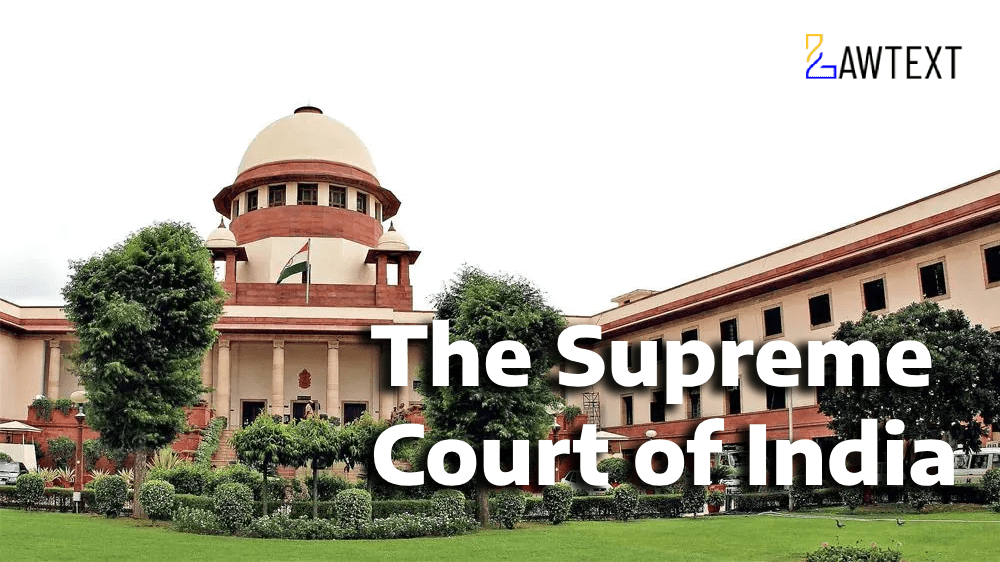
Supreme Court Dismisses Appeal Against High Court Order on Investigation Procedure. The court upheld the Magistrate's decision to proceed under Section 202 Cr.P.C. after taking cognizance of the complaint, affirming that Section 156(3) is applicable only at the pre-cognizance stage.

  • 1
Judgement Image
Font size:
Print

Case Note & Summary

The case involved an appeal by the elder brother of a deceased individual, Kamleshbhai, whose body was discovered on 17th October 2006. The appellant was dissatisfied with the closure of the investigation by the police, which concluded that the death was due to natural causes. Consequently, he filed a complaint before the Metropolitan Magistrate on 17th April 2007, alleging offences under Sections 302 and 120-B of the Indian Penal Code and sought an inquiry under Section 156(3) of the Code of Criminal Procedure (Cr.P.C.). The Magistrate, however, opted for an inquiry under Section 202 Cr.P.C. instead. The appellant's subsequent Criminal Writ Petition was dismissed by the Gujarat High Court on 2nd July 2008, leading to the present appeal. The appellant argued that the Magistrate erred in not directing an investigation under Section 156(3) and that the gravity of the offence warranted a police investigation rather than a court inquiry. The State opposed this, asserting that a final report had already been filed, leaving no room for further investigation under Section 156(3). The court analyzed the powers of the Magistrate under both sections, emphasizing that Section 156(3) is applicable before cognizance is taken, while Section 202 is invoked post-cognizance. The court found no error in the Magistrate's decision to proceed under Section 202 and dismissed the appeal, affirming the High Court's order.

Headnote

A) Criminal Procedure - Investigation Powers - Distinction between Pre-Cognizance and Post-Cognizance Stages - Code of Criminal Procedure, 1973, Sections 156(3), 202 - The court held that the Magistrate correctly invoked Section 202 Cr.P.C. after taking cognizance of the complaint, as the powers under Section 156(3) are applicable only at the pre-cognizance stage. The appeal was dismissed as the learned Magistrate's approach was found to be appropriate in the context of the case (Paras 10-19).

Subscribe to unlock Headnote Subscribe Now

Issue of Consideration

Whether the Magistrate erred in rejecting the prayer for investigation under Section 156(3) Cr.P.C. and opting for Section 202 Cr.P.C.

Subscribe to unlock Issue of Consideration Subscribe Now

Final Decision

The Supreme Court dismissed the appeal, affirming the High Court's order and the Magistrate's decision to proceed under Section 202 Cr.P.C. The court found no error in the Magistrate's approach and upheld the distinction between the powers under Sections 156(3) and 202 Cr.P.C.

Law Points

  • investigation powers
  • cognizance
  • Section 156(3) Cr.P.C.
  • Section 202 Cr.P.C.
  • judicial discretion
Subscribe to unlock Law Points Subscribe Now

Case Details

2010 LawText (SC) (03) 29

Criminal Appeal No. of 2010 (@Special Leave Petition(CRL) No.8600 of 2008)

2010-03-19

Altamas Kabir, Cyriac Joseph

Nachiketa Joshi, Meenakshi Lekhi

Rameshbhai Pandurao Hedau

State of Gujarat

Subscribe to unlock Case Details (Citation, Judge, Date & more) Subscribe Now

Nature of Litigation

Criminal appeal concerning the rejection of a prayer for investigation

Remedy Sought

Appellant sought an inquiry under Section 156(3) Cr.P.C.

Filing Reason

Dissatisfaction with the closure of the investigation into the death of his brother

Previous Decisions

High Court dismissed the Criminal Writ Petition filed by the appellant

Issues

Whether the Magistrate erred in rejecting the prayer for investigation under Section 156(3) Cr.P.C. Whether the invocation of Section 202 Cr.P.C. was appropriate in this case

Submissions/Arguments

Appellant argued for an investigation under Section 156(3) Cr.P.C. due to the serious nature of the offence. State contended that a final report had been filed, leaving no scope for further investigation under Section 156(3) Cr.P.C.

Ratio Decidendi

The powers under Section 156(3) Cr.P.C. are applicable at the pre-cognizance stage, while Section 202 Cr.P.C. is invoked post-cognizance. The court upheld the Magistrate's discretion to choose the appropriate procedure based on the stage of the proceedings.

Judgment Excerpts

The cause of death of the deceased was on account of cardio-respiratory arrest due to lungs pathology. The learned Metropolitan Magistrate had committed an error in rejecting the Appellant’s prayer for an investigation under Section 156(3) of the Code. The appeal is, accordingly, dismissed.

Procedural History

The appellant filed a complaint on 17th April 2007, which was postponed for court inquiry by the Magistrate. A Criminal Writ Petition was filed before the Gujarat High Court, which was dismissed on 2nd July 2008, leading to the present appeal.

Acts & Sections

  • Code of Criminal Procedure, 1973: 156(3), 173(2), 202, 190, 200
  • Indian Penal Code: 302, 114, 120-B
Subscribe to unlock full Legal Analysis Subscribe Now
Related Judgement
Supreme Court Supreme Court Affirms Setting Aside of Auction Sale for Non-Compliance with Mandatory Notice Under SARFAESI Act — Orders Refund with 12% Compound Interest. The Bank's failure to issue mandatory 30-day notice under Rules 8(6) and 8(7) of Security In...
Related Judgement
Supreme Court Supreme Court Allows Assessee in Sales Tax Exemption Case — Remits for Fresh Consideration. The Supreme Court found that the High Court failed to properly interpret the Exemption Notifications and directed the AO to reassess the exemption claims ba...