
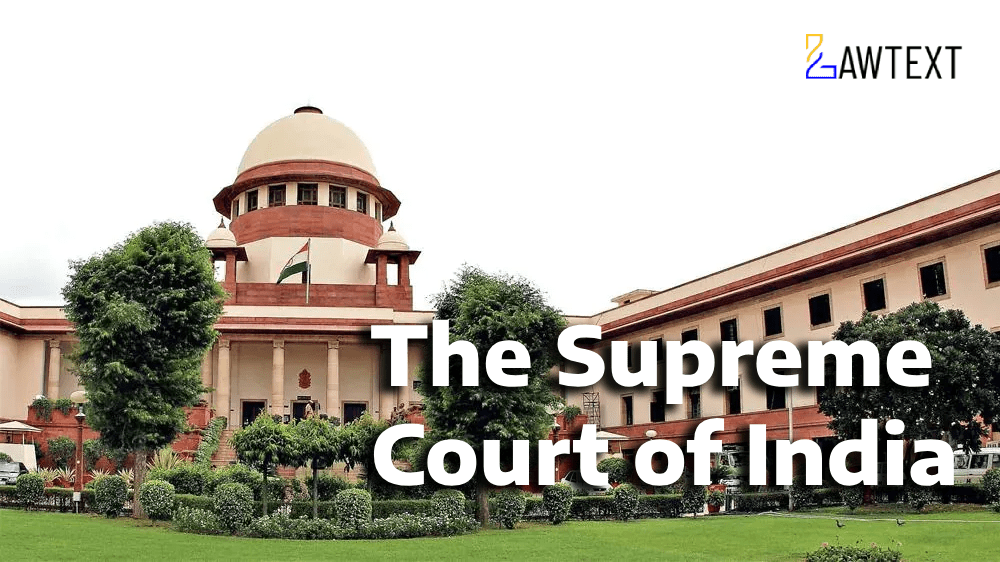
Supreme Court Quashes Criminal Proceedings Against Non-Executive Director for Dishonored Cheques — Liability Not Established. The court found that the complaints lacked specific averments to hold the Appellant liable under the Negotiable Instruments Act.

In Favour of Accused
  • 402
Judgement Image
Font size:
Print

Case Note & Summary

The case involved appeals against a High Court judgment dismissing petitions to quash criminal proceedings under Section 138 of the Negotiable Instruments Act, 1881 against a non-executive director of a company. The Appellant, who had been appointed as an independent non-executive director, was accused in complaints alleging dishonor of cheques issued by the company. The Appellant argued that he had no role in the financial operations of the company and had resigned before the cheques were dishonored. The Respondents contended that the Appellant's role as a director warranted examination during trial. The Supreme Court analyzed the legal principles surrounding vicarious liability under the Negotiable Instruments Act, emphasizing that specific allegations of involvement are required to establish liability. The Court noted that the Appellant was not a signatory to the cheques and had no active involvement in the company's financial decisions. Consequently, the Court quashed the criminal proceedings against the Appellant, stating that the complaints did not meet the necessary legal requirements to implicate him. The appeals were allowed, and no costs were ordered.

Headnote

A) Criminal Law - Vicarious Liability - Non-executive Director's Liability - Negotiable Instruments Act, 1881, Sections 138, 141 - The court held that mere designation as a director does not establish liability; specific allegations of involvement are necessary to hold a non-executive director liable under the Act. The Appellant was neither a signatory to the cheques nor involved in financial decisions, thus could not be held liable (Paras 15-21).

Subscribe to unlock Headnote Subscribe Now

Issue of Consideration

Whether the Appellant, as a non-executive director, could be held vicariously liable for dishonored cheques issued by the company.

Subscribe to unlock Issue of Consideration Subscribe Now

Final Decision

The Supreme Court quashed the criminal proceedings against the Appellant, stating that the complaints did not meet the mandatory legal requirements to implicate him under Section 141 of the Negotiable Instruments Act.

Law Points

  • Vicarious liability
  • Non-executive director liability
  • Section 138 Negotiable Instruments Act
  • 1881
  • Section 141 Negotiable Instruments Act
  • Specific averments in complaints

Subscribe to unlock Law Points Subscribe Now

Case Details

2025 LawText (SC) (2) 136

SLP (Crl.) Nos. 4051-4054 of 2020

2025-02-13

SATISH CHANDRA SHARMA, B. V. NAGARATHNA

2025 INSC 223

KAMALKISHOR SHRIGOPAL TAPARIA

INDIA ENER-GEN PRIVATE LIMITED & ANR.

Subscribe to unlock Case Details (Citation, Judge, Date & more) Subscribe Now

Nature of Litigation

Criminal proceedings under the Negotiable Instruments Act for dishonored cheques.

Remedy Sought

The Appellant sought to quash the criminal proceedings against him.

Filing Reason

Complaints were filed alleging dishonor of cheques issued by the company.

Previous Decisions

The High Court dismissed the Appellant's petitions under Section 482 of the Code of Criminal Procedure.

Issues

Whether the Appellant could be held vicariously liable under Section 141 of the Negotiable Instruments Act. Whether the complaints contained sufficient averments to implicate the Appellant.

Submissions/Arguments

The Appellant argued that he had no involvement in the financial affairs of the company and had resigned before the offence occurred. The Respondents contended that the Appellant's role as a director warranted examination during trial.

Ratio Decidendi

Liability under Section 141 of the Negotiable Instruments Act requires specific allegations of involvement in the company's affairs; mere designation as a director is insufficient.

Judgment Excerpts

The role of the director is a matter of trial and that the complainant has made sufficient averments regarding the Appellant’s involvement. The complaints do not contain any specific averments detailing how the Appellant was responsible for the dishonoured cheques. The Appellant cannot be held vicariously liable under section 141 of the NI Act.

Procedural History

The Appellant filed petitions under Section 482 of the Code of Criminal Procedure to quash the criminal proceedings, which were dismissed by the High Court on 06.08.2019, leading to the present appeals.

Acts & Sections

  • Negotiable Instruments Act, 1881: Section 138, Section 141
  • Code of Criminal Procedure, 1973: Section 482
Subscribe to unlock full Legal Analysis Subscribe Now
Related Judgement
High Court Madras High Court Allows Condonation of 70-Day Delay in Setting Aside Exparte Decree — Liberal Approach to Delay Condonation. Petitioner's Ill-Health and Death of Plaintiff Constitute Sufficient Cause Under Section 5 of Limitation Act, 1963.
Related Judgement
High Court Bombay High Court Quashes Criminal Proceedings Against Teachers in Absence of Prima Facie Case Under Sections 354, 509, 294 IPC. Allegations of Outraging Modesty and Obscene Acts Found Baseless as Complainant's Own Conduct and Delay Indicate Maliciou...





