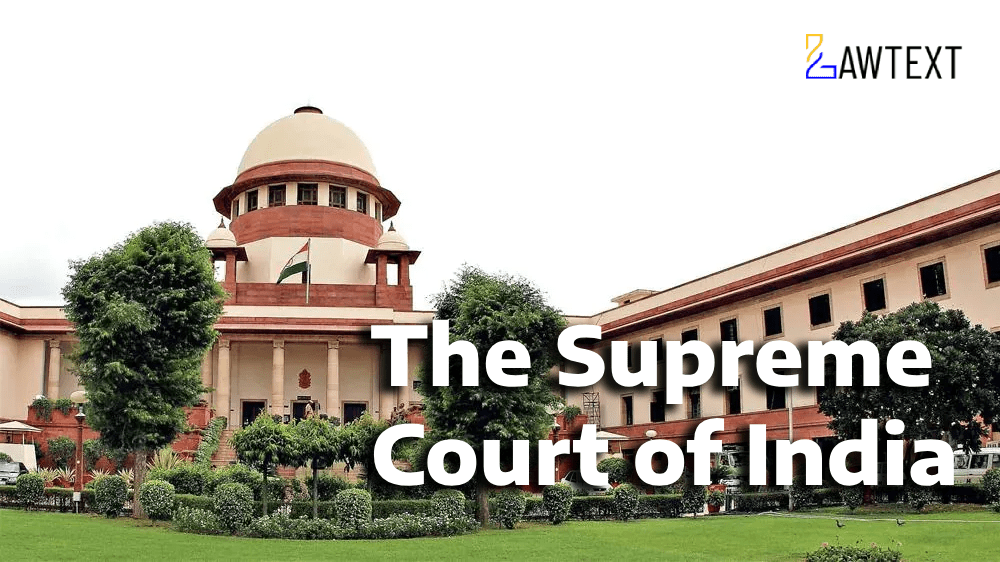
Supreme Court Dismisses Election Petition Challenging Presidential Election Due to Procedural Non-compliance. Election Petition Found Lacking Valid Cause of Action as Allegations Did Not Meet Statutory Grounds Under the Presidential and Vice-Presidential Elections Act, 1952.

  • 1
Judgement Image
Font size:
Print

Case Note & Summary

The Supreme Court addressed the procedural aspects of an election petition challenging the election of the President of India. The petitioner contended that the respondent was ineligible to contest due to holding certain offices. The court noted that the procedure for election petitions is governed by the Presidential and Vice-Presidential Elections Act, 1952, and the Supreme Court Rules, 1966. It highlighted that an election petition must be presented to a bench of five judges for preliminary hearing, where the court assesses whether the petition warrants a regular hearing. The court emphasized that dismissal at this stage requires clear and cogent reasons. The respondent argued that he had resigned from the contested offices before the crucial date, while the petitioner disputed this claim. The court found that the eligibility question, particularly regarding whether the offices held constituted 'offices of profit' under Article 58, could not be determined without a full hearing. Ultimately, the court dismissed the petition on procedural grounds, underscoring the importance of adhering to statutory requirements for challenging elections.

Headnote

A) Election Law - Procedure for Election Petitions - Jurisdiction and Procedure - Presidential and Vice-Presidential Elections Act, 1952, Sections 14, 14A - The Supreme Court held that the procedure for adjudicating election petitions is governed by the Elections Act and the Supreme Court Rules, 1966, which stipulate a preliminary hearing before a bench of five judges. The court emphasized the need for rational grounds for dismissing petitions at the preliminary stage, ensuring judicial credibility (Paras 1-17).

B) Election Law - Grounds for Challenging Elections - Eligibility and Offices of Profit - Presidential and Vice-Presidential Elections Act, 1952, Sections 18, 19 - The court examined whether the respondent's alleged holding of certain offices rendered him ineligible to contest the presidential election. It concluded that the determination of eligibility based on the nature of the offices held is a factual question that cannot be resolved at the preliminary hearing stage (Paras 27-36).

Subscribe to unlock Headnote Subscribe Now

Issue of Consideration

What is the appropriate procedure for adjudicating an election petition under the Presidential and Vice-Presidential Elections Act, 1952?

Subscribe to unlock Issue of Consideration Subscribe Now

Final Decision

The Supreme Court dismissed the election petition on procedural grounds, stating that the allegations did not disclose a valid cause of action for a regular hearing.

Law Points

  • Election petitions
  • jurisdiction of Supreme Court
  • procedure for election disputes
  • grounds for challenging elections
  • offices of profit
Subscribe to unlock Law Points Subscribe Now

Case Details

2012 LawText (SC) (12) 79

Election Petition No. 1 of 2012

2012-07-23

Chelameswar, J.

Ram Jethmalani

Purno Agitok Sangma

Pranab Mukherjee

Subscribe to unlock Case Details (Citation, Judge, Date & more) Subscribe Now

Nature of Litigation

Election petition challenging the election of the President of India.

Remedy Sought

Petitioner sought to declare the election of the respondent void.

Filing Reason

Alleged ineligibility of the respondent due to holding certain offices.

Issues

What is the appropriate procedure for adjudicating an election petition? Did the respondent hold any offices that rendered him ineligible to contest?

Submissions/Arguments

Petitioner argued that the respondent was ineligible due to holding offices of profit. Respondent claimed he had resigned from the contested offices before the crucial date.

Ratio Decidendi

The court emphasized that election petitions must adhere to the statutory procedures outlined in the Elections Act and the Supreme Court Rules, and that eligibility questions based on factual determinations cannot be resolved at the preliminary hearing stage.

Judgment Excerpts

The procedure that is required to be followed in an election petition calling in question the election of the respondent as the President of India is the subject matter of controversy. The court emphasized the need for rational grounds for dismissing petitions at the preliminary stage. The question remains as to what is the procedure that is required to be followed by this Court while adjudicating an election dispute under the Elections Act.

Procedural History

The election petition was filed challenging the election of the President of India, leading to a preliminary hearing before the Supreme Court.

Acts & Sections

  • Presidential and Vice-Presidential Elections Act, 1952: Sections 14, 14A, 18, 19
  • Constitution of India: Articles 58, 71, 145, 329
Subscribe to unlock full Legal Analysis Subscribe Now
Related Judgement
Supreme Court Supreme Court Sets Aside Pre-Import Condition for IGST Exemption in Advance Authorisation Scheme — Upholds Exporters' Rights.
Related Judgement
Supreme Court Supreme Court Upholds Employee's Reinstatement with Interim Relief Under Industrial Disputes Act. Court affirms the power to grant interim relief similar to Section 17-B during appeal proceedings to ensure employee subsistence.