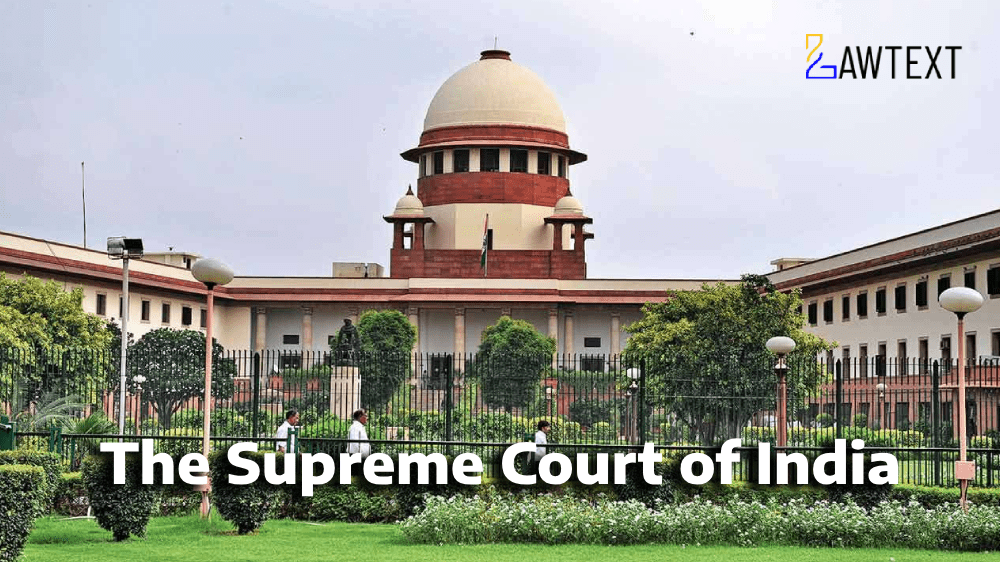
Supreme Court Upholds Death Sentence in Gruesome Child Rape and Murder Case — Emphasizes Need for Deterrent Punishment. Citing the heinous nature of the crime, the court confirmed the death sentence, stating that such acts shock the collective conscience of society.

In Favour of Prosecution
  • 4
Judgement Image
Font size:
Print

Case Note & Summary

The case involved a brutal crime where the respondent was convicted for the rape and murder of a minor girl, Pooja, under Sections 302, 376, and 201 of the Indian Penal Code (IPC). The Sessions Court sentenced him to death on 15.04.2004, citing overwhelming evidence. However, the High Court of Rajasthan, in its judgment dated 09.11.2004, commuted the death sentence to life imprisonment, maintaining the convictions under the other sections. The State appealed, arguing that the crime warranted the death penalty due to its heinous nature. The Supreme Court analyzed the nature of the crime, emphasizing that certain murders, particularly those involving minors, shock the collective conscience of society and should be treated as 'rarest of rare' cases. The court discussed the need to balance aggravating and mitigating factors, noting that while the respondent was young, the extreme depravity of the crime outweighed this consideration. The court ultimately held that the death sentence was justified and should be confirmed, emphasizing the need for deterrent punishment in such cases. The court also addressed procedural aspects regarding the confirmation of death sentences, stating that the High Court had failed to adequately consider the special reasons for commuting the sentence. The court concluded that the nature of the crime and the absence of compelling mitigating factors warranted the imposition of the death penalty.

Headnote

A) Criminal Law - Death Penalty - Confirmation of Death Sentence - Code of Criminal Procedure, 1973, Sections 366, 368 - The court examined the nature of the crime and the necessity of confirming the death sentence, emphasizing that heinous crimes against minors shock the collective conscience of society. It held that the absence of special reasons by the High Court in commuting the death sentence was a significant oversight (Paras 20-24).

B) Criminal Law - Aggravating and Mitigating Factors - Code of Criminal Procedure, 1973, Section 354(3) - The court highlighted the need to balance aggravating and mitigating factors when determining the appropriateness of the death penalty, asserting that extreme depravity in the crime warranted the death sentence (Paras 7-19).

C) Criminal Law - Nature of Crime - Indian Penal Code, 1860, Sections 302, 376 - The court noted that the brutal nature of the crime, involving the rape and murder of a minor, placed it within the category of 'rarest of rare' cases, justifying the imposition of the death penalty (Paras 15-19).

Subscribe to unlock Headnote Subscribe Now

Issue of Consideration

Whether the death sentence should be confirmed in light of the nature of the crime and the mitigating factors.

Subscribe to unlock Issue of Consideration Subscribe Now

Final Decision

The Supreme Court confirmed the death sentence, stating that the nature of the crime warranted such a penalty due to its extreme depravity and the shock it caused to the collective conscience of society. The court emphasized the need for deterrent punishment in cases involving heinous crimes against minors.

Law Points

  • Death penalty
  • Rarest of rare cases
  • Aggravating and mitigating factors
  • Confirmation of death sentence
  • Special reasons for death penalty

Subscribe to unlock Law Points Subscribe Now

Case Details

2013 LawText (SC) (09) 80

Criminal Appeal No. 659 of 2006

2013-09-10

Kurian, J.

State of Rajasthan

Jamil Khan

Subscribe to unlock Case Details (Citation, Judge, Date & more) Subscribe Now

Nature of Litigation

Criminal appeal regarding the confirmation of death sentence.

Remedy Sought

The State sought confirmation of the death sentence.

Filing Reason

The High Court commuted the death sentence to life imprisonment.

Previous Decisions

The Sessions Court had sentenced the respondent to death, which was later commuted by the High Court.

Issues

Whether the death sentence should be confirmed based on the nature of the crime. What constitutes special reasons for imposing the death penalty.

Submissions/Arguments

The State argued that the crime was heinous and warranted the death penalty. The respondent's defense did not challenge the conviction but focused on mitigating factors.

Ratio Decidendi

The court held that the death penalty is justified in cases of extreme depravity, particularly involving heinous crimes against minors, and emphasized the need for a careful balance of aggravating and mitigating factors.

Judgment Excerpts

All murders shock the community; but certain murders shock the conscience of the Court and the community. The injuries present on the body of the tiny child would clearly establish the barbaric nature of the commission of the offence. Heinous rape of minors followed by murder is one such instance of a crime which shocks and repulses the collective conscience of the community. The court emphasized the need to balance aggravating and mitigating factors when determining the appropriateness of the death penalty. The nature of the crime and the absence of compelling mitigating factors warranted the imposition of the death penalty.

Procedural History

The Sessions Court convicted the respondent on 15.04.2004 and sentenced him to death. The High Court commuted the death sentence to life imprisonment on 09.11.2004. The State filed an appeal in May 2005, and the Supreme Court heard the matter in September 2013.

Acts & Sections

  • Code of Criminal Procedure, 1973: Sections 366, 368, 432, 433, 354(3)
  • Indian Penal Code, 1860: Sections 302, 376, 201
Subscribe to unlock full Legal Analysis Subscribe Now
Related Judgement
High Court Court Schedules Further Hearing in O.J.C. Matter. Interim Hearing Set for 15.1.2018 Following Partial Hearing.
Related Judgement
Supreme Court Supreme Court Allows Appeals by State Bank of India in Jet Airways Insolvency Case — Holds Performance Bank Guarantee Cannot Be Adjusted Against Resolution Plan Payment and Non-Implementation Leads to Liquidation. The Court ruled that the SRA's fai...