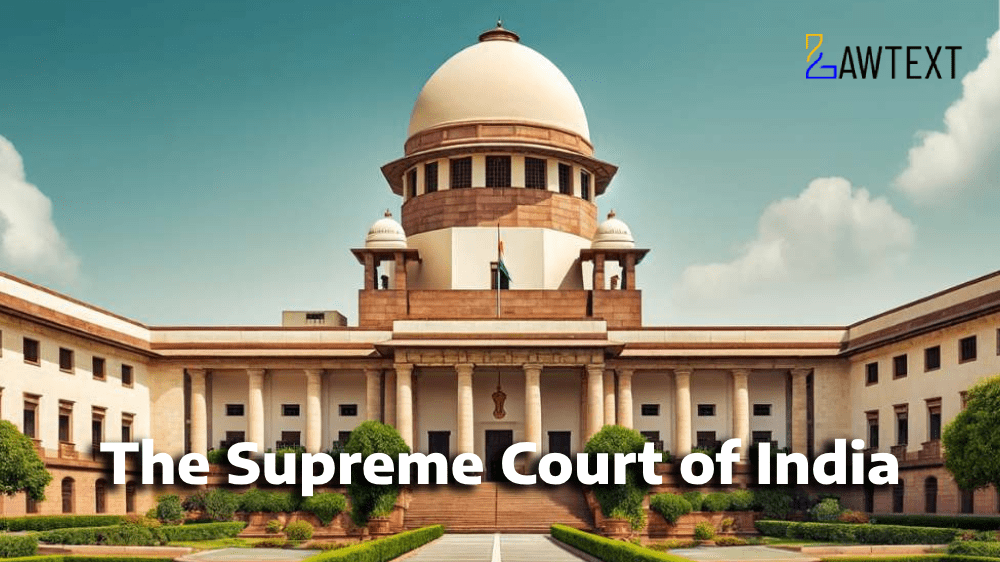
Case Note & Summary
The Supreme Court of India addressed the constitutional validity of Section 377 of the Indian Penal Code, 1860, which criminalizes consensual sexual acts between adults in private. The case arose from a Public Interest Litigation filed by the NAZ Foundation, an NGO focused on HIV/AIDS intervention, challenging the discriminatory nature of Section 377. The Delhi High Court had previously ruled that the section violated Articles 14, 15, and 21 of the Constitution, leading to appeals by various parties opposing this decision. The High Court's ruling was based on the premise that Section 377 infringed upon the right to privacy and dignity, essential components of personal liberty under Article 21. It highlighted the negative impact of the law on the LGBTQ community, arguing that it perpetuated discrimination and hindered public health efforts related to HIV/AIDS. The court referenced various judgments and reports to support its findings, emphasizing that the criminalization of consensual acts was not justified by public morality or health concerns. The Supreme Court ultimately upheld the High Court's decision, reinforcing the principles of equality and non-discrimination enshrined in the Constitution. The judgment marked a significant step towards recognizing the rights of sexual minorities in India, asserting that the law must evolve to reflect contemporary values and protect individual freedoms.
Headnote
A) Constitutional Law - Right to Privacy - Criminalization of Consensual Acts - Section 377 IPC, 1860 - The High Court held that Section 377 IPC violates the right to privacy and dignity under Article 21, as it criminalizes consensual sexual acts between adults in private, thus denying their personhood. The judgment emphasized the need for decriminalization to protect fundamental rights and public health (Paras 9-10). B) Constitutional Law - Discrimination - Violation of Articles 14 and 15 - Section 377 IPC, 1860 - The High Court found that Section 377 creates an arbitrary classification between natural and unnatural sexual acts, lacking a rational nexus to its legislative objective, thereby violating Articles 14 and 15. The court noted that the provision disproportionately impacts sexual minorities and is thus unconstitutional (Paras 11-12).
Issue of Consideration
Whether Section 377 of the Indian Penal Code, 1860, which criminalizes consensual sexual acts of adults in private, is unconstitutional.
Final Decision
The Supreme Court upheld the Delhi High Court's decision, declaring Section 377 IPC unconstitutional insofar as it criminalizes consensual sexual acts between adults in private, reinforcing the rights to privacy and dignity under Articles 21, 14, and 15 of the Constitution.
Law Points
- Constitutional validity
- Section 377 IPC
- Articles 14
- 15
- 21
- Public Interest Litigation
- Fundamental Rights
- Privacy
- Dignity
- Discrimination