Case Note & Summary
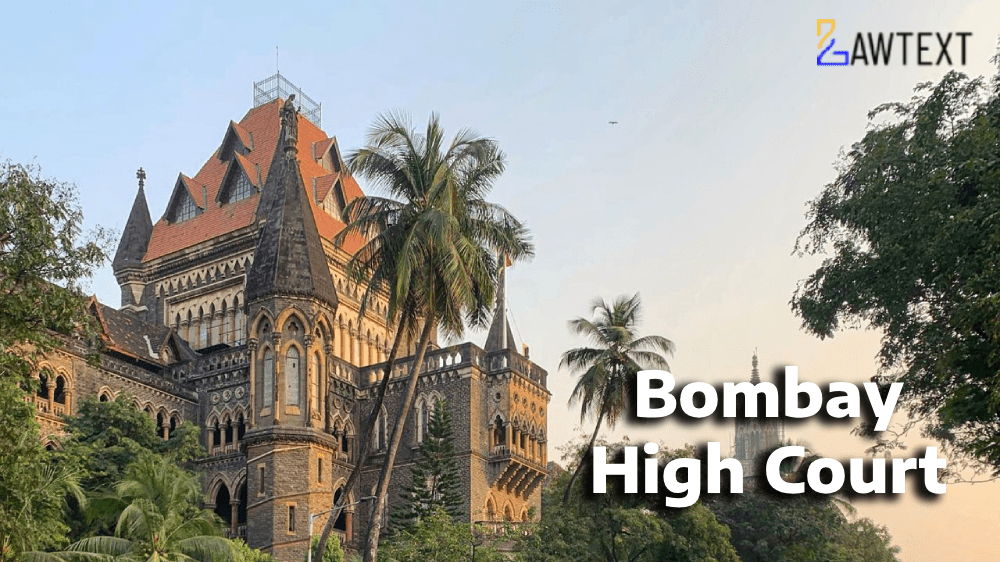
The case arises from a criminal revision application filed by Shivaji Santu Zanzad, a driver of a PMT bus, challenging his conviction under Sections 279, 304(A) and 337 of the Indian Penal Code, 1860 (IPC) for causing the death of a pillion rider and injuries to the motorcycle rider due to alleged rash and negligent driving. The incident occurred on 19 April 1993 at 7:15 a.m. when the bus, driven by the applicant, collided with a Hero Honda motorcycle at a junction on Pune-Nagar road. The motorcycle was driven by PW-3 (first informant) with Umeshchandra Kuswah as pillion. The pillion rider succumbed to injuries the same day. The trial court convicted the applicant, and the appellate court upheld the conviction. The applicant then filed this revision before the Bombay High Court. The key legal issues were whether the conviction based on the sole testimony of PW-3 (the motorcycle rider) was sustainable, and whether the evidence of PW-1 (the bus conductor) was wrongly rejected. The prosecution examined three witnesses: PW-1 (conductor), PW-2 (panch witness), and PW-3 (motorcycle rider). The doctor who treated the deceased was not examined. The trial and appellate courts disbelieved PW-1's testimony on the ground that he was an interested witness (being a PMT employee) and relied solely on PW-3's testimony to convict the applicant. The High Court, after hearing arguments, found that the courts below had erred in rejecting PW-1's evidence. PW-1, in his cross-examination, admitted that he was standing in the driver's cabin and had a clear view of the road. He stated that a jeep was coming from the opposite direction, and the motorcycle overtook the jeep and cut across to the right side of the bus, resulting in the collision. The spot panchnama showed only a dent and scratch on the bus and damage to the motorcycle's headlight and kickstart, which corroborated PW-1's version. The High Court held that the evidence of PW-1 could not be discarded solely on the ground of interest, and that his admissions were consistent with the physical evidence. Since PW-3's testimony was disbelieved by the courts below, there was no reliable evidence to prove rash or negligent driving by the applicant. The court also noted that the prosecution failed to examine the doctor, which weakened the case. Consequently, the High Court allowed the revision application, set aside the conviction and sentence, and acquitted the applicant.
Headnote
A) Criminal Procedure Code - Revision - Powers of High Court - Section 397 Cr.P.C. - Interference with concurrent findings - The High Court in revision can interfere with concurrent findings of fact if the findings are perverse, based on no evidence, or suffer from a patent error of law. In the present case, the courts below rejected the evidence of PW-1 (conductor) solely on the ground that he was an interested witness, without considering the admissions in his cross-examination that supported the defence version. Held that such rejection was improper and the evidence of PW-1 ought to have been considered (Paras 4-6). B) Indian Penal Code, 1860 - Sections 279, 304(A), 337 - Rash and Negligent Driving - Burden of proof - The prosecution must prove beyond reasonable doubt that the accused drove the vehicle in a rash or negligent manner. In this case, the sole eyewitness PW-3's testimony was disbelieved by the courts below, and the evidence of PW-1 (conductor) clearly showed that the motorcycle overtook a jeep and cut across the bus, causing the accident. The spot panchnama indicated only minor damage to the bus (dent and scratch) and damage to the motorcycle's headlight and kickstart, which was consistent with the defence version. Held that the prosecution failed to prove rashness or negligence on the part of the applicant (Paras 5-7). C) Evidence Act, 1872 - Section 3 - Interested Witness - Credibility - The evidence of an interested witness cannot be discarded solely on the ground of interest; it must be scrutinized carefully. In this case, PW-1 (conductor) was an employee of the PMT, but his cross-examination admissions were given on suggestions by the defence and were consistent with the physical evidence. Held that the courts below erred in rejecting his evidence without proper scrutiny (Paras 5-6).
Issue of Consideration
Whether the conviction of the Revision Applicant under Sections 279, 304(A) and 337 IPC based on the sole testimony of PW-3 and rejection of PW-1's evidence is sustainable in law.
Final Decision
The High Court allowed the revision application, set aside the conviction and sentence, and acquitted the applicant of all charges.
Law Points
- Concurrent findings can be interfered with in revision if perverse or based on no evidence
- Evidence of interested witness cannot be discarded solely on ground of interest if it is credible
- Rash and negligent driving must be proved beyond reasonable doubt
- Sole eyewitness testimony must be reliable and corroborated