
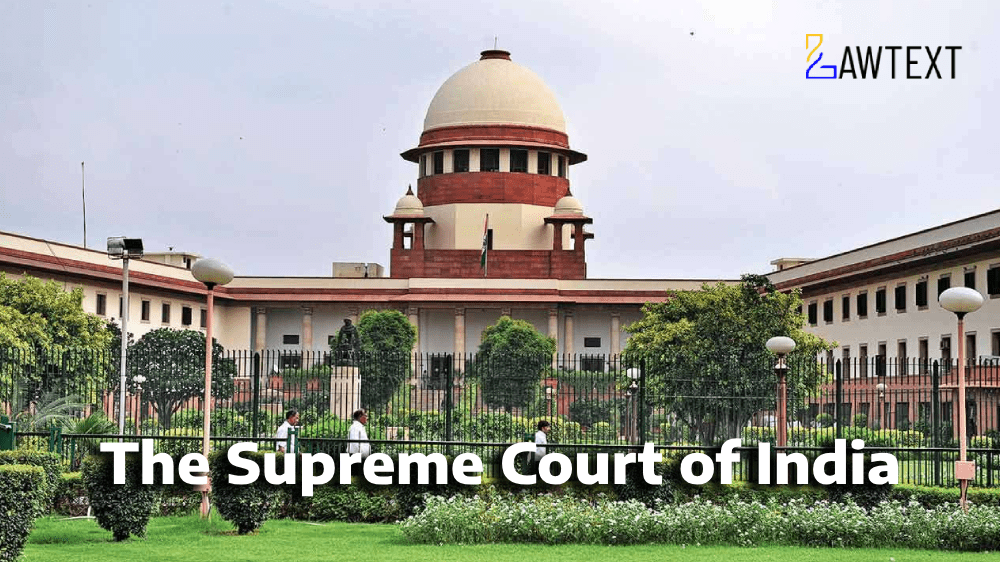
Supreme Court Dismisses Union of India's Appeal Against Tribunal's Order Setting Aside Conviction of Air Force Officer in Custodial Death Case. Lack of Evidence of Assault or Intent to Cause Death Leads to Acquittal Under Section 304 Part II IPC.

In Favour of Accused
  • 294
Judgement Image
Font size:
Print

Case Note & Summary

The case involves an appeal by the Union of India against the judgment of the Armed Forces Tribunal which set aside the conviction of Wing Commander M.S. Mander, a respondent, who was tried by a General Court Martial along with four other Air Force officers. The charges included murder under Section 302 read with Section 149 IPC, alternatively under Section 302 IPC, and other offences under the Air Force Act, 1950, including unbecoming conduct and acts prejudicial to good order. The incident occurred on 6th March 1998, when the deceased, signalman UD Garje, was sent to repair a telephone at the residence of Flight Lieutenant S. Verma (accused No.3). It was alleged that the deceased misbehaved with Verma's wife, leading to a complaint. The respondent, as a senior officer, was informed and directed that the deceased be confined to the Guards' room. The deceased was brought to a gypsy driven by the respondent, but while being transported, he jumped out and ran away, falling into a ditch and sustaining injuries that led to his death the next day. The General Court Martial found the respondent guilty under Section 304 Part II read with Section 149 IPC, Section 342 IPC, and Sections 45 and 65 of the Air Force Act, sentencing him to five years' rigorous imprisonment and cashiering, later reduced to two years' imprisonment by the Chief of Air Staff. The respondent challenged the conviction before the Armed Forces Tribunal, which set aside the conviction and granted consequential reliefs except back wages. The Union of India appealed to the Supreme Court. The Supreme Court examined the evidence of prosecution witnesses and the medical evidence. The Court noted that there was no evidence of any assault by the respondent or any co-accused on the deceased. The injuries were consistent with a fall into a ditch. The Court found no act by the respondent directly connected to the cause of death, and therefore, the conviction under Section 304 Part II IPC could not be sustained. Consequently, the other charges also failed. The Supreme Court dismissed the appeal, upholding the Tribunal's order.

Headnote

A) Criminal Law - Culpable Homicide - Section 304 Part II IPC - Absence of Direct Evidence - The respondent was convicted by a General Court Martial for culpable homicide not amounting to murder. The Supreme Court held that there was no evidence of any assault by the respondent or any co-accused on the deceased. The deceased jumped from a moving gypsy and fell into a ditch, sustaining fatal injuries. The Court found no act by the respondent directly connected to the cause of death, and therefore, the conviction could not be sustained. (Paras 6-8)

B) Air Force Act, 1950 - Sections 45, 65, 71 - Unbecoming Conduct and Prejudicial Acts - The respondent was also charged under these sections. The Supreme Court noted that the Tribunal had set aside the conviction on the ground of lack of evidence. Since the main charge under Section 304 Part II IPC failed, and there was no evidence of any assault or direct involvement in the death, the other charges also could not stand. (Paras 1, 9)

C) Armed Forces Tribunal - Judicial Review - Scope - The Tribunal set aside the conviction of the respondent. The Supreme Court upheld the Tribunal's decision, finding no perversity or error in the appreciation of evidence. The Court emphasized that the prosecution failed to prove any act by the respondent that caused the death, and the injuries were consistent with a fall. (Paras 5-9)

Subscribe to unlock Headnote Subscribe Now

Issue of Consideration

Whether the Armed Forces Tribunal erred in setting aside the conviction of the respondent under Section 304 Part II read with Section 149 IPC and other charges under the Air Force Act, 1950, when there was evidence of his involvement in confining the deceased who later died due to injuries sustained from a fall.

Subscribe to unlock Issue of Consideration Subscribe Now

Final Decision

The Supreme Court dismissed the appeal, upholding the Armed Forces Tribunal's order setting aside the conviction of the respondent. The Court found no evidence of any act by the respondent directly connected to the cause of death, and therefore, the conviction under Section 304 Part II IPC and other charges could not be sustained.

Law Points

  • Culpable homicide not amounting to murder
  • Section 304 Part II IPC
  • absence of direct evidence of assault
  • no intention to cause death
  • benefit of doubt
  • Air Force Act
  • 1950
  • Sections 45
  • 65
  • 71
  • General Court Martial
  • Armed Forces Tribunal
  • scope of judicial review
Subscribe to unlock Law Points Subscribe Now

Case Details

2024 LawText (SC) (10) 331

Criminal Appeal No. 190 of 2011

2024-10-18

Abhay S. Oka

2024 INSC 842

Union of India & Ors.

Wing Commander M.S. Mander

Subscribe to unlock Case Details (Citation, Judge, Date & more) Subscribe Now

Nature of Litigation

Criminal appeal against the judgment of the Armed Forces Tribunal setting aside the conviction of the respondent under the Air Force Act and IPC.

Remedy Sought

The appellants (Union of India) sought to restore the conviction and sentence imposed by the General Court Martial.

Filing Reason

The respondent was convicted by a General Court Martial for offences including culpable homicide not amounting to murder, and the Armed Forces Tribunal set aside the conviction.

Previous Decisions

The General Court Martial convicted the respondent under Section 304 Part II read with 149 IPC, Section 342 IPC, and Sections 45 and 65 of the Air Force Act, sentencing him to five years' rigorous imprisonment and cashiering, later reduced to two years' imprisonment by the Chief of Air Staff. The Armed Forces Tribunal set aside the conviction and granted consequential reliefs except back wages.

Issues

Whether the Armed Forces Tribunal erred in setting aside the conviction of the respondent under Section 304 Part II read with Section 149 IPC and other charges under the Air Force Act, 1950. Whether there was any evidence of assault or direct connection between the respondent's actions and the death of the deceased.

Submissions/Arguments

Appellants argued that the Tribunal only considered the first two charges and ignored other charges, and that evidence of prosecution witnesses proved the respondent's involvement in confining the deceased, leading to his death. Respondent argued that there was no evidence of assault, the deceased jumped from the gypsy and fell into a ditch, and the injuries were consistent with a fall, not an assault.

Ratio Decidendi

For a conviction under Section 304 Part II IPC, there must be evidence of an act by the accused that is directly connected to the cause of death. In the absence of any evidence of assault or intention to cause death, and where the death resulted from a fall after the deceased jumped from a moving vehicle, the conviction cannot be sustained.

Judgment Excerpts

After considering the evidence of all the relevant prosecution witnesses, we find that there is absolutely no evidence of the respondent or any other accused assaulting the deceased. There is no evidence to show that any act was done by the respondent with the intention of causing death or with the intention of causing such bodily injury to the deceased as is likely to cause death. There is no act shown to have been committed by the respondent which has any direct connection with the cause of death of the deceased.

Procedural History

The respondent was tried by a General Court Martial along with four other officers. The GCM convicted him under Section 304 Part II read with 149 IPC, Section 342 IPC, and Sections 45 and 65 of the Air Force Act. The Chief of Air Staff confirmed the conviction and reduced the sentence. The respondent filed a writ petition which was transferred to the Armed Forces Tribunal. The Tribunal set aside the conviction on 14th May 2010. The Union of India appealed to the Supreme Court, which dismissed the appeal.

Acts & Sections

  • Indian Penal Code, 1860 (IPC): 302, 149, 304 Part II, 325, 342
  • Air Force Act, 1950 (AFA): 45, 65, 71
Subscribe to unlock full Legal Analysis Subscribe Now
Related Judgement
High Court Bombay High Court Upholds Conviction of Appellant under POCSO Act for Sexual Assault of 11-Year-Old Girl — Evidence of Victim and Mother Found Credible, No Ground for Interference. The court held that the testimony of the child victim, corroborated...
Related Judgement
Supreme Court Supreme Court Allows Appeal of Accused in Murder Case Due to Unreliable Eye-Witness Testimony. Conviction by High Court Under Section 302 Read with Section 149 IPC Reversed as Acquittal by Trial Court Was Reasonable and High Court Failed to Respect P...





